But the publicly traded company’s recent deal activity tells a story of strategic diversification.
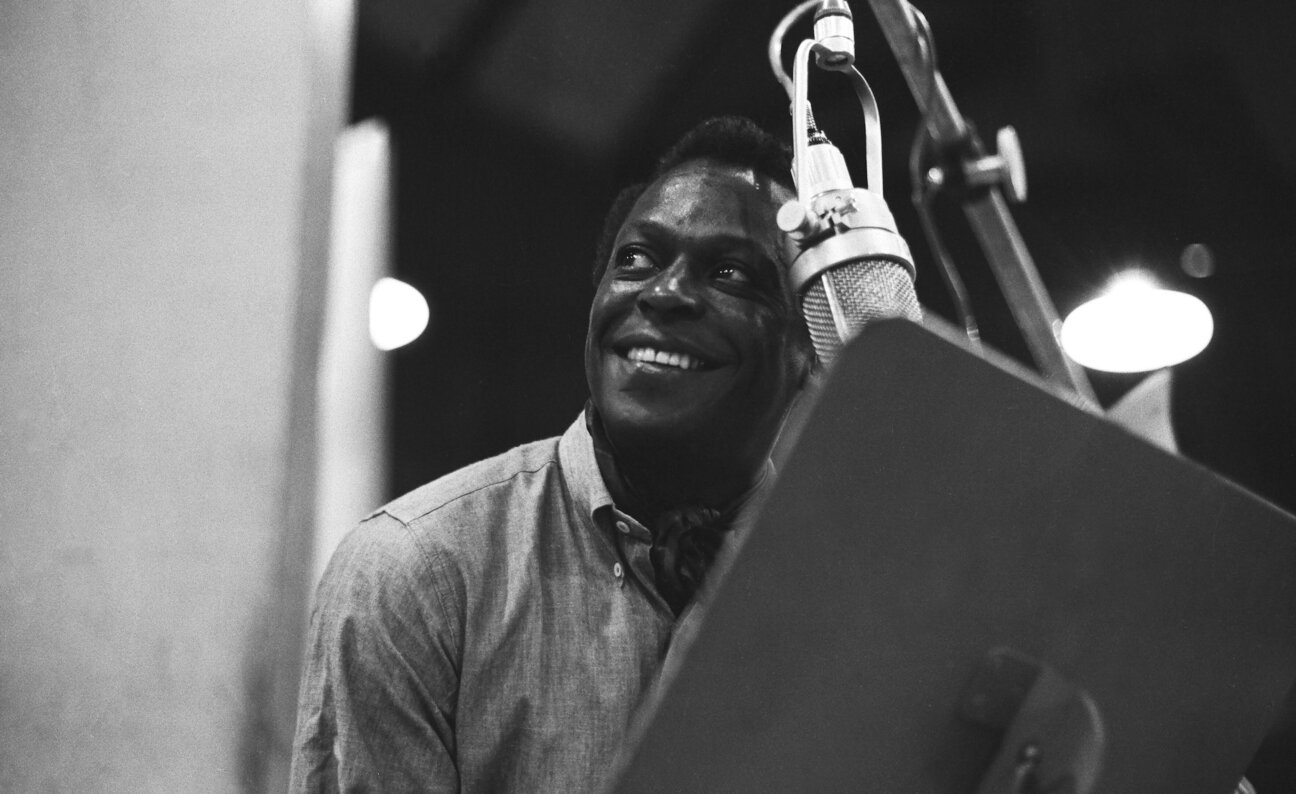
The New York-headquartered firm’s latest move sees it acquiring 90% of Miles Davis’ music publishing catalog ahead of what would have been the jazz legend’s 100th birthday in 2026.
As reported last month, the deal, valued at between $40-$60 million, encompasses Davis’ music publishing rights as well as the estate’s income from his recordings.
Crucially, Reservoir will also partner with the estate on name, image, and likeness opportunities – a structure that President Rell Lafargue describes as putting the company “100% squarely in the Miles Davis business”.
“We announced the deal a few weeks ago. We closed a few weeks before that,” Lafargue tells MBW. “What’s unique about it is the estate still has a small interest in this. We are actively working with them. They’re fantastic.”
The Miles Davis acquisition follows Reservoir’s expansion into recorded music through the purchase of Chrysalis Records in 2019 and the $100 million acquisition of Tommy Boy Records in 2021.
Those deals have fundamentally altered the company’s revenue composition, with recorded music now accounting for over 30% of Reservoir’s total revenues.
“What’s unique about it is the estate still has a small interest in this. We are actively working with them. They’re fantastic.”
Rell Lafargue, Reservoir
The company’s deal pipeline remains active. Having completed over 800 deals over the past 10 years, Lafargue reveals that Reservoir currently has “150 different deals that we’re looking at right now,” supported by an eight-person deal team in New York and a 15-person A&R team across Los Angeles, Nashville, London, and the Middle East.
Over the past 12 months, Reservoir has deployed approximately $150 million across acquisitions – a pace the company intends to maintain as it pursues what Lafargue describes as “a nice mix of recorded and publishing” opportunities, from single-song deals to full catalog acquisitions and potential record label purchases.
Here, Lafargue gives us an exclusive look at Reservoir’s Miles Davis deal, the company’s diversification strategy, and its ambitions for legacy catalog growth in the streaming era…
COULD YOU GIVE US AN OVERVIEW OF WHAT WAS INCLUDED IN THE MILES DAVIS DEAL?
People know us for acquiring [record labels like] Chrysalis Records or Tommy Boy Records, which was a $100 million deal. We’ve done master-related deals before. People also know us for acquiring publishing. We’ve been doing that for 18 years.
This Miles Davis deal is a little bit different. We actually have rights to all Miles Davis properties. I don’t want to call it a 360 deal because I think that’s sort of an old term, but we are absolutely engaged in all aspects of Miles Davis. What’s unique about it is that the estate still has a small interest.
“What’s unique about it is that the estate still has a small interest.”
However, we will be working with them on all aspects of Miles’ name and likeness, including his image. It’ll be really hard for anyone to see a silhouette of a trumpet player and not think of Miles Davis.
We also purchased all of the estate’s interest in the master recordings to the extent that the estate held the rights. Miles’ master recordings are owned and will continue to be distributed by Sony Music, Warner, and Concord. But to the extent that the estate had any rights, those are now held by Reservoir, and we have all of the Sound Exchange and neighboring rights that exist in those recordings.
As a publisher, we bought almost the entire catalog. Everything Miles wrote, we have effective control over how those recordings are used through our publishing rights.
IS THIS STRUCTURE – WHERE YOU HAVE THE OPPORTUNITY TO BE INVOLVED IN SO MANY DIFFERENT PARTS OF AN ARTIST’S BUSINESS AND ESTATE – A BLUEPRINT FOR FUTURE DEALS YOU’D LIKE TO DO?
Yes, we would always prefer to do this type of deal. I’d say over 90-95% of the time it’s not available. People are signed to record deals, and those rights can remain in place for a long time.
We may only have publishing to talk about. I’m not going to say we will exclusively pursue these deals going forward, but to the extent that we can enter into a business relationship with someone retaining all their rights, we always strive to do so, especially when they are an icon like Miles Davis.
“It always starts with the music. We’re not going to get into 360 deals just for the sake of it.”
This will be our preference to aim for these things. However, it must be an icon. It has to be incredible music. It always starts with the music. We’re not going to get into 360 deals just for the sake of it.
HOW DO YOU STRUCTURE PARTNERSHIPS LIKE THIS WITH MEMBERS OF AN ESTATE IN TERMS OF CREATIVE CONTROL AND APPROVAL PROCESSES FOR NEW PROJECTS?
Number one is just the integrity and respect for Miles the artist, the musician, the composer he was. It always starts with respect for history. To the extent we have approval rights, we share those together. It’s really just about partnership.
This deal was in the works for years. We got to know each other over time. David Hoffman is a fantastic A&R and marketing person here at Reservoir who really led this from Reservoir’s end.
“We have respect for artists and music first and foremost.”
He got to know the estate. We made sure we saw eye-to-eye on things. Eventually, by showing the way we approach things, how we think about things, and what our ideas were for Miles Davis, I’m sure they were speaking to everybody in the industry. Who would not want to get involved with Miles? They chose to be with Reservoir because of our vision. They recognized that we were aligned.
We have respect for artists and music first and foremost, and it’s also nice to do business with them afterward. They recognize that. We listen. We’re nimble and flexible. We’re not going to just say this is the way we’re going to do it. We will work closely with our partners to maintain a strong, mutually beneficial relationship.
YOU MENTIONED THIS DEAL WAS IN THE WORKS FOR YEARS. WHAT OPPORTUNITIES ARE YOU SEEING RIGHT NOW IN TERMS OF CATALOGS OR COMPANIES COMING TO MARKET?
At any given point in time, we may have $1 billion on our target list of deals that we’re considering. They come in all different shapes and sizes. We’re looking at a few single-song deals. We’re looking at big catalog deals. We’re looking at record labels. We’re looking at publishing catalogs.
“At any given point in time, we may have $1 billion on our target list of deals that we’re considering.”
Something like this doesn’t come around often. Reservoir has been lucky to get into business with Joni Mitchell. We’ve been lucky to get into business with Snoop Dogg and Death Row recently. And an icon like Miles Davis? That doesn’t come along often.
Anytime there’s an opportunity to meet someone, even if it’s not a deal, we want to meet. We want to talk about music. We want to see if we can become aligned, and eventually someone may decide it’s time to make a move like this one.
HOW LONG DO THESE DEALS TYPICALLY TAKE TO CLOSE?
Some do take years. We are probably looking at around 150 different deals right now. We’re a publicly traded company, so you can see what we’ve invested in. We’ve completed approximately $150 million in deals over the past twelve months. That gives you an idea of the volume.
THE NEW YORK TIMES REPORTED THE DEAL FALLS WITHIN RESERVOIR’S $40-60 MILLION ‘SWEET SPOT’ RANGE. WHY IS THAT RANGE SPECIFICALLY A ‘SWEET SPOT’ FOR RESERVOIR?
The reason that’s a sweet spot is that Reservoir is big enough to be a global player. We do a lot of smaller deals, with a lot of volume. However, when we have something in the $40-60 million range, it’s substantial enough to have a profoundly positive impact and potentially lead us into a new line of business.
“Those two deals really changed the composition of Reservoir and diversified us, bringing exposure to the recorded music line.”
For example, when we acquired Chrysalis Records, it was a turnkey solution that instantly transformed us into a record label, as it had the scale, size, personnel, and footprint necessary to become something truly significant and put us on the map. When we acquired Tommy Boy, it added another significant asset that really moved the needle. Suddenly, over 30% of our revenue came from recorded music. Those two deals really changed the composition of Reservoir and diversified us, bringing exposure to the recorded music line.
WHAT MADE THE MILES DAVIS CATALOG SPECIFICALLY WORTH THAT INVESTMENT?
There’s a half-century career of music-making that comes into the deal. This is vintage music that has been around for a long time and remains incredibly consistent year after year. Typically, an iconic catalog commands a higher multiple. When you add all the recording royalties that come into this, that might double the yearly net income. When you put a multiple on top of that, that’s how you’re going to get to something in that neighborhood of price.
It’s really about the consistency of earnings of this catalog that’s been doing great business for all these years. Now our work starts. We want to bring this catalog to a whole new group of people who are even younger, who don’t realize that Miles Davis is the definition of cool. The hard work begins now to reach new people who aren’t listening. That’s when we can tap into all these new streaming markets and users to capitalize on the opportunities and drive growth.
LOOKING AT STREAMING STATS ON A GENRE BASIS, JAZZ CATALOGS TRADITIONALLY GENERATE LOWER STREAMING NUMBERS THAN CLASSIC ROCK OR POP ACTS. WHERE DO YOU SEE THE BIGGEST COMMERCIAL OPPORTUNITIES?
Just because jazz doesn’t stream as much as TikTok pop – to me that’s an opportunity for growth. That means there’s a whole generation of people who maybe don’t even know about Miles Davis. That’s our target.
“Just because jazz doesn’t stream as much as TikTok pop – to me that’s an opportunity for growth.”
Yes, Miles Davis sells a ton of vinyl. People buy Miles Davis CDs. Those have historically been the demographics that have consumed jazz. But if you look at other legacy artists – if you look at Joni Mitchell’s Spotify numbers, streaming numbers on Joni are surprisingly very strong for people under 35 years old. She’s name-checked by every young artist that exists. She’s grown her streaming numbers through these younger listeners.
That’s our goal with all these iconic catalogs that aren’t necessarily where we think they should be on streaming. Our job now is to get the younger streaming listeners to find Miles and listen to Miles, through different marketing efforts, biopics, different films that are in the works, through live music and symphonic tours.
ON THE NAME, IMAGE, AND LIKENESS RIGHTS – WHAT OPPORTUNITIES DO YOU SEE IN EXPERIENTIAL EVENTS?
Much of this was initiated by the estate, some by us, and now we’re collaborating on these projects together. There are exciting things I can’t mention because they’re not announced yet, but there are some things we can discuss.
We’ve invested in an immersive events company called Lightroom, which is in London. We are actively working on a Miles Davis project with Lightroom that’s already in development. The estate has done immersive dining experiences with Miles Davis’ music.
Celebrating his 100th Centennial, we want to bring Miles everywhere. We’re really open to everything. Having the name and likeness relationship with the estate really puts us in a better position.
GENERALLY SPEAKING, IS THERE MORE OPPORTUNITY IN THE MARKET RIGHT NOW IN MASTERS OR PUBLISHING?
There’s a nice mix of recorded and publishing, including various types of publishing, as well as some writer share sales and publishing rights sales. There are companies that are for sale. Generally, our mix of deal flow will always reflect our mix of revenue streams. So I would say it’s maybe a 65-35 mix of publishing to recorded.
HOW ARE YOU BUILDING OUT YOUR FRONTLINE RECORDED MUSIC BUSINESS?
On the recorded business, we have Chrysalis and Tommy Boy, but we also have other record labels. We recently did a deal with Fool’s Gold. We recently launched Off Road Records in Nashville, which is now signing artists. We now have frontline artist deals in our deal flow; artists that we’re looking to break. While it’s recorded music, it’s not necessarily a typical catalog. We’re signing frontline, we’re buying record labels. It’s really all types.
Our deal flow is going to continue to follow how our revenue pattern is, which is mostly publishing and then to a lesser extent, recorded music.
WHAT ARE YOUR AMBITIONS FOR THE MILES DAVIS CATALOG OVER THE COMING MONTHS AND YEARS?
We’re currently focused on Miles and working with the estate. We just want to celebrate Miles. We’re exploring every single opportunity across every vertical and different branding options. We have movies, and there are ads on the table. We’re really open to everything. That’s a great opportunity for Reservoir to get involved with all our partners and re-engage to celebrate Miles.
As for Reservoir, it’ll simply be more of the same from us; continuing to explore deals across publishing, recorded music, and opportunities like this, where we can truly get involved in all aspects of an iconic artist’s legacy.