Trailblazers is an MBW interview series that spotlights independent music entrepreneurs making waves – and building meaningful companies. Trailblazers is supported by TuneCore.
Loud And Live CEO Nelson Albareda is a Grammy and Latin Grammy-winning producer. But the business he’s built is less about making music than building the business around it.
Founded in 2017, Loud And Live has grown into one of the most diversified players in Latin live entertainment: touring, festivals, brand partnerships, owned IP events, and now venue ownership. The company has staged more than 400 shows a year across North and Latin America, for artists including Ricardo Arjona, Juan Luis Guerra, Carlos Vives, Alejandro Sanz, Farruko and Becky G.
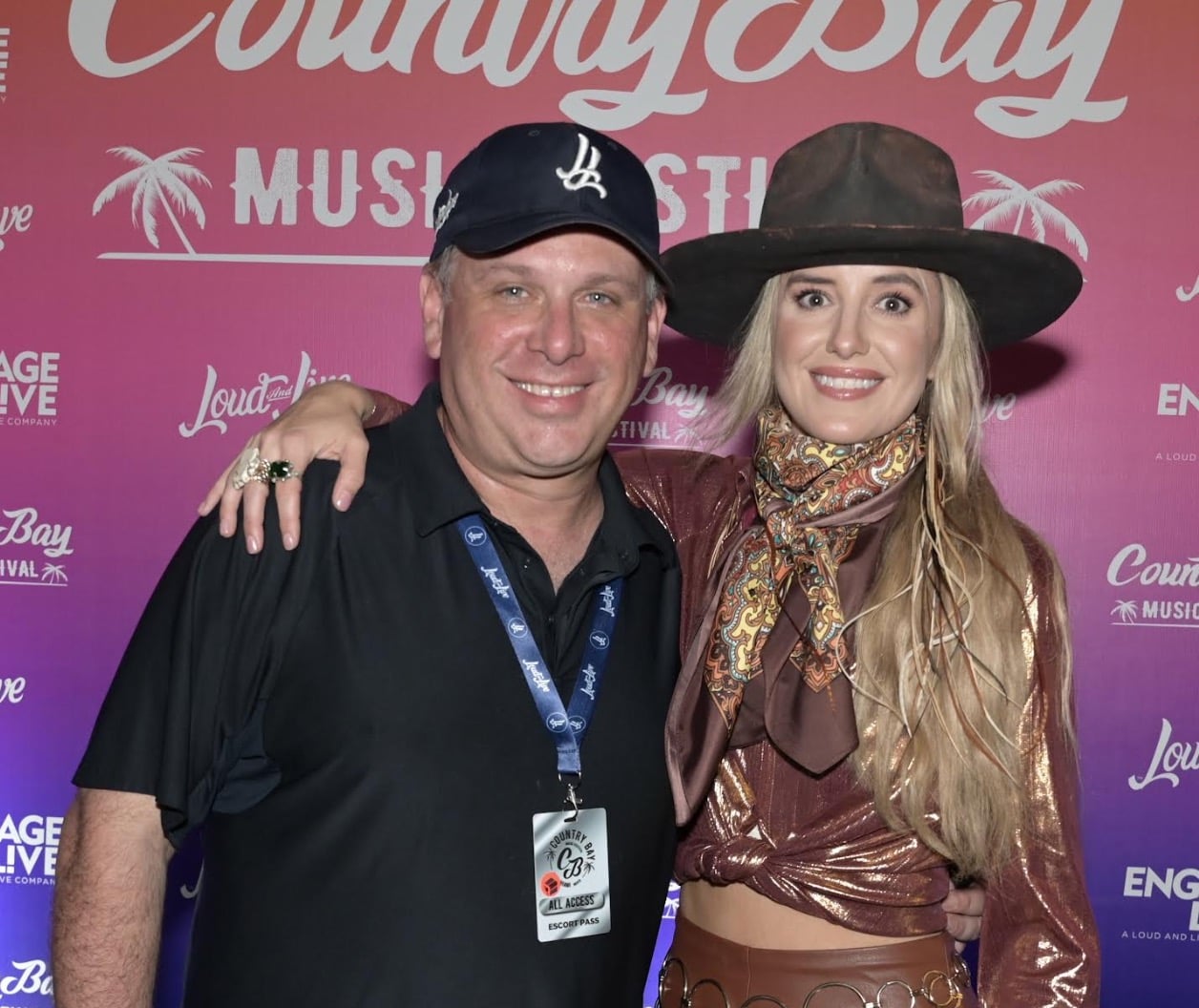
Brand partners include McDonald’s, New Balance, and Royal Caribbean, while its owned IP spans Christmas Wonderland, House of Horror Haunted Carnival, and the fitness festival Wodapalooza. It now operates the Doral Amphitheater and the Tropical Park Equestrian Center in Miami, and has pushed beyond Latin music entirely with the Country Bay Music Festival, headlined by the likes of Thomas Rhett, Carrie Underwood and Lainey Wilson, which ran from 2023-24. Albareda hopes to reboot the event next year.
“We have plans to bring back Country Bay Music Festival in 2027, reimagined and at a new venue that we are working on,” says Albareda. “Additionally, we continue to evolve Miami-Dade CountryFest and are looking to expand our portfolio of events to include more country music and lifestyle events, including rodeo.”
None of it is new territory for Albareda. The Cuban-American entrepreneur built and sold Eventus Marketing, once the largest multicultural marketing company in the US, to Apax Partners in 2013. Billboard named him Latin Power Player – Executive Of The Year in 2023, and he’s got the trophy case to match: a Grammy for Best Tropical Latin Album, won as a producer on Cachao‘s The Last Mambo, plus several Latin Grammys alongside it.
“My relationship with the Latin Grammys and the Recording Academy goes back to 2002,” says Albareda. “I’ve produced Latin Grammy Street Parties, the Road to Latin Grammys festivals, and Latin Grammy acoustic sessions, plus Person of the Year honors for Gilberto Gil and Gloria Estefan. I’m also a member of the Academy.
“Through the Latin Grammy Cultural Foundation, which helps students pursue music careers, we made a $1 million donation through our foundation to provide scholarships to kids who wouldn’t typically be able to attend schools like Berklee or Juilliard. Empowering the next generation in this industry matters to us.”
Here, Albareda gives his take on why an independent promoter can still compete with Live Nation and AEG, why the streaming-to-touring pipeline is less reliable than people assume, and why loyalty — not competition — is the thing he’d fix about the music industry…
IT’S COMING UP TO 10 YEARS OF LOUD AND LIVE. WHAT WAS THE VISION AT THE START?
The plan was always to grow Loud And Live to where it’s at today. I think we’re a little unique in that we’re on the entertainment and events side, and also on the brand side. We work with brands like General Mills, New Balance, McDonald’s, Boston Beer — Twisted Tea — Royal Caribbean. That side of the business, which we call converting culture into commerce, has really taken off over the last four years, as we continue to help these brands turn on to culture — whether it’s music, which is how we started, but also sports, anime, any passion point — through content, creators and brand partnerships.
On the entertainment side, which is where we started, I had a non-compete from a previous company I’d exited, and then we got hit with the pandemic right as we launched. That forced a lot of issues, but it helped us evolve into creating content, which is when we launched our content division.
We’re in a good spot now — our marketing and brand sides operate not only in the US but Puerto Rico and across Latam, and we’ve evolved our events business too. In addition to the concerts we produce, we own a big Christmas event called Christmas Wonderland — similar to Hyde Park in London, though not on that scale — and a big Halloween event called the House of Horror Haunted Carnival.
We also got into the venue business — we now have two venues in Miami: an amphitheater called the Doral Amphitheater, which is about 4,800 capacity, and Tropical Park, about 50 acres, an event and equestrian complex we’ve transformed into a venue for events. I think we’re in a good spot because we’re diversified — all these verticals help each other.
WHY WAS VENUE MANAGEMENT THE RIGHT NEXT STEP?
While we’re a global company, Miami is our home, and it’s growing as a major metropolitan market with a big impact on culture, so it made sense. Some of our senior execs came from the venue world, too, which helped. By the way, we operate and manage those venues under long-term agreements — they’re both municipally owned, by the City of Doral and Miami-Dade County. We’re not currently looking to expand our venues outside of Florida.
WHICH PART OF THE BUSINESS IS MAKING THE MOST MONEY RIGHT NOW?
We’re pretty balanced. All our divisions run separately and are all profitable — I couldn’t tell you one outperforms the other. The flywheel of festivals, brands and IP like Christmas, alongside brands and touring, is what drives profitability across the enterprise.
WHY HAVE BRAND PARTNERSHIPS BECOME SUCH A CENTRAL PART OF THE MUSIC OFFERING?
The way consumers today identify with brands has to be authentic. That extends to artists and brands in the music space — they don’t want to partner just to partner. Consumers want authenticity, brands want authenticity, artists want authenticity, and our job is finding those synergies. I don’t see that changing. The same goes for live experiences — a concert, a festival, brand engagement with consumers — technology isn’t going to change people’s desire for that.
YOU’VE SAID YOU DON’T WANT LOUD AND LIVE “PIGEONHOLED” AS A LATIN COMPANY. DO YOU THINK YOU’VE ACHIEVED THAT?
Yes — specifically on the brand side. With Walmart, for example, a big client of ours, most of the work we do is general market, not Hispanic-specific.
On the IP side, Halloween and Christmas aren’t necessarily Hispanic properties either. On the touring side, we’ve done other genres like country, but our niche is still Latin — and I think that’s our advantage against other promoters, most of whom want to move into marketing and brands. We came from the brand marketing side into entertainment, so the marketing we put behind artists and tours, specifically in Latin, is our competitive advantage.
LATIN MUSIC IS BOOMING GLOBALLY — IS THE MARKET STILL A GROWTH STORY OR IS IT APPROACHING MATURITY?
There’s still a growth opportunity. Latin music has been growing for 30 years, and now it’s gone mainstream with the Bad Bunnys and Karol Gs of the world. But I think this is just the beginning — we’ll see more artists now that it’s opened up.
“There’s still a growth opportunity. Latin music has been growing for 30 years, and now it’s gone mainstream with the Bad Bunnys and Karol Gs of the world. But I think this is just the beginning.”
In the ’70s, ’80s and ’90s, between rock and hip-hop, people in non-English-speaking countries were singing in English — French artists, Asian artists. There’s no reason that can’t happen in reverse, and Bad Bunny is a good example: it doesn’t matter where people are, they’re consuming Latin music.
I think the industry itself will evolve — more quality business managers, more quality management, more infrastructure to help these artists reach the next level.
YOU RECENTLY SAID THAT MORE LATIN HITS ARE NOW BEING BORN IN LATIN AMERICA RATHER THAN THE US. WHAT’S CHANGED STRUCTURALLY TO MAKE THAT POSSIBLE?
The digital world has changed the dynamic. Music is now being created everywhere, not just in the US. With digital platforms, music can be created and developed anywhere. That is the main difference.
COUNTRY BAY TOOK YOU INTO A GENRE WITH NO LATIN CONNECTION AT ALL. WHAT DID YOU LEARN FROM THAT EXPERIENCE?
We can do any genre. It’s more a question of company strategy and focus. We do shows all over the world, primarily Latin America and the Caribbean, some in Europe. In the US, which is our core market, we’re really the largest and only independent promoter — CMN [Cárdenas Marketing Network] got acquired by AEG, so it’s AEG, Live Nation and us. That’s good, because we’re more boutique. Bad, because we’re competing against two giants. But the service we give artists is very different from an AEG or a Live Nation.
LIVE NATION, AEG AND OTHER MAJOR PLAYERS ARE BECOMING INCREASINGLY ACTIVE IN LATIN MUSIC. HOW DOES AN INDEPENDENT COMPETE WITH THAT SCALE AND CAPITAL?
We’ve expanded into doing global offers, so we’re not pigeonholed to one market. We’ve also learned to tell artists to go with Live Nation or AEG when it makes sense — two years ago we pivoted to being selective about who we work with.
What I’ve seen is artists who went to work with them coming back to us, because at the end of the day the marketing, and how you treat the artist — that white-glove service, taking care of them from A to Z — is our real proposition. Some artists want to work with Live Nation and AEG, and that’s fine. Others want that boutique feeling, that promoter instinct, not a machine.
DO YOU EXPECT FURTHER CONSOLIDATION IN THE MARKET?
I do. There will be other players that bring different things to the table. Our platform is unique, but to grow, I’m sure there are players out there with the capital to keep consolidating and build true 360 or synergistic models — festivals, brands, live touring, one feeding the other.
Owning your IP — not just festivals like Coachella, but immersive and experiential work, converting culture into commerce — I think there will be consolidation, and new players emerging who bring these pieces together.
WILL LOUD AND LIVE REMAIN INDEPENDENT?
Yes. As long as it remains strategic, we will continue to look at options that help us grow.
IS THERE AN ACQUISITION IN YOUR FUTURE, OR ARE YOU BUILDING EVERYTHING ORGANICALLY?
We’re currently looking at acquisitions or partnerships to grow in other markets and build out our IP. Our focus has been organic growth of the platform first, so that we’re positioned to do that.
WHAT’S HAPPENED TO THE ECONOMICS OF LATIN TOURING OVER THE PAST FEW YEARS — GUARANTEES, TICKET PRICES, PRODUCTION COSTS, PROMOTER MARGINS?
It’s industry-wide — artists want more money every year. The only way a promoter can give more is by raising ticket prices, and we’ve been telling artists: this is what the market can take. We’ve been selective — if an offer doesn’t work because of what it would mean for tickets, we won’t do it, and that’s had good results.
“We’re not here to buy market share; we’re here to help artists, so everybody wins.”
We’re not here to buy market share; we’re here to help artists, so everybody wins. If the promoter doesn’t win, the artist doesn’t win, and vice versa. We’ve turned down offers and told artists we can’t make the numbers work. Right now we’re working on a huge deal and going back and forth on exactly that.
Post-pandemic, this has leveled off, and people are being more selective about where they spend, buying last-minute — so we push pricing diversity, different price levels, so it’s accessible to everyone.
HOW MUCH HAS LAST-MINUTE BUYING CHANGED SINCE THE PANDEMIC — AND WHAT ARE YOU SEEING ACROSS YOUR SHOWS?
Before the pandemic, people bought closer to the show date — I think that’s gone even further now. We’re seeing a lot of last-minute ticket buying across our shows, a real spike two weeks out and even the week of the show. I think it’s both economic factors and changing buying habits.
STREAMING CAN GIVE ARTISTS A GLOBAL AUDIENCE VERY QUICKLY. HOW DO YOU WORK OUT WHETHER THAT AUDIENCE WILL ACTUALLY SHOW UP IN A VENUE?
It’s an important factor, but not the only one. Some artists stream and don’t sell tickets; others sell tickets without big streaming numbers. We’re seeing more people consuming content from all over the world — we’re touring a group called Hablando Huevadas, comedian YouTubers from Peru.
There’s a Peruvian population in the US, but not huge. We booked them for the first time two years ago — they’d never played the US and sold out Madison Square Garden within hours. We just put a new tour on sale, sold out, added dates. These are guys I never would have thought would sell tickets like that. That’s where we come in — being selective and taking risks on artists nobody else would.
WHAT DOES THE WIDER GLOBAL MUSIC BUSINESS STILL FUNDAMENTALLY MISUNDERSTAND ABOUT THE LATIN MARKET?
The Latin market isn’t one market. It’s like assuming British and American audiences are the same because they both speak English — we don’t consume the same way. Latin music covers 30-plus countries — Puerto Rico, Colombia, El Salvador, Mexico — and good marketing understands that speaking Spanish isn’t enough.
Yes, you get global phenomena, but there are also niche artists who work well in specific pockets. In Madrid, for example, there’s a heavy Venezuelan population, but a Guatemalan act might not do as well there. It’s not one-size-fits-all.
WHICH TOURING MARKETS DO YOU FEEL ARE UNDERDEVELOPED, WITH THE MOST POTENTIAL TO GROW?
We’re seeing quality venues emerge across Latin America. Colombia had one arena — now they’re adding another, and a new one is launching in Medellín. Peru, Ecuador, Chile — all these markets are growing, and even Colombia still has room. I think all of Latin America has a lot of growth potential left.
IF YOU COULD CHANGE ONE THING ABOUT THE MUSIC INDUSTRY, WHAT WOULD IT BE AND WHY?
Loyalty. Artists and managers have forgotten how to be loyal to each other — even to promoters. We’ve broken artists, and then they just go for the money. The other thing I’d change, specifically in Latin, is that we don’t have enough good managers or business managers. There’s a lot of good talent, but not enough management infrastructure around it.
IS THAT SOMEWHERE YOU’RE TRYING TO MAKE A POSITIVE IMPACT?
I try to mentor new, younger generations. It’s a tough business, and we need to mentor and create new executives who can grow and take it forward. But there’s not enough of that happening.
WHAT’S THE STRATEGY FOR THE NEXT FIVE YEARS?
I want Loud And Live to continue growing our brand side and expanding outside the US, in Latin America and Puerto Rico, as we’re doing now. I want to expand our portfolio of IP so we eventually have multiple event brands across different spaces — luxury, Christmas.
Imagine doing Christmas in 10 markets, Halloween in 10 markets, and continuing to build a strong business. We’ve had a great run, and now we’re ready to expand our brand, festivals and IP in the US and globally. When you control your IP, you control your destiny.
DO YOU HAVE ANY CONCERNS ABOUT THE BUSINESS AND THE WAY IT’S HEADING?
No, honestly — we’re excited. I don’t have concerns. We’re in the right space, with the right people and the right focus. Consolidation is part of a cycle, and I believe other companies like us will continue to emerge and bring diversity to the music business.