MBW’s World Leaders is a regular series in which we turn the spotlight toward some of the most influential industry figures overseeing key international markets. In this feature, we speak to Pico Cibelli, President of Warner Music Italy. World Leaders is supported by SoundExchange.

Pico Cibelli’s life in music started in the most appropriate place imaginable: a record store named after him.
“Music has been part of my life since the very beginning. I literally grew up in my family’s record store, named after me, Pico Disco, which, looking back, feels almost prophetic,” the President of Warner Music Italy tells MBW.
Cibelli has overseen significant growth at WMI since taking charge of the company at the end of 2022. He tells us that WM Italy’s annual revenue has increased by over 60%, with weekly streams by WM Italy-signed artists rising by more than 80 million.
“Today, Warner Music is without a doubt one of the most attractive hubs for artists and the wider creative community in Italy,” claims Cibelli. “We’re not just a label, we’re a place where artistic visions are nurtured, challenged, and brought to life.”
Cibelli tells us that the company’s momentum has been driven by strategic signings and team restructuring.
He’s brought in artists like Geolier, who in 2024 became the first artist in Spotify Italy’s history to claim all three of the top year-end honors: most-streamed artist (1.4 billion streams), most-streamed album, and most-streamed track.
Other recent signings include Angelina Mango, Coez, Fedez, Frah Quintale, MACE, Rose Villian, Takagi & Ketra, and The Kolors.
The company, which is celebrating its 50th anniversary in the market this year, also announced a major restructuring of its frontline operations last week with the launch of two new flagship labels: Warner Records Italy and Atlantic Records Italy.
“These changes,” according to Cibelli, “will set up WM Italy for its next chapter.” Atlantic Records Italy will be led by Label Director Marco Masoli, with Eleonora Rubini appointed Label Director of Warner Records Italy in the market.
“By dividing into two powerhouse teams — each with its own clear identity, strategy, and spirit — we’re positioning ourselves to move faster, think bolder, and support our artists with greater creativity and precision,” says Cibelli.
“The Italian market is in constant evolution.”
Pico Cibelli
Italy, Europe’s third-largest music market, cuts a striking figure in the global recorded music business. While some major recorded music markets, like the US and India, have seen a slowdown in revenue growth recently, Italy continues to surge.
The market’s recorded music trade turnover rose 9.7% YoY to €208.1 million in H1 2025, with paid streaming subscriptions jumping 12.7% YoY in the first half of 2025 as local acts dominated the charts.
Commenting on the state of the industry, Warner’s Cibelli tells us that “The Italian market is in constant evolution”.
He adds: “We operate in a context where urban music remains the cultural and commercial core, and yet we’re seeing a clear revival of pop, with more and more tracks from that world gaining traction on the charts. It’s a sign that the market is broadening, with different styles coexisting and speaking to increasingly diverse audiences.
“Another key trend is the longer lifespan of hit songs. Tracks are sticking around much longer than they used to, which signals a more engaged and intentional kind of listening. Italy continues to be a domestic-centric market, and two seasonal moments shape the landscape: Summer and Sanremo.”
Cibelli explains that a notable milestone for the company was its performance at the 2024 Sanremo Festival, the winner of which is invited to represent Italy at the Eurovision Song Contest.
For the first time in the festival’s history, all Top 5 finalists were signed to Warner Music.
WMI secured 13 of 27 places in the established artist category, with Angelina Mango becoming the first Warner artist to win the main category since 2014, going on to compete at Eurovision.
Prior to joining Warner, Cibelli spent 11 years at Sony Music, where he signed and developed Måneskin during their journey from X Factor auditions to global success.
“The moment they walked into the room, we immediately felt something special,” Cibelli recalls of that first 2017 audition. “I still remember that after they finished playing, [their now-manager] Fabrizio Ferraguzzo and I hugged each other and celebrated like Italy had just won the World Cup Final.”
With Italian-language music experiencing growth in international markets, exemplified by The Kolors’ Italodisco earning double diamond certification in Poland, Cibelli is positioning Warner Music Italy to support Italian artists to become global stars.
Here, Cibelli discusses his transformation of Warner Music Italy, the global potential of Italian music, and more…
How is Warner Music Italy positioned in the market today?
Warner Music Italy is experiencing a truly remarkable moment. After a few challenging years, we’ve made a strong comeback and today, we’re once again a successful and dynamic company, thanks to the incredible work of our team.
Since December 2022, we’ve seen exceptional growth. If you look at our revenue, we’re talking about an increase of over 60% – a staggering number that reflects real momentum in the market.
This growth is mirrored in our streaming performance: our share [of the Top 200 singles on Spotify in Italy] has grown by 4.5%, which translates to an increase of over 80 million weekly streams.
We’ve seen similar surges on other platforms, with our share on Amazon Music up by 5.9% and on Apple Music by 4.3%. This momentum is reflected in our overall streaming market share, which stood at a really strong figure for the first quarter of 2025 – we’ve achieved continued year-on-year growth.
This success is driven first and foremost by our artists and their music, and also by the team we’ve built—a mix of experienced professionals, emerging talents, and young people full of fresh ideas. It’s a group made up of passionate, dedicated individuals who truly live and breathe music.
Looking ahead, our top commitment is to keep developing and growing our artists, supporting them in building long-lasting careers with global ambition. At the same time, we’re investing in our catalog, both the incredible repertoire we already manage and the catalogs we’re acquiring and plan to acquire. We believe heritage and innovation can, and must, go hand in hand.
Why has WM Italy launched the two new frontline labels, and what are your ambitions for Warner Records and Atlantic Records Italy over the next 12 months?
Over the past three years, our structure has grown tremendously — in size, in ambition, and in the strength of our roster and team. We’ve reached a pivotal moment in our evolution, and it’s the right time to take the next step forward.
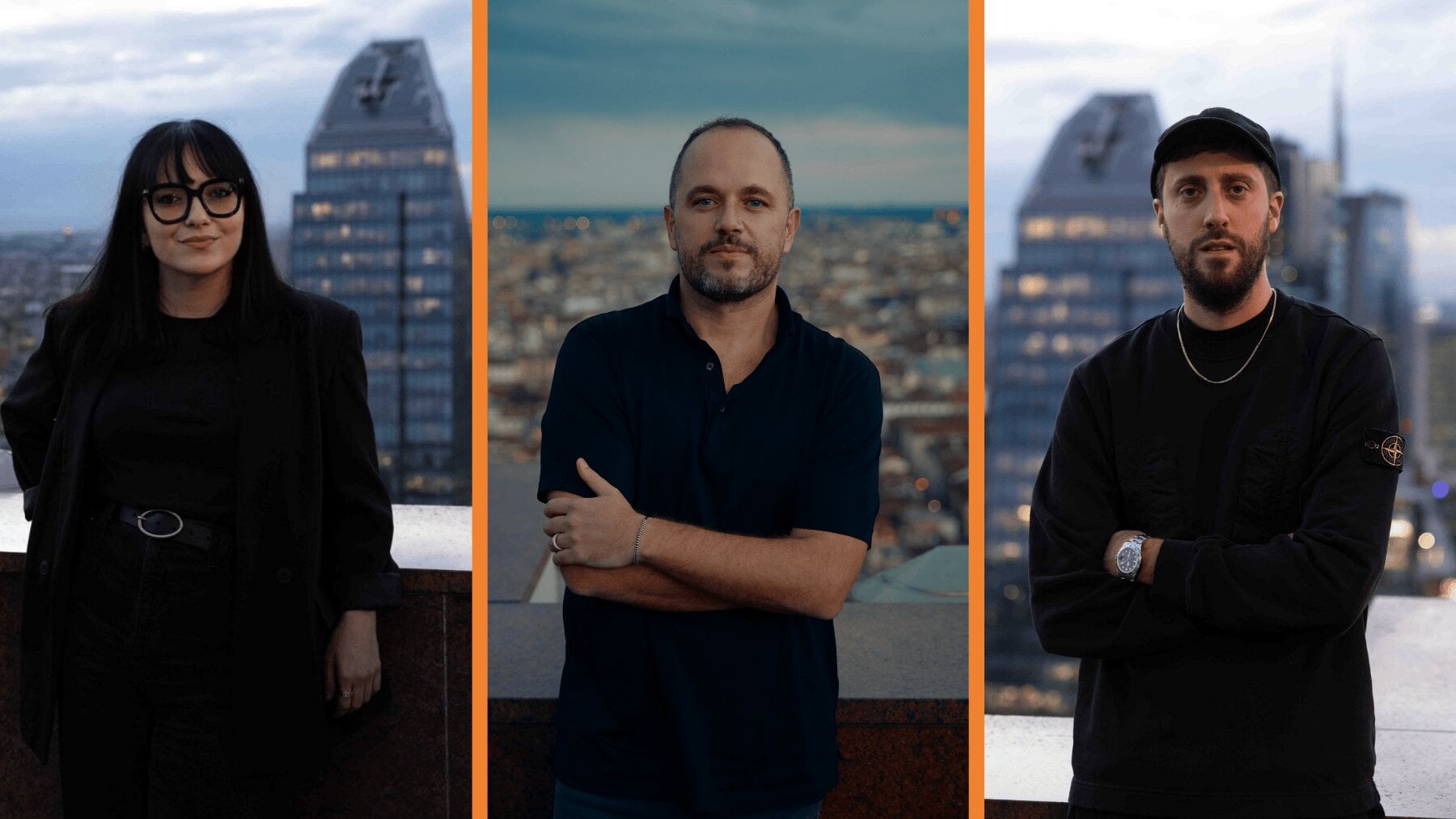
We’ve decided to invest even further in our artists and the creative community by developing two distinct labels within Warner Music Italy. This move allows us to sharpen our focus, expand our range of services, and give even more dedicated attention to our artists, managers, and partners who have chosen to trust us with their vision.
Our mission remains the same: to empower the best talent in Italy and beyond, to innovate in how music connects with audiences, and to continue shaping the future of our industry. This isn’t just evolution — it’s our promise to keep growing, striving for excellence, and celebrating the incredible artists who make it all matter.
What trends are you seeing in the market that we should know about, and what specific metrics have surprised you most about Italian music consumption?
Italy continues to be a domestic-centric market, and two seasonal moments shape the landscape: Summer and Sanremo.
The impact of these moments on streaming is undeniable.
The Sanremo festival, the competition usually held in February whose winner is invited to represent Italy at Eurovision, continues to be a massive driver.
In the week of the 2024 festival, it generated 66 million streams for us, and in 2025, another 48 million. This success translates directly to our artists and provides a massive boost for our catalog – artists such as Ghali saw a 191% increase in streams, followed by Loredana Bertè (73%), Il Tre (58%), Annalisa (52%), and Irama (41%), while Angelina Mango’s cover of La Rondine drove a 298% increase for Mango’s catalog.
These moments also lead to historic market share peaks. During the week of Sanremo 2024, we hit 44.59% of the Spotify Top 200 and our absolute peak came in May, when the release of Capo Plaza’s album, combined with the long tail of Sanremo, brought our share [of Spotify’s Top 200 in the market] to an incredible 47.75%.
Summer has always been another key time for releases in Italy and this year our presence was very strong. In July, we had 75 songs in the Spotify Top 200 chart, breaking our previous records. And in September we broke the record on Apple Music with 77 songs in the Top 200 Chart
“At WMG, our goal isn’t just to chase hits or short-term wins. We’re focused on building long-term careers and durable fanbases.”
We’re also seeing the increased relevance of catalog, including dance music, reflecting how the audience for that genre is maturing and how older fans are signing up to music streaming services.
There’s also a notable shift toward more conscious and premium music consumption, especially among younger listeners, who are more selective and loyal in how they engage with music.
What continues to surprise us is the depth of opportunity still available. The market is growing, yes—but we still see huge potential, because there is a clear opportunity to accelerate the adoption of premium subscriptions. [We’ve seen] some good signs [on that front] in the last few months.
At WMG, our goal isn’t just to chase hits or short-term wins. We’re focused on building long-term careers and durable fanbases. Artists are at the center of everything we do, and that means supporting them consistently, even when they’re not releasing music. Longevity requires daily work, trust, and vision.
You were responsible for signing Måneskin at Sony, and now you’ve developed Geolier into Italy’s most-streamed artist in 2024. What’s your philosophy when it comes to identifying and developing talent?
It all starts with the music, of course, but also with the strength, vision, and personality of the artist in front of me. I always ask myself: how focused are they? How ready are they? Not just creatively, but emotionally and mentally, for the kind of journey a career in music requires?
We invest heavily in research and development, both musically and strategically. The goal is to help shape a clear identity – one that resonates deeply with an audience and can build a real, lasting fanbase. We pay close attention to timing, analyzing data and market trends, but we never lose sight of human instinct. That gut feeling is often what makes the difference between a good decision and a great one.
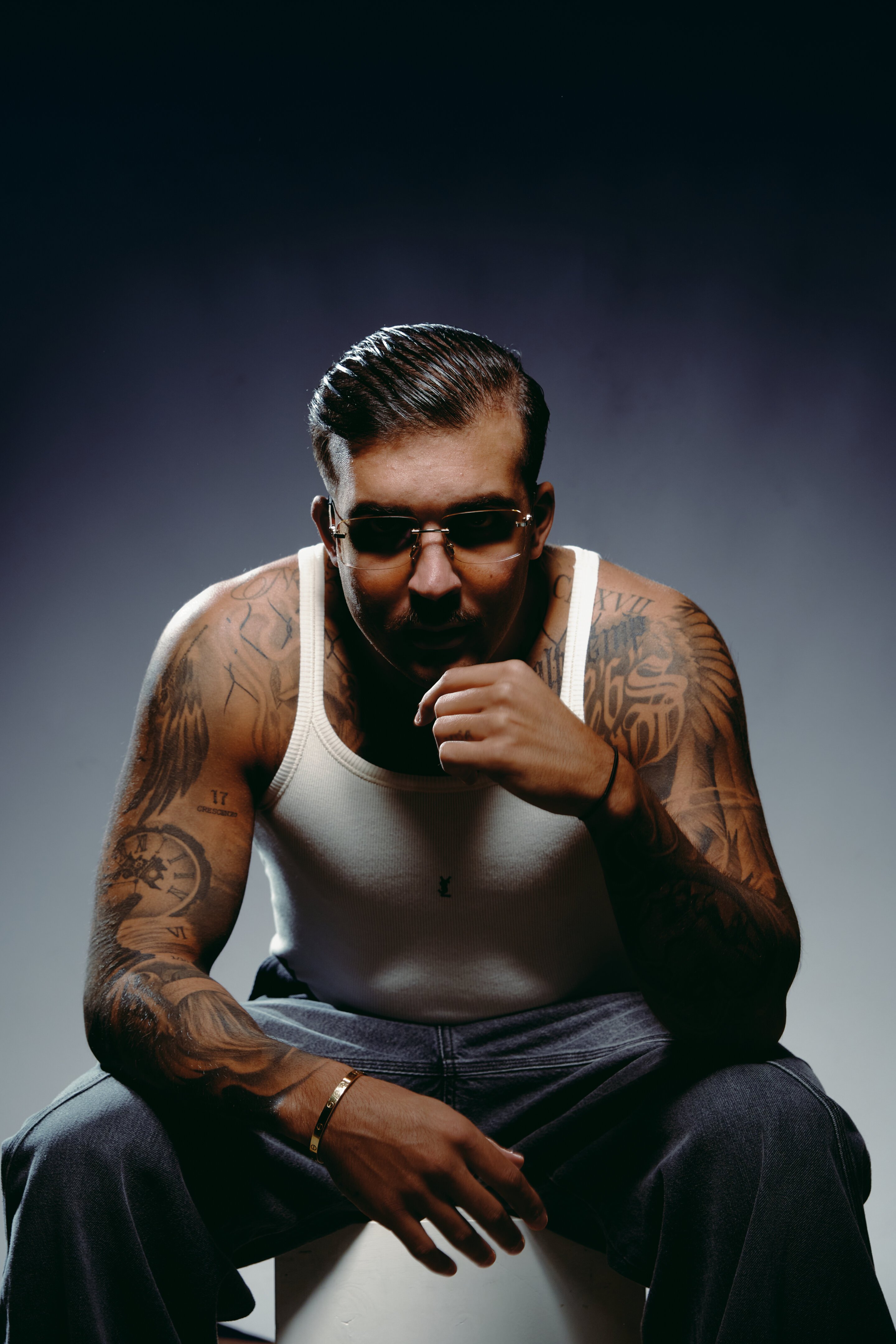
I’m struck by many things when I meet an artist, but I’ll give you an example that still gives me chills. The first time I saw Måneskin live was in 2017 during their auditions for our version of X Factor, in a small rehearsal room in Milan. The moment they walked into the room, we immediately felt something special. They were completely unique, already a real band, but with standout potential in every single member. They looked amazing, had charisma, and played incredibly well for their age.
The audition was electric. I still remember that after they finished playing, Fabrizio Ferraguzzo (now their manager and producer) and I hugged each other and celebrated like Italy had just won the World Cup Final. It was that powerful.
Damiano, the lead singer, was absolutely unique. His vocal tone was incredible, and from my point of view, that’s often what sets an artist apart, regardless of genre. The personality of the voice makes all the difference.
When it comes to rappers, tone is important too, but writing is everything. Take Geolier: he’s a phenomenon. His sense of melody is extraordinary, and his poetic force hits you in the gut. He’s turned the Neapolitan dialect, once considered niche, into something universal and deeply musical.
What role is Warner Music Italy playing in the global growth of Italian-language music, and which territories show the most promise for Italian artists?
Italy has historically struggled with the language barrier when it comes to exporting music, but we’ve started to see that narrative shift in recent years. At Warner Music Italy, we’re playing an active role in this evolution, working closely with our international teams and artist development structures to help bring Italian music to new audiences.
The Latin territories, especially Spain and Latin America, along with GSA countries (Germany, Switzerland, Austria) and parts of Eastern Europe, are proving to be fertile ground. These regions are not only culturally open, but also particularly receptive to dance and pop-dance — genres where Italy has a long and proud tradition.
“Italy has historically struggled with the language barrier when it comes to exporting music, but we’ve started to see that narrative shift in recent years.”
Beyond the unique global success of Laura Pausini over the past 30 years, we’re now witnessing new cases that prove Italian-language music can travel. Look at The Kolors’ Italodisco, which earned a 2 x diamond certification in Poland, and went platinum in Switzerland, Austria, and Slovakia, with more than 40% of the song’s total streams generated outside Italy.
We’ve also seen Baby Gang gaining international success with his track Mentalitè. And of course, Angelina Mango’s La Noia was the most-streamed entry of Eurovision 2024, going viral in 26 countries. Not to mention Annalisa’s success, which was so extraordinary in Italy that it gained international attention, earning her the Special Award for ‘European Phenomenon of the Year’ at the Los40 Music Awards in Barcelona.
Also, Italy has historically been a powerhouse in global dance music. From Corona, Ice MC, Savage, and Eiffel 65 to Benny Benassi, Italian dance has consistently made waves worldwide. And I truly believe we’re on the verge of a new revival of Made-in-Italy dance, with fresh energy, modern production, and global ambition.
We’re just at the beginning of this journey, and Warner Music Italy is committed to pushing boundaries, breaking language limitations, and helping Italian artists find their place on the global stage.
At Warner Music, we place great importance on collaboration between artists and are deeply committed to the long-term development of international careers. We believe that building global trajectories requires not only great music, but also the right creative partnerships, cultural bridges, and strategic vision.
Summer has become your key release window strategy. What data convinced you to double down on this approach?
Both Summer and the Sanremo Festival have become key moments in streaming [in Italy]. Over time, the streaming landscape has increasingly reflected the actual consumption of Summer hits and Sanremo songs. When we saw these trends translating into strong performance on platforms, we began planning, investing, and building targeted strategies around these two central moments.
We first identified the potential in Summer 2023, when we increased our release flow and saw a 2.2% [chart] share gain on Spotify compared to the previous Winter. In Summer 2024, we built on our Sanremo success to bring our share [of the Top 200 chart] back to 17.5%. The strategy has also delivered huge cultural hits, with Warner Music artists winning the RTL 102.5 Power Hits Estate award for the biggest song of the Summer two years in a row: The Kolors with Italodisco in 2023, and Annalisa with Storie Brevi in 2024.
Summer, in particular, is a period when digital partners run various campaigns and heavily promote their thematic playlists – Sanremo is similar in this regard. In recent years, the Sanremo DSP playlist has been at the top of the global listening charts during the festival weeks. These are strategic windows where it’s crucial to plan releases, and over the years they have brought us great satisfaction.
That said, I believe it’s essential to maintain consistent and structured planning throughout all other months as well, because ongoing work is the key to building long-lasting success. However, planning must never make us lose sight of the true heart of our work: the quality of the music and the artistic needs of our artists, who always and without exception remain at the center of everything we do.
How are you thinking about leveraging Warner’s Italian catalog in the streaming era?
We see a strong opportunity for growth in our Italian catalog, particularly from the 2000s and 2010s. We’re actively working to enhance streaming performance through sync opportunities, TikTok campaigns, and celebratory releases that include remixes, reworks, and remastered editions.
Max [Pezzali], the lead singer of legendary pop rock group 883, is a great example. While it dates back further, it remains a cultural milestone in Italian pop music, with songs that have stood the test of time and continue to resonate across generations.
“We see a strong opportunity for growth in our Italian catalog, particularly from the 2000s and 2010s.”
The recent resurgence in his popularity, fueled by a hugely successful tour and the Sky TV series about 883, has been incredible. We saw his streams jump 187% on Apple Music and 124% on Spotify, with many classic tracks from the ’90s and ’00s entering the Top 100 of DSPs for the very first time.
This revival has been possible thanks to the fantastic work of Max’s management team and live agency, who have built a powerful narrative around the artist and his legacy. From our side, we approached Max’s catalog as if it were a frontline priority — with the same energy and resources we’d typically dedicate to a new release.
That strategy has delivered exceptional results and is now informing the way we work with catalog music across our entire roster. We believe this proactive, creative approach is key to unlocking long-term value in the streaming era.
You acquired the DWA Records catalog and publishing arm, Extravaganza. What are you looking for in the catalogs/companies you target, and what other M&A opportunities are you seeing in the market?
We continue to invest in catalogs of great artists, valuing both their current music and their past works. We operate across various genres, but we particularly like to bet on repertoires that, through our efforts, can grow – especially in the digital and international markets.
During my time working with independent labels, I developed a deep knowledge of the Dance Made in Italy repertoire, so acquiring DWA Records was truly an honor and a privilege for me. I will never stop thanking Roberto Zanetti for choosing us as partners. Dance repertoire, especially the Made in Italy tracks from the ’80s, ’90s, and 2000s, has huge international potential, and we are approaching this project with great respect and a strong desire to add value to these masterpieces.
“We continue to invest in catalogs of great artists, valuing both their current music and their past works.”
Our idea is to work on these major catalogs with a traditional yet modern approach: we absolutely do not overlook the physical market, which still has significant growth potential here, especially regarding vinyl and collectors. At the same time, we aim to substantially grow the digital and international market, leveraging Warner’s global strength with activities including sync placements, special projects, remixes, and new versions of past hits.
How do you identify the right international partners for your artists, and what’s your success rate with these collaborations?
Everything starts with the music, but the key to a successful international collaboration is WMG’s global network. Our international teams work closely together, not only at the executive level – where we have strong, personal relationships with leadership all around the world – but also operationally, through our A&R and marketing teams, who are in daily contact. This constant exchange of music and ideas allows us to identify the right partner for the right song.
This close, day-to-day relationship across borders opens up incredible possibilities. For example, we can create targeted cross-language collaborations – an area I strongly believe in especially in the urban scene- that act as a cultural bridge.
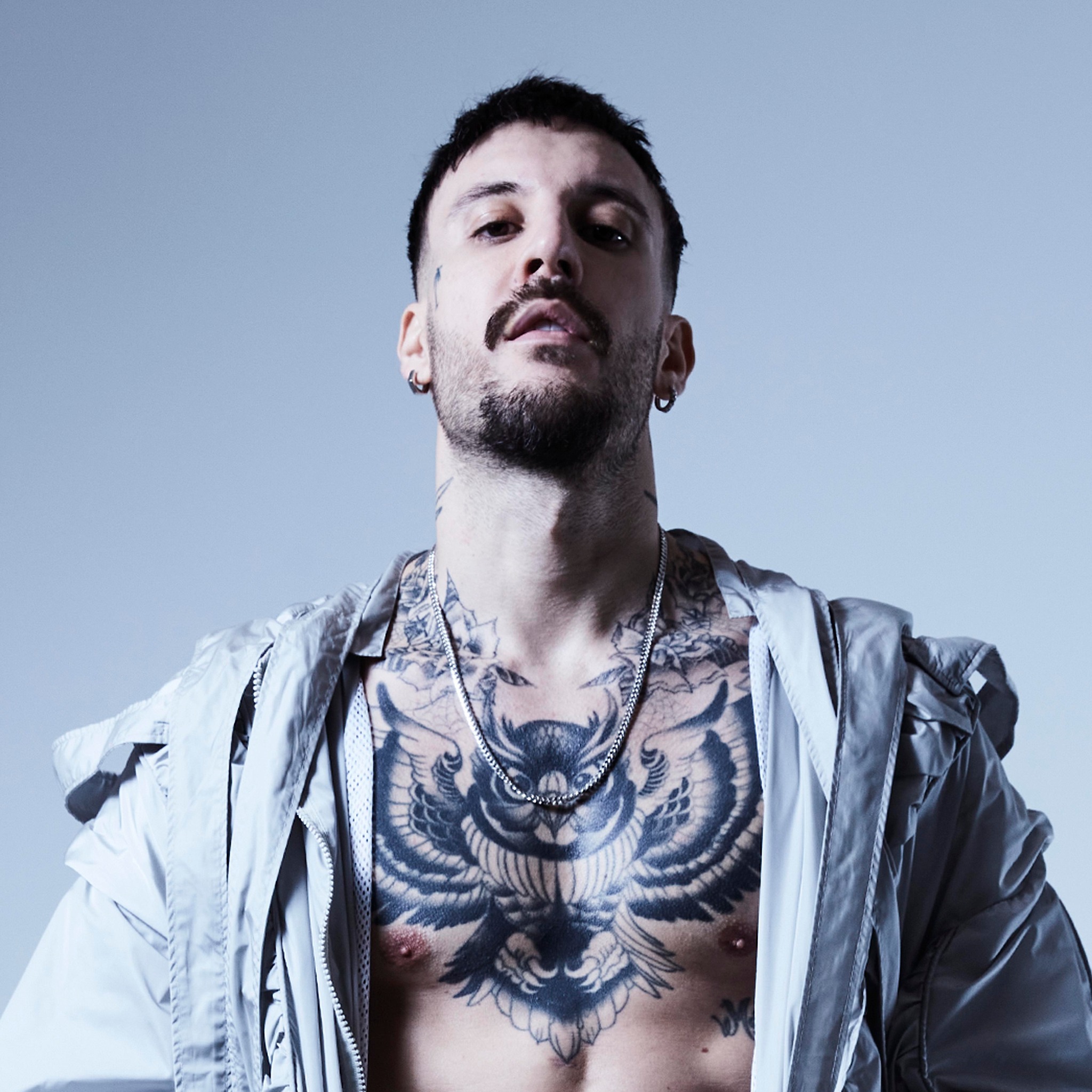
Artists such as Fred De Palma have shown how powerful this can be, earning five Platinum certifications in Spain for his collaborations with Ana Mena. That success opened the door to a wave of new duets and collaboration requests for Fred from Latin artists such as Anitta and Justin Quiles. We’ve also seen success with Mr. Rain, whose Spanish version of Superheroes with Beret reached a Top 10 airplay position and earned a Gold certification.
Also with Baby Gang, whose remixes of Mentalitè featuring Ashe 22, C. Gambino, and Kalim, amplified the song’s reach, breaking new ground through strategic international remixes and achieving gold certification in France and Sweden. More recently, Angelina Mango’s Spanish version of “La Noia” with Álvaro De Luna was featured in eight Spotify New Music Friday playlists, including in Spain, France, and even India.
These partnerships are born from our internal analysis and strong global relationships. But ultimately, the key to any successful collaboration lies in a shared artistic respect. When two artists truly connect—musically and personally—that’s when the magic happens. The role of the label is to facilitate that connection, but the music always leads the way.
Looking ahead, artificial intelligence and new technologies are reshaping music discovery and creation. How is Warner Music Italy preparing for these changes, and what opportunities do you see for Italian music in an AI-driven landscape?
We embrace new technology and AI tools can offer great opportunities for our artists, but we know not everyone wants to use them, and that decision is down to each artist. We’re also mindful that the misuse of AI tools can damage our artists, so it’s vital that EU and Italian law sets out a clear and enforced legal environment based on respect for copyright.
What are your long-term ambitions for WM Italy’s positioning in the music business, and the positioning of Italian-language artists on the world stage?
Our long-term ambition is to continue positioning Warner Music Italy as the leading label and trusted partner in the Italian market that can turn artists’ dreams into careers and audiences into fans. We aim to set a high standard in terms of quality, creativity, and service — not just for our artists, but for the broader artistic community. We want to be the go-to company for talent in Italy: a place where artists feel they are supported, challenged, and empowered to grow.
“Looking ahead, our dream is to build projects that not only achieve strong success in Italy, but also have the potential to resonate internationally.”
Looking ahead, our dream is to build projects that not only achieve strong success in Italy, but also have the potential to resonate internationally. We’re working closely with our global Warner Music partners, who are doing an incredible job building bridges across markets, and we see huge potential in exporting more Italian music to the world — especially when supported by a compelling artistic vision and the right strategy.
Another key focus for us is the development of our catalog. We’re actively investing in acquisitions and strategic opportunities that can strengthen our repertoire — not just for the domestic market, but with a view to global appeal. Our goal is to grow a catalog that can live and thrive across borders, across formats, and across generations.
If there was one thing you could change about the global music business, what would it be and why?
We’re seeing our artists break internationally a lot more easily thanks to the likes of Sanremo and Eurovision trending on TikTok, and our global teams leaning in to provide support.
But given the power and ease of access to digital platforms and DSPs, I really hope that we can continue to break down geographical barriers for Italian artists.
If we do this, we’re only going to continue to enrich the industry’s culture and create exciting and innovative global collaborations and subgenres. If all our global teams continue to lean in, we can make a huge difference to the musical landscape for this and the next generation of artists
Music Business Worldwide