A bipartisan group of US senators has reintroduced legislation that would require AI-generated audio, video and images to carry disclosures identifying them as artificially generated.
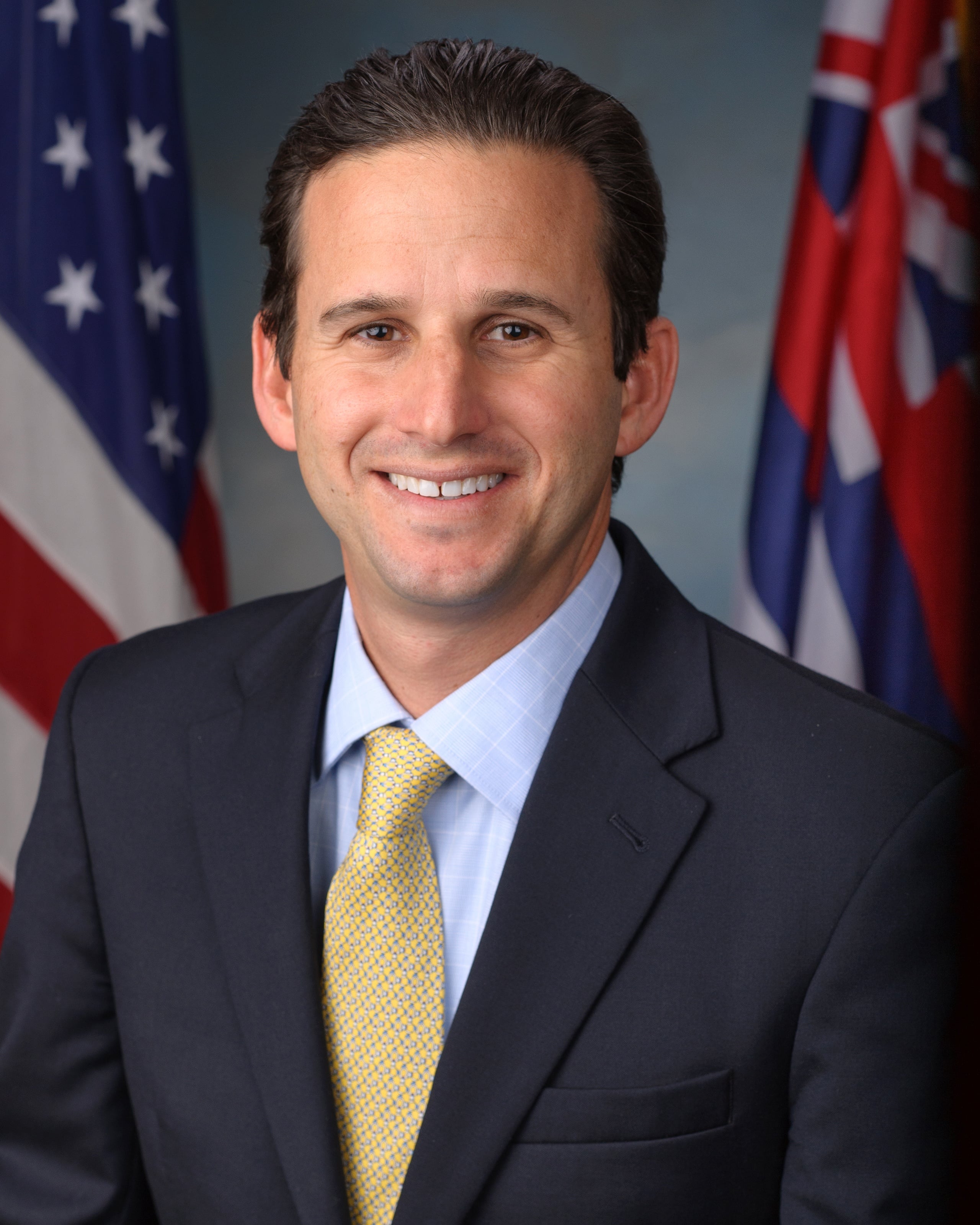
The AI Labeling Act of 2026 was introduced on Thursday (June 25) by Senators Brian Schatz (D-HI), John Curtis (R-UT) and Mark Warner (D-VA).
Its backers include SAG-AFTRA, the Songwriters Guild of America, Music Creators North America and the Society of Composers and Lyricists.
The AI Labeling Act would require providers of generative AI systems to attach a visible disclosure to AI-generated content, along with a machine-readable disclosure recording the system used and the time it was created.
Large social media, search and content-sharing platforms with at least 10 million monthly US users, or more than $1.5 billion in annual revenue, would also have to flag that content and would be barred from stripping out the disclosures, under the proposal.
Any AI chatbot would separately have to tell users they are interacting with an artificial intelligence system.
“People deserve to know whether the videos, photos, and content they see and read online are real or not.”
U.S. Senator Brian Schatz
The Federal Trade Commission would enforce the requirements, and the National Institute of Standards and Technology (NIST) would convene a working group to set technical standards for labeling and detecting AI content.
“People deserve to know whether the videos, photos, and content they see and read online are real or not,” said Schatz. “Our bill is simple – if any digital content is made by AI, it should be labeled so that people are aware and aren’t fooled or scammed.”
“As AI-generated content becomes more refined and realistic, people deserve to know whether what they’re seeing is created by a human or generated by artificial intelligence,” said Curtis.
“Our bipartisan AI Labeling Act establishes clear, commonsense transparency standards that help consumers make informed decisions, promote trust in digital content, and discourage bad actors from using AI to deceive the public.”
Said Warner: “Jurisdictions around the globe are moving to adopt common-sense rules around labeling AI-generated content – it’s time for the U.S. to catch up and in fact lead the world with a disclosure and anti-circumvention model that should be the global standard.”
The AI Labeling Act was first introduced in 2023 by Schatz and Republican Senator John Kennedy of Louisiana, but it did not become law.
The bill’s labeling requirement applies to audio, video and images, with the NIST-led working group tasked with studying other formats, including text.
“Voice actors are already seeing their voices cloned, synthesized, and deployed without any clear disclosure,” said Tim Friedlander, President and Co-Founder of the National Association of Voice Actors.
The bill is also endorsed by the Authors Guild, the Writers Guild of America East, the International Alliance of Theatrical Stage Employees and consumer groups including Public Citizen.
The reintroduction lands as the recorded-music business presses Washington for federal AI rules and builds its own systems to flag synthetic tracks.
The bill does not name music streaming services specifically.
Several platforms have moved to label AI-generated music, without waiting for Congress.
Tidal, which is owned by Block, said on Monday (June 29) that it would tag wholly AI-generated music with an “AI” badge and stop paying royalties on those tracks.
Deezer, which says it was the first service to detect and tag AI music at the platform level, reported in April that it was receiving around 75,000 fully AI-generated tracks per day – about 44% of all new uploads.
Apple Music in March launched Transparency Tags, which ask labels and distributors to declare AI-generated recordings, artwork and compositions at the point of delivery.
The company said in September 2025 that it had removed more than 75 million “spammy” tracks over the prior year, as it brought in rules against impersonation and AI-enabled fraud.
Spotify introduced a new verification badge for artist profiles on its platform in April and said that “at launch, profiles that appear to primarily represent AI-generated or AI-persona artists are not eligible for verification”.
MBW founder Tim Ingham has argued that streaming services should label AI-generated music as visibly as they flag explicit content.Music Business Worldwide