There’s a danger that the idea of a department dedicated to selling music to children could come across as cynical – but not after listening to Sarah Boorman for more than five minutes.
For a start, she is genuinely enthusiastic and evangelical, driven by a desire to get generation-after-generation passionate about music – proselytising an artform rather than pushing a product.
There’s also that word ‘department’. “I always smile when I hear that”, says Boorman.
“It’s just me at the moment. But I plug into amazing teams in the UK and around the world. I sit in Rebecca Allen’s Audience, Media & Strategy team, in Kate Wyn Jones’ Audience stream, building partnerships and initiatives with the labels. And I work closely with David Hawkes, Chief Commercial Officer [UMUK].
“I also work within a global UMG Committee focused on younger audiences. A highlight has been partnering with Bree Bowles at Republic Kids in New York. She’s phenomenal, and we’ve built a great relationship.
“I try to keep things fluid with the labels. I add the most value by building wider opportunities and partnerships that artists can tap into. But if a label ever wants me to lean in on a specific campaign, I do. Breaking and developing artists is the most important thing we do as a company, and I’m always there when needed.”
Boorman’s love of music goes back, appropriately enough, to childhood. Perhaps more unusually, so does her ambition to be part of the business.
“I remember being in primary school and imagining what it would be like to work with the artists I loved. I’d wonder how you even got to do that. It was a childhood dream that I honestly didn’t think could become reality.
“I studied psychology and economics, but my real passion was always music: listening, playing, dancing, singing, going to gigs. All my hobbies involved it. Where it all came together was music marketing. It makes sense now, but the universe still had to shift in just the right ways for me to get here.
The first sign of movement came when Boorman was President of her University Students’ Union and suddenly had to deliver a Freshers’ Week event with almost no notice. She recalls: “Ministry of Sound came to the rescue. I met the team, we clicked, and before I knew it I had abandoned my Master’s plans and joined Ministry of Sound in a super entry level role.
“I was in at the deep end. It was the ultimate initiation by fire, and I absolutely loved it.”
“I was thrown straight into the deep end – everything from compilation licensing to guestlists. It was the ultimate initiation of fire, and I absolutely loved it. I don’t think I slept properly for four years. It was fast-paced and wild, so much fun, but eventually I started to wonder where it was all heading.
“My friends were getting serious about their careers – finishing law school, PhDs – while I was jumping around Ibiza having the best time, but always skint. I couldn’t ignore the feeling that I needed to
focus more.”
That feeling led to a career-defining move that took her away from music, only to eventually deliver her back, this time with a very distinct focus.
“I became Marketing Manager at Cartoon Network, working on what we then called new media strategies for characters like Tom And Jerry and Johnny Bravo. It was fun in a totally different way – sometimes it felt like living inside a cartoon, with creatives bouncing jokes around and chucking jelly beans across the office.
“It was a brilliant time, not least because it was the only point in my life where work actually stopped at 6pm. But I really missed music, and I knew I had to find a way back. That’s where the luck came in.”
It wasn’t all luck, of course. And it’s certainly much more than luck that has seen Boorman carve out a career that now sees her working with artists and teams across the world, finding and talking to the music industry’s audience of the future…
How did you get back into the industry and end up at Universal?
Our biggest property at Cartoon Network, The Powerpuff Girls, were releasing their first feature-length film, and the studio was looking for marketing ideas that would take them beyond their very young female TV audience.
One day on the tube home, I was reading a review of the Sugababes’ new single Freak Like Me. I loved that band – they’d got me with Overload and Run For Cover – and suddenly thought, The Powerpuff Girls are the Sugababes in cartoon form!
I’m going to age myself here, but one of the first things I ever Googled was, ‘Who manages Sugababes?’ That led me to Mark Hargreaves at Crown Management, who introduced me to Jon Turner at Island, who then put me in front of Jason Iley – then General Manager of the label – at exactly the right time.
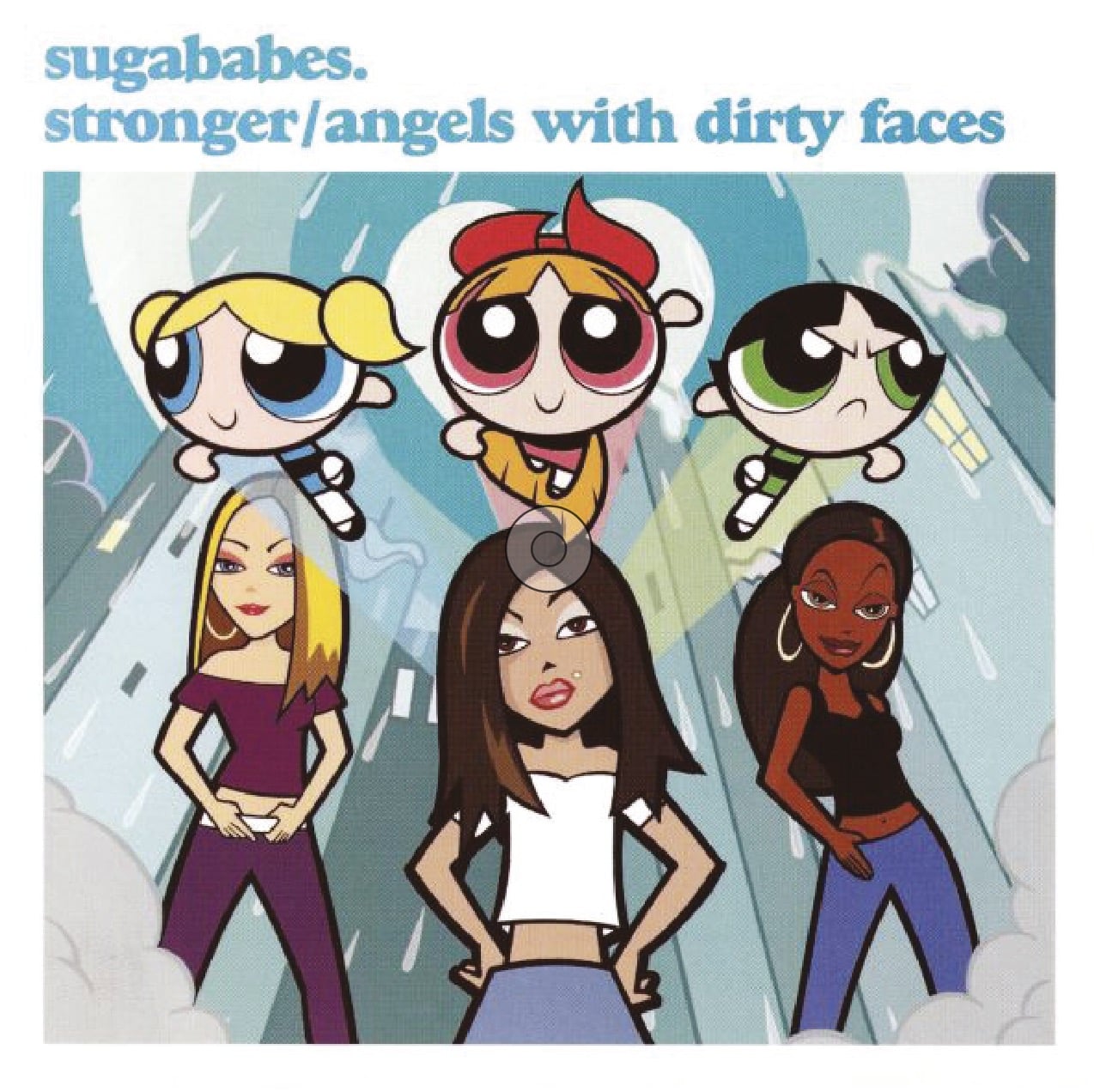
Island was going through some changes, and they needed someone new to join the marketing team. We made a cartoon that became the Sugababes’ video for Angels With Dirty Faces, and a month later I was looking after the band at Island. It was fast and incredible. I couldn’t believe how it had all come together.
What was it like working with the Sugababes?
I joined the Sugababes camp in 2002, just before they released their second single on Island (Round Round), and I stayed with them in some capacity until they parted ways with the label in 2010. A lot happened in those eight years!
They made so many great records — Darcus [Beese, then Co-President of Island Records] and the team were on fire with that band. But it was intense, fast, international, and all before digital made travel and promo and even communications easier.
What were the first and most important lessons you learned when you plunged into the deep end of the music industry?
For me, the learning curve was steep. I had to get organised – fast. You were juggling production schedules, sales presentations, timelines, budgets, assets, managers and international diaries, all at once. I became studious about my job, but it kept things together in a way that is essential if your band is going to grow fast.
I learned that my role was to be the hub at the centre of a campaign – keeping everything on track, ironing out problems, facilitating communication. Honestly, I often felt out of my depth. I was in my mid-twenties, looking after a superstar act, and I realised quickly that to earn respect I had to be on top of everything – but also stay focused, positive and kind.
“To earn respect I had to be on top of everything – but also stay focused and kind.”
Jason and Darcus were my icons at that time. They were totally different in their approaches, but both showed me what excellence looked like in their respective lanes, so I aimed for somewhere in between, with my style. I remember asking Jason early on, when I was trying to figure out how to prioritise, what really matters to get a hit. He just said, ‘Everything.’ He was right – and that’s always stayed with me.
What were the highlights of your time at Island? And who were your mentors?
Looking back, I can’t believe I was at Island through such a seminal time, and I was lucky to work on campaigns that really got
me noticed.
At the beginning, alongside Sugababes, I helped out on Busted, who were having an incredible run. Paul Adam, Louis Bloom, and I worked with Prestige Management to launch McFly, which properly put me on the map in the UK.
I was there from the very start – I still have a Polaroid from the first band meeting. I loved working with them, they were an absolute joy.
Their energy and positivity were infectious and I still talk to them now.
Honestly, it was seeing the reaction of the young fans that really hit me the hardest. Even now, I’ll still meet executives even now who say to me, ‘You helped launch McFly? They were my first gig, my first album – they were everything to me!’
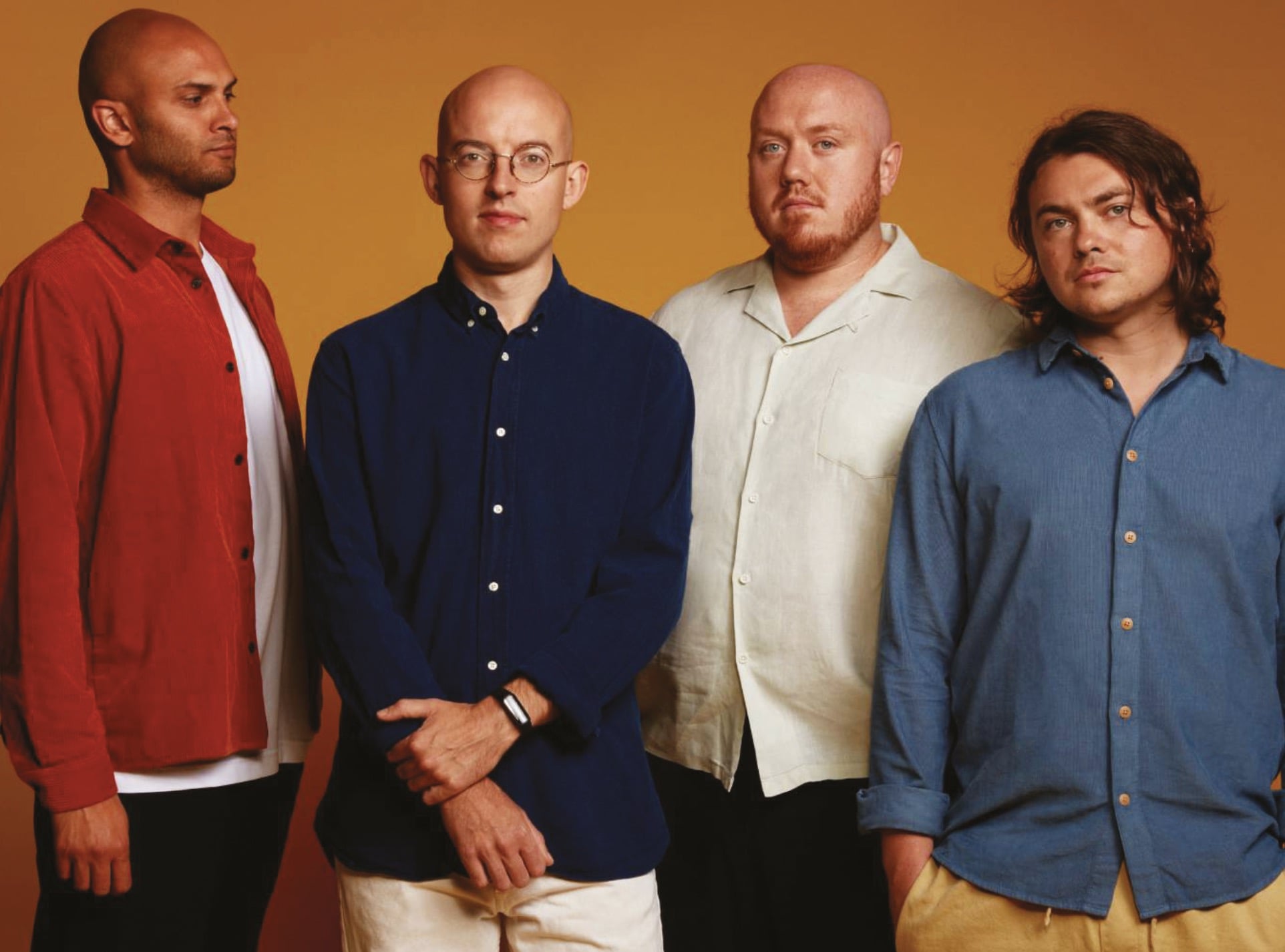
Breaking Bombay Bicycle Club meant a lot, because until then I’d never broken an ‘NME band’. They were clever, passionate, and inspiring.
Plus there was Jessie J, Tinchy Stryder, The Wanted, Taio Cruz, The Feeling, Mika, Florence + The Machine. It was an amazing time, and I was only running half the label!
“I’ll never forget Darcus walking in with Rehab, fresh from New York. We were speechless.”
But the ultimate highlight has to be Amy [Winehouse]. I knew her from day one at Island, and because I didn’t work on her record at first, we could just chat as friends. I remember SXSW the year she showcased. She was nervous but, when she delivered her acoustic set, you could hear a pin drop. I have goosebumps just thinking about it.
Later, when I did end up marketing her record, it was magic. I’ll never forget Darcus walking into the office with Rehab on a CD, fresh from New York with Mark Ronson, playing it to us and asking what we thought. We were speechless – it was clearly something special.
By the time I left Island, when my second child was born, I was General Manager. Loads of huge international acts were coming through – The Weeknd, Ariana Grande, Drake. It was incredible, but also relentless – endless promo trips and late-night conference calls (pre-Zoom). With two really young kids at home who needed me, I was ready for the next chapter.
Who were your specific mentors at that time?
We didn’t use that word back then. We were all just getting on with the job. But looking back, Ruth Parrish [Director of Promotions] and Darcus were key. They gave me advice, had my back, and pushed my thinking forward.
Ruth, in particular, showed me how to navigate as a woman near the top. She was my trailblazer. I’m proud to say both Ruth and Darcus are still two of my closest friends today.
From Island, you joined the Curation and Special Projects division. What did that entail?
UMOD (Universal Music On Demand) came out of UMTV, Universal’s compilation label.
UMTV had been hugely successful for decades, but once physical albums started to decline, the label needed to evolve. The wane of physical was directly linked to the rise of streaming and, for a while, playlist curation really made a difference to a track’s success. So our team focused on playlists, creating several in-house brands.
But we also explored anything involving curation – in new, creative ways. Compilations still worked, but we pushed boundaries: Pete Tong with the Heritage Orchestra (which gave us multiple No.1 albums), the Trevor Nelson collections, and the UK version of Kidz Bop.
How did the Kidz Bop collaboration come about and what made it so successful?
Kidz Bop were huge in the US, and their label, Razor & Tie, wanted to expand internationally with a UK group.
The idea was simple but powerful: kids singing family-friendly versions of chart hits, which usually wouldn’t get through streaming filters for younger listeners. It felt risky because it had been years since anything ‘for kids’ had really worked outside of Disney, but we decided to go for it.
ITV heard about the project and loved it. They knew the power of family-friendly pop from The X Factor and backed the band. TV was still a massive driver at the time, and we had incredible kids with real star quality (one was even called Twinkle – born for it!). The music sounded way better than anyone expected. Add in a stellar TV campaign and strong playlisting, and we had the magic formula. The result was three Top 10 albums in the UK – a huge achievement by any standard.
Is that what led to becoming General Manager, Youth Strategies? And was that a specially created role?
Yes and no. Kidz Bop was part of a bigger thought process. I’d already had success with youth-driven acts like McFly, and I’d seen how young fandom could start well before teenage years.
At the same time, The Greatest Showman soundtrack was unstoppable, and I realised it was kids and families driving that success. The same happened with Frozen and Encanto. Clean, family-safe albums had incredible staying power.
My thinking was that we needed to A&R for this space again. But the industry had lost its youth-facing platforms: no Smash Hits, no TOTP, no CD:UK, no Chart Show. The download era meant that you suddenly needed a device, an account, and a debit card. By the time streaming and social media arrived, the media landscape for kids had completely changed.
On top of this, my own kids were growing up. I felt sad that the only music they knew was what I played them. My daughter, then aged seven, constantly asked for Let It Go. I thought, when I was her age, I bought Madonna’s Like A Virgin. Where’s that experience for her?’
Then one day, my four-year-old son asked Alexa to play Apricots by Bicep after hearing it on BBC Radio 1 – he had it on loop, jumping around like a little raver. That was a eureka moment; the landscape had changed again, children could access streaming via YouTube and smart speakers, they just needed people to talk to them. So, the Youth Strategies role was about recognising all these threads and creating a space in the business focused on under-13 audiences again.
Is that how you define ‘youth’ – under-13?
It depends on the project, but broadly yes, I mean Gen Alpha – kids under 13. GDPR-K in the UK/EU and COPPA in the US set strict privacy rules for under-13s: no first-party data, no media accounts without parental permission.
This means social media is effectively off-limits, outside of YouTube Kids. A responsible youth strategy has to build elsewhere. Advertising is also stricter – no direct-to-consumer messaging, and restrictions around products like alcohol, sugar and fast-food.
I break it down further: zero to seven years is mostly music ‘for kids’, where parents and carers are the gatekeepers.
Seven to 12 years is ‘for tweens’, when kids start choosing for themselves. They want contemporary artists, but delivered into the water supply of where they are.
This second group is fascinating. Around age seven, the two hemispheres of the brain start working together, allowing more sophisticated choices. It’s also the age when many kids get access to iPads, Alexas, gaming consoles.
They begin to reject ‘child-focused’ content and insist on their own choices. That’s when music fandom starts – and it sticks for life.
What have been your biggest achievements in the role so far?
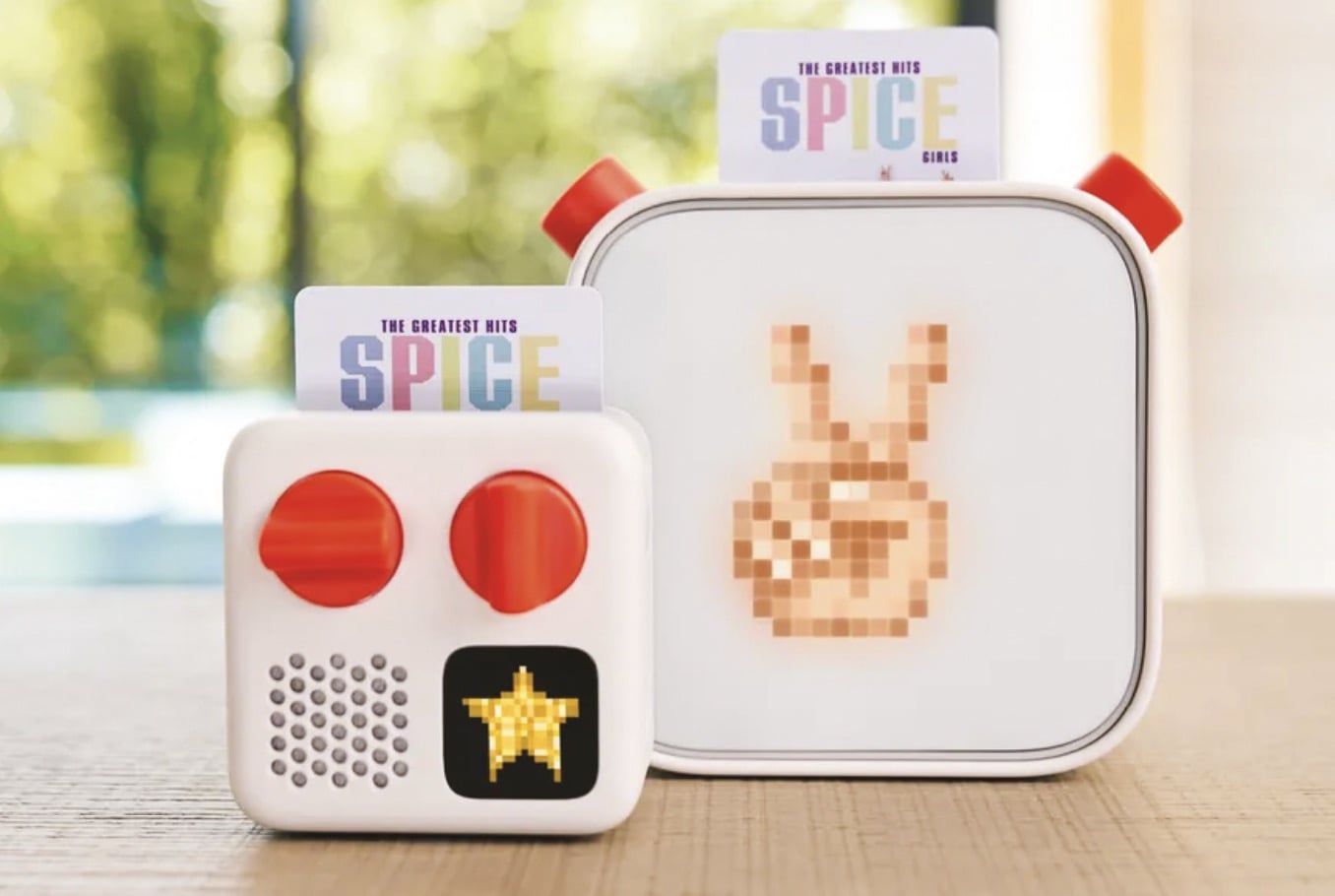
I’m really proud of the work we’ve done with Yoto, the audio platform for kids. It was the first global partnership of its kind, and they’ve been the perfect collaborators.
We’ve released classics like The Beatles, Elton John, Queen, ABBA, Bob Marley, Spice Girls, plus Disney and Moonbug projects. And now, we’re starting to release new music as part of artist campaigns.
Yoto is chart-qualifying in the UK too, which is an important factor. But for me, the bigger win is connecting with a younger audience in an innovative way, giving them the ability to choose their own music.
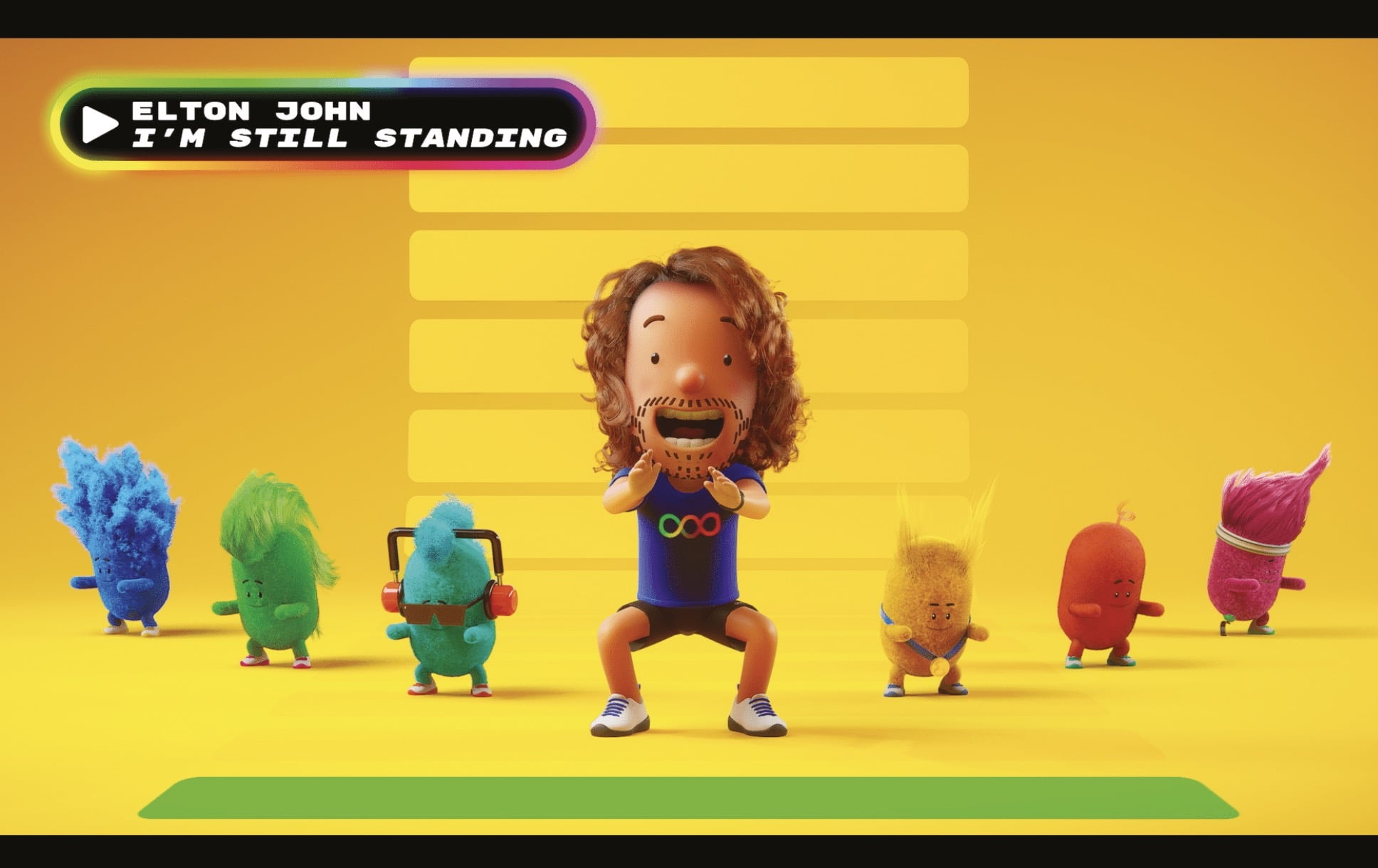
I’m also proud of Activate, our partnership with Joe Wicks and Studio AKA (Hey Duggee), which launched this summer. It’s the first of its kind, an animated fitness series for kids, with short online episodes featuring tracks exclusively from Universal Music UK artists. It’s being used in primary schools around the UK from September.
Seeing children turn screen time into active time while enjoying our music is incredible.
But honestly, the biggest achievement is starting this whole conversation – getting people across the company to support ways to inspire young listeners to find their musical tastes. After all, they are essential to the future of the industry.
What are the keys to getting kids interested in music? And how is it different from marketing to adults?
The truth is, kids are naturally interested in music. Play a track, and they’ll almost always react. They’re curious, open, and absorb everything.
Last year I worked with primary school children on Bob Marley’s 80th celebrations, tied to our Young Voices partnership (250,000 kids singing his songs on an arena tour!).
“It’s easy to spark a lifelong passion – if you create the spark in the first place.”
They were fascinated – not just by the music, but by Jamaica, reggae, the lyrics. It showed me again how easy it is to spark a lifelong passion – if you create the spark in the first place.
The big difference is appropriateness. I spend a lot of time on clean edits – both audio and video. Video is especially tricky. It’s not just about removing explicit lyrics; visuals have boundaries too. But it’s worth it, because future audiences are visual-first. We have to get this right.
Can you tell us about any projects you’re working on at the moment?
Right now, a huge focus is developing youth music video channels across connected TV and YouTube.
Believe it or not, there isn’t currently a music platform where kids can watch age-appropriate videos. Most videos are made with Vevo/YouTube in mind and don’t meet Ofcom standards for youth viewing.
We’re working with the BBFC to classify videos: determining which are fine, which need tweaks, and which need alternates. We’ve soft-launched two CTV channels with VOD365: Ketchup Music (for younger kids and parents) and YAAAS! (for tweens who want contemporary music videos).
We also launched 4Tunes on YouTube – a safe space for tweens to watch music videos, short-form content, and creator collabs.
And what are the headline goals for 2026 and beyond?
The video channels will be much more populated by the end of this year, so 2026 will be marketing and development phase for those. I’m really excited to get to there, as I know from the research and insight work I’ve done how much children want these services.
We continue to work closely with Yoto and have some exciting plans to deepen our partnership.
We are also looking at collaborations in the gaming space.
The world of age-appropriate but relevant and exciting music curation for younger audiences still has a long way to go, but I am keeping my eye firmly on that process.
There is little more important to me than giving children the music they deserve that will stay with them for life, and, in doing so, build future music lovers.
MBUK is available as part of a MBW+ subscription – details through here.
All physical subscribers will receive a complimentary digital edition with each issue.Music Business Worldwide