
In the dark days of the first UK Covid-19 lockdown, a young British singer-songwriter took to Zoom to showcase her talent to her international label partners.
As she played live from her bedroom, curtains pulled shut behind her, 42 international Universal execs tuned in. Which might not sound like much but, according to Nickie Owen, who heads up international marketing for Universal Music UK, it might just have planted the seeds for Lola Young’s (for it was her) blossoming international superstardom.
That showcase sold global partners on the rising star’s talents and, as the world slowly returned to normal, they all did plenty of groundwork in their respective markets.
So, when Messy first started gaining traction last year, the sterling work done by Island Records UK was supported by Australia’s Triple J radio picking it as one of their songs of 2024, by an early TV appearance in Germany, by the multiple grassroots live dates performed in markets around the world, and by the fan events organised in America.
The song was a TikTok sensation but, Owen notes with pride, it was also an ultra-rare radio No.1 across three different US airplay charts (Pop, Adult Pop, Alternative).
“I can see why people would see it as overnight success from the outside,” she smiles. “But there’d been a huge amount of hard graft. So, when that song connected, it wasn’t with nothing underneath.”
The huge global success of Messy – plus the massive buzz surrounding the follow-up, One Thing, and Young’s forthcoming new album I’m Only Fucking Myself, due in September – has restored UK music’s international reputation after a barren few years. Not that Owen sees things quite like that.
“There was definitely a dominance of US pop artists for a minute,” she concedes. “But, historically, the UK has always been at the forefront of culture and our moment is coming back. Look at the artists we are now breaking: Sam Fender, The Last Dinner Party, Lola Young – these are alternative artists. It was just a cycle of music, it wasn’t anything anyone was doing wrong.
“We were busy getting under the bonnet, doing the work we needed to do and now our time has come back,” she declares. “The work we do is long-term artist development so, even if it wasn’t necessarily reflected in global charts, it didn’t mean we weren’t working to build those audiences.”
And Owen – who became sole President of International Marketing in March 2021, after initially sharing the role with Rob Fleming when promoted to the top job in 2018 – is working harder than ever. New Universal UK chairman/CEO Dickon Stainer has made it clear that breaking British acts around the world is his priority – which suits Owen and her team very nicely. She enthusiastically praises the “incredible surge of energy” Stainer has brought to the company’s international efforts.
And that, er, big Dickon energy seems to be transferring to global markets too, with high hopes for the likes of Fender, Olivia Dean and The Last Dinner Party – all of whom seem on the cusp of significant breakthroughs overseas – to supplement huge recent international results for the well-established likes of The Cure, Sam Smith, the Rolling Stones and Elton John.

Owen buzzes about TLDP’s recent Brazilian dates and Fender’s upcoming US East Coast tour, but prefers to keep a very low profile herself (“What’s important for me is the success of the artists we work on,” she says. “I don’t think I’ve deliberately not done any [interviews], I’ve just been cracking on with the day job”).
But there’s clearly plenty of steel beneath her smiley exterior. A huge music fan growing up, but with no idea of how to turn that into a career, she did a media studies degree (“My Mum’s never forgiven me!” she laughs) then applied for a job as an assistant at Jonathan Shalit’s management company at the end of the nineties, without knowing who he was.
“We were busy getting under the bonnet, doing the work, and now our time has come back.”
Soon, she was working day-to-day on Jamelia, a huge priority at the time for EMI. She travelled the world with the star, which gave her a taste for global markets, and then joined EMI’s international department.
She weathered the madness of the Terra Firma years (“I saw how culture can change in companies which are not run by music people – it taught resilience, plus how to drown out noise and focus on the job in hand,” she says, stoically), and then stayed at Universal post-acquisition, rapidly rising through the ranks.
She clearly loves it too, enthusing about UMG and her colleagues with a fervour that might be slightly unnerving if it wasn’t so sincere (“I wouldn’t have done this job for as long as I have if I didn’t wake up every morning and love it!”). And she is clearly determined to deliver even more global success for the major’s UK artists.
So, on a quiet Friday at Universal’s London HQ, MBW meets up with her to talk about Lola Young, Sam Fender and why the UK will never turn into Belgium…
Is being President of International Marketing a much bigger job than it was a few years ago?
I’ve done international for most of my career and the great thing about it is, it evolves all the time. The job’s probably bigger than it’s ever been and it’s one of the most important calling cards for artists to sign to Universal, which means it’s really exciting.
“The team we’ve constructed means we can actively start fires in different markets.”
I take that responsibility very seriously. What’s exciting now is, we have more control. Maybe when I first started at Universal, we were a little bit of a conduit for information between the UK and the markets, but the team we’ve constructed over the last three or four years means we can actively start fires in different markets.
We’ve got a different rhythm to working, so we can tangibly make a difference. Maybe five or six years ago you were waiting on an incoming email; now we can be proactive and really deliver.
Has UK music turned a corner internationally?
Definitely. We know from the artists that are really making a splash that you’ve got to do the work: you’ve got to go to those markets and build those audiences – so that’s what we do. But the UK is definitely back on the global stage and we’ve got some artists we’re super-excited about.
In the old days, British artists would break the UK and then think about the rest of the world. Do you have to think globally from day one now?
When I first started, different markets released music on different days of the week, sometimes months apart. It’s wild to think about that now – the international [conversation] used to start when an artist had charted in the UK.
But streaming means everything is available to everyone now – breaking the UK is still fundamentally important, but it doesn’t need to happen before you start having the conversation.
For a lot of artists that we speak to, their first ambition is to break the UK – it’s great that they’re proud of being British, and success here is important, but that doesn’t mean we can’t do our part as well.
Having that breakthrough hit is one thing, but what do you have to do to make sure Lola Young enjoys sustained international success?
It becomes about Lola and making sure that we don’t rely on the song to exist without her growing her fanbase.
Her manager, Nick Shymansky, is a great partner, so we’ve strategized the next 12-18 months and where she’s going to go in the world. She’s going back into America, she’s going into markets she’s never been in before, there’s a real focus on Mexico and Latin America, we’re discussing how to get her into Asia and back to Australia.
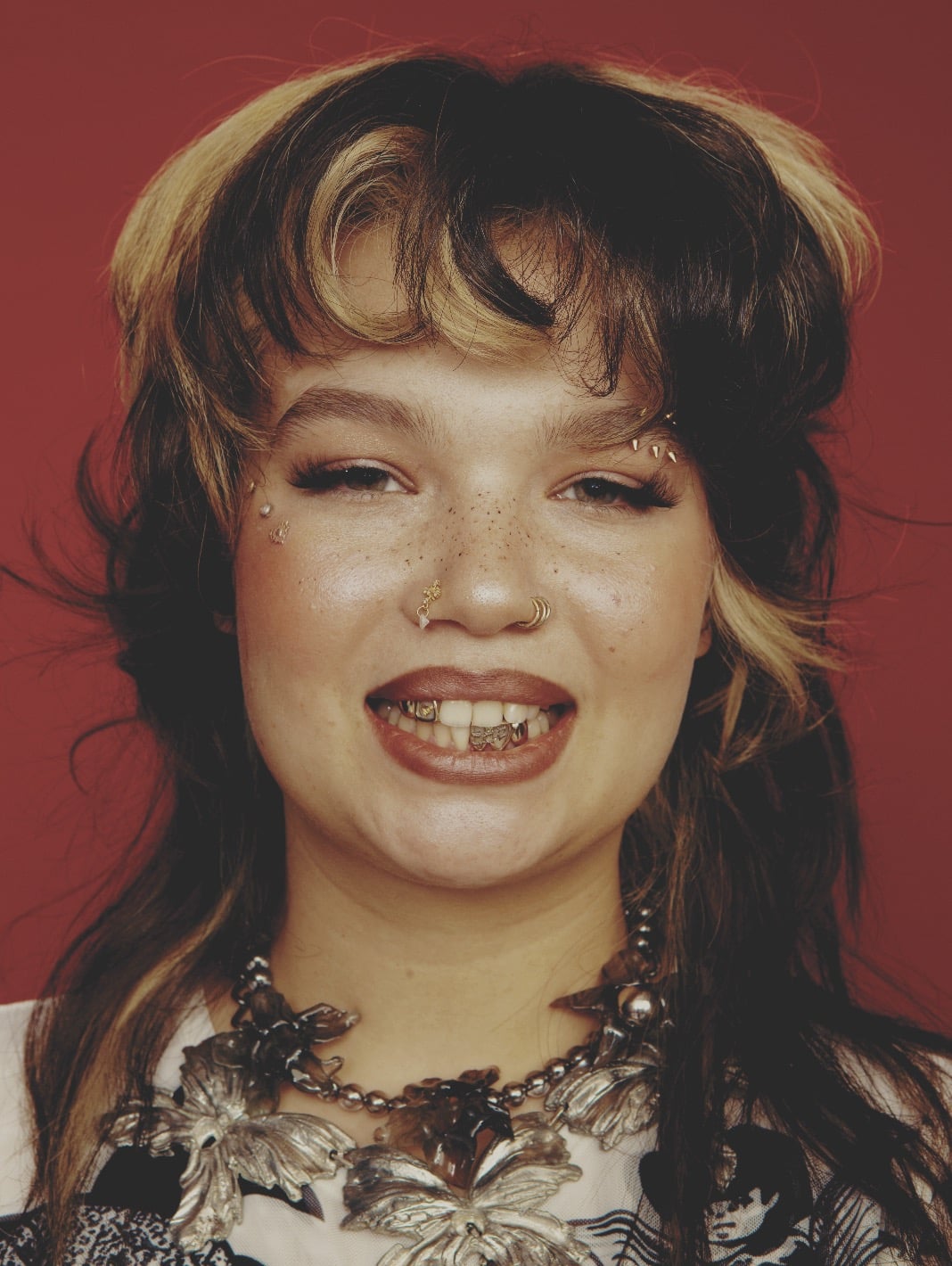
Ultimately, we just have to keep building those audiences globally and then you’re not reliant on that one song, and you’ve got a situation where you can dive back into the world of Lola.
It’s complete credit to her that she’s not sat there going, ‘I’ve had a hit, great’. She’s like, ‘How do I keep working?’, so she’s going back on the road and doing festivals through the summer.
We used to work in release cycles – an album came out, it was done and you were on to the next. Now, nothing ever ends – but in a really good way. You just have to keep working and working.
Sam Fender is playing stadiums in the UK. Is it difficult for him to play much smaller venues in America?
Sam’s not in stadiums in America, but he said his West Coast tour had some of the best shows he’s ever done.
I totally understand how the disparity between the UK and another market might feel daunting to some artists, but Sam is taking it on as an amazing opportunity to play in [the sort of] rooms that he hasn’t played in for years. It’s all down to the hard work and commitment of the artist.
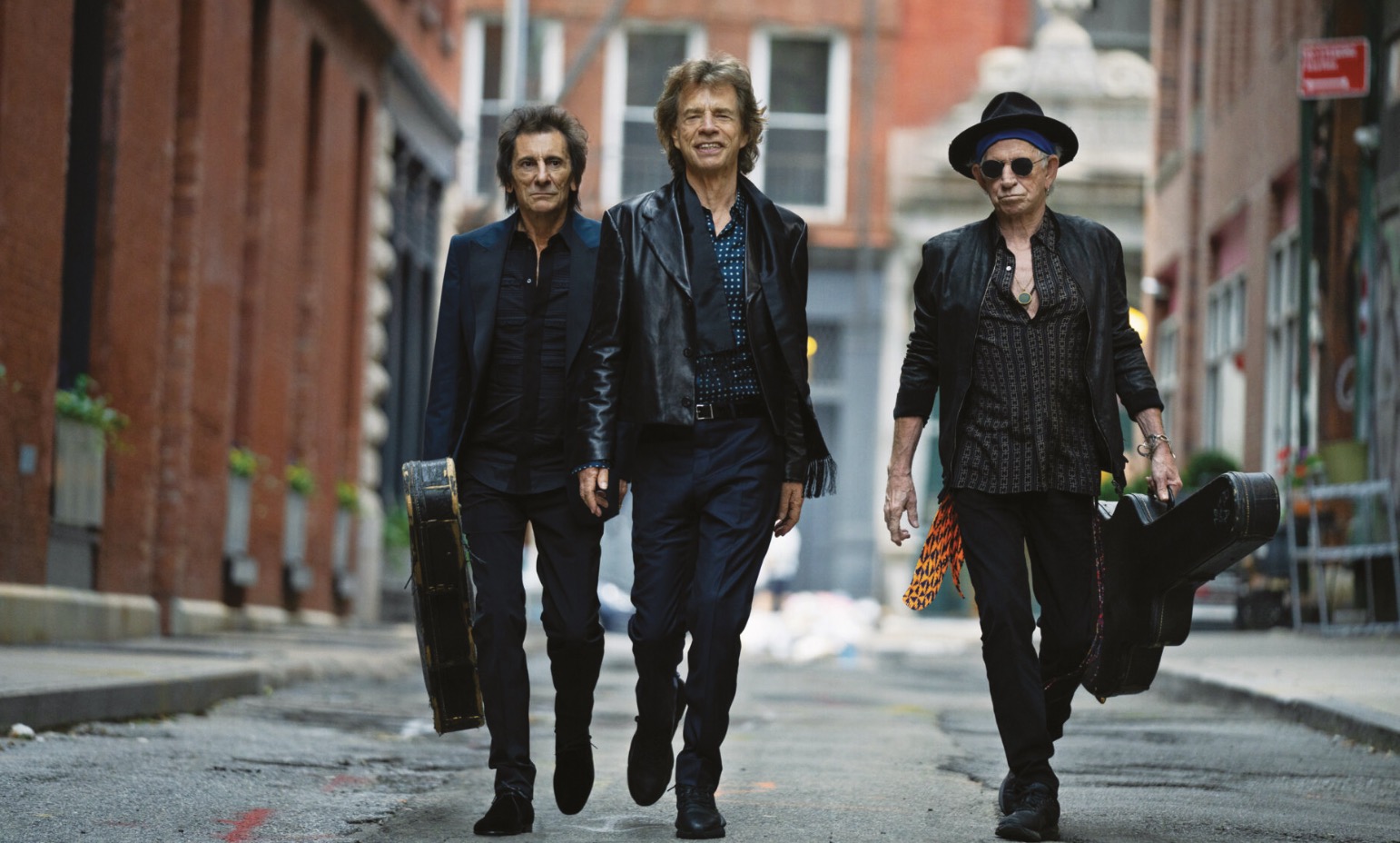
Hackney Diamonds was the first original Rolling Stones album in 18 years and I went in thinking, ‘I wonder what they’ll do’. Mick [Jagger] by himself did 18 interviews for Germany, and that’s an example that we use across all of the young artists we have now: if you really want to deliver, you have to put in the time. You can’t take anything for granted.
There are many more international markets of interest than there used to be. How do you decide which ones to concentrate on?
Some of the emerging markets are still incredibly domestically focused, so each country has its own opportunity. It’s about the right fit.
For Aurora, a Decca artist, China felt like a really exciting market to her; she’s been in several times and she’s just crossed a billion streams there, which is phenomenal.
That’s not going to work for everyone – it’s 90% domestic and the UK percentage of that other 10% is relatively small, but it was a market of interest to her and she’s built this world for herself there.
There are other artists where we’d be like, ‘China probably isn’t right for you’, but South East Asia is a really exciting region for us at the moment. Festivals are opening up, which allows an easier entry point. Latin America is more established but, from a genre perspective, is much more interested in guitar music.
I have a bug bear about doing international by population [size], because we can have situations where people are focusing on a market where an artist can’t even break, just because of large population size.
Every market tells a different story and it’s about matching the artist with the market.
If TikTok gets banned in America, how will it affect marketing plans?
We’ll work around it. You want to get to people, you want people to feel music and buy into an artist and TikTok is one way to do that.
We’re not complacent – it’s a discovery mechanism, but my belief is that TikTok alone doesn’t break artists. It can aid discovery and help an artist build momentum, but it is part of a wider ecosystem with label support which can bring long-term success.
What did you learn from working with Jonathan Shalit at the start of your career?
He’s totally one of a kind. Going into a management company, you get to see all aspects of the business.
It was almost like an apprenticeship, I was learning on the job.
I learned so much from him – we were dealing with record companies, publishers, live agents – the full 360. Plus learning how to deal with people and artists, which was really important. He taught me loads, he was very generous, he gave me enormous opportunities.
What I understood from him so quickly was that this is not a 9-5 job. He worked incredibly hard and his mission was always to do the best for the artist – that’s something I’ve taken on. It’s not about the individual, it’s about what you’re delivering on behalf of people.
Universal UK recently underwent a restructure. How is the new setup working out?
The word resilience is probably really important when you go through the changes that were made. We’ve become a tighter, more efficient group of people, more driven, more passionate about success.
We’ve got through it, I think we’re stronger for it, we’re having the success we didn’t when we were bigger and we’re going to continue to do that. It was tough for a variety of reasons, but we’re definitely stronger.
David Joseph also left and was replaced by Dickon Stainer. How has that changed things?
David was great to me. I got this job under David, I worked with him for 10 years and he was really personally supportive.
But the reinforced narrative of ‘UK artists to the world’, which Dickon holds really true to his heart, is only going to accelerate our global success. Dickon has been incredibly supportive to me personally. We can take more risks, we can be stronger – the change in leadership has reinforced this team and given us even more ability to push boundaries.
“We should be bolder and braver, let’s try things we’ve never tried before.”
Dickon’s given us the belief that we can invest more in that artist, should we need to. We should be bolder and braver, let’s try things we’ve never tried before.
Trying and failing is fine – well, we don’t actually fail (laughs), but let’s take a risk, send an artist to Korea, because the worst thing that’s going happen is you’re going to create three or four fans there. Which is obviously not a bad thing.
What do you think of the fear of some British execs that the UK could lose its status as a music powerhouse and end up like Belgium?
[Laughs] I’ve heard that a few times – why is it always Belgium?
No disrespect to Belgium – I don’t want to slag Belgium off, I work with some lovely people there – but I can talk about the artists that we have the privilege of working with and we’ve got some of the best talent. That will cut through.
When you look back at what the UK has delivered over the years, we can create movements that are global and resonate everywhere. That will continue to happen, so I’m not worried about it at all.
It’s been a while since UMG had a genuine new British global superstar on its books. Will we get one soon?
Yes, more than one! Music is in the hands of the consumer more than ever before, but Universal has got a huge pool of talent that we’re going to see on the global stage and our job is to put them in the best possible situation. Universal will have that next global superstar, for sure.

MBUK is available as part of a MBW+ subscription – details through here.
All physical subscribers will receive a complimentary digital edition with each issue.
Music Business Worldwide