Today (January 28), the company announced it paid out more than $11 billion to the music industry in 2025, which it says is “the largest annual payment to music from any retailer in history”.
Spotify previously paid out “a record” $10 billion to the music industry in 2024 and $9 billion the prior year.
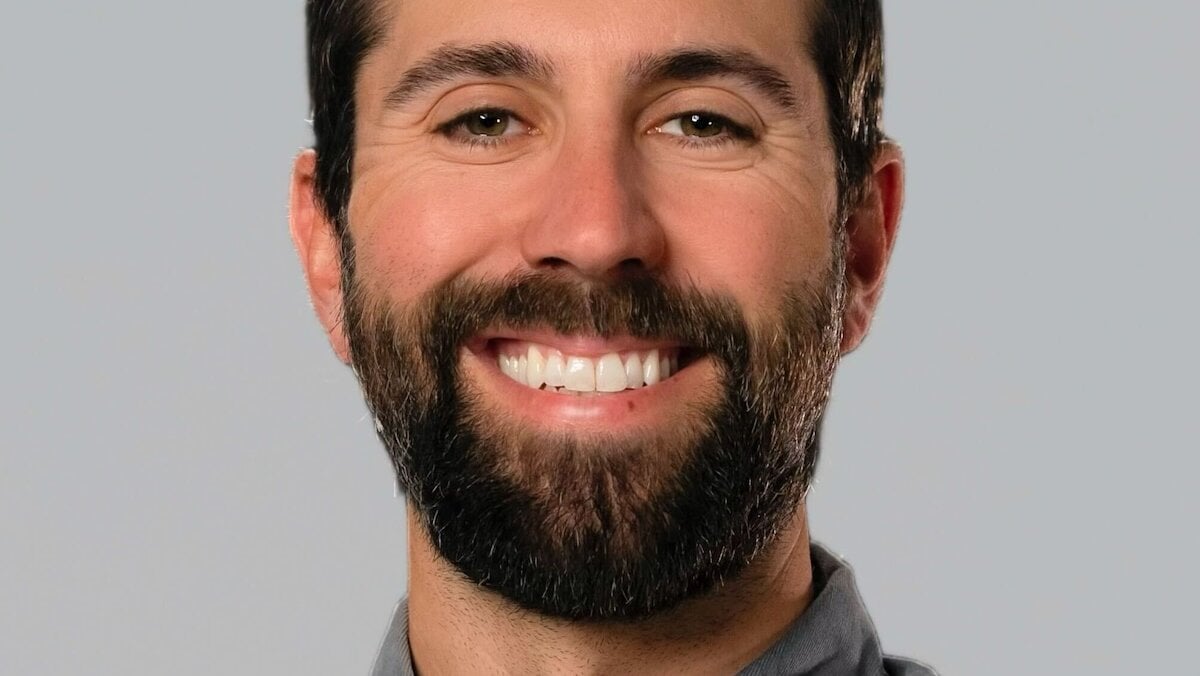
The latest figure, revealed in a blog post by Spotify’s Head of Music, Charlie Hellman, represents year-over-year growth of more than 10% and brings the service’s all-time payouts to nearly $70 billion.
Spotify’s music industry payout recipients include record companies and music publishers, plus independent distributors, performance rights organizations, and collecting societies.
In his letter, Hellman emphasized the significance of Spotify’s 2025 payout figure relative to broader industry growth, writing that Spotify was “the primary driver of industry revenue growth in 2025”.
He added: “Today, Spotify accounts for roughly 30% of recorded music revenue. Last year, our payouts grew by more than 10%, while other industry income sources grew by closer to 4%”.
Spotify’s nearest rival in terms of publicly reported music industry payouts is YouTube, which reported in October that it paid more than $8 billion during the 12 months from July 2024 to June 2025 — up from $6 billion for the 12 months from July 2021 to June 2022, the last time it publicly shared the figure.
“there are now more artists generating over $100k/year from Spotify alone than were getting stocked on record store shelves at the height of the CD era.”
CHARLIE HELLMAN
“Big, industry-wide numbers can feel abstract, but that growth is showing up in tangible ways,” said Hellman.
“For example, there are now more artists generating over $100k/year from Spotify alone than were getting stocked on record store shelves at the height of the CD era. That’s the real shift and extraordinary progress that these numbers represent.
“Despite rampant misinformation about how streaming is working today, the reality is that this is an era full of more success stories and promise than at any point in history.”
Hellman also addressed Spotify’s price increase for Premium subscribers in the United States, Estonia, and Latvia, which comes into effect in February.
In the US, monthly subscription costs will rise from $11.99 to $12.99, roughly 18 months after Spotify’s previous US price hike in July 2024, when the Premium tier increased from $10.99 to $11.99.
The move followed a pattern of international price increases that Spotify has implemented across multiple markets over the past year, including the UK, Switzerland and Australia, and various markets across Europe, Latin America, and Asia-Pacific.
“At the end of the day, growth is driven by fans,” said Hellman. “More than 750 million people around the world are now paying every month for music streaming, across all streaming services.
“As that audience has grown, we’ve also raised prices. Since Spotify pays out two-thirds of all music revenue to the industry – almost 70% of what we take in – as Spotify revenues grow, music payouts have grown as well.”
Spotify is due to publish its Q4 2025 financial results on February 10, so it will be a few days before we can calculate the exact percentage of the company’s annual revenues it paid out to the music industry last year.
In 2024, Spotify’s $10 billion payout figure meant that it paid out approximately 60% of its EUR €15.67 billion ($16.96bn) in annual revenues that year.
Elsewhere in his letter, Hellman also took aim at AI-generated content, warning that: “AI is being exploited by bad actors to flood streaming services with low-quality slop to game the system and attempt to divert royalties away from authentic artists.”
In response, Spotify says it will introduce changes to artist verification, song credits, and identity protection.
“Unprecedented competition alongside unprecedented opportunity defines today’s music industry.”
CHARLIE HELLMAN
The company also highlighted its impact on live music, claiming to have helped artists generate more than $1 billion in ticket sales through its ticketing partners to date.
“In 2026, we’re building on that strength with new features that will help more artists turn listening into tangible support from their fans,” said Hellman.
Further outlining the firm’s objectives for the coming year, Hellman said that its “number one priority is to help more new music and new artists cut through the noise”.
“Unprecedented competition alongside unprecedented opportunity defines today’s music industry,” he concluded. “Our focus is ensuring that growth creates clear, reliable paths for artists to reach fans, and sustain careers.”
Spotify founder Daniel Ek stepped down as CEO at the turn of the year to transition to Executive Chairman as part of the shakeup of its leadership team announced last fall.
The company installed Gustav Söderström, formerly co-President and Chief Product and Technology Officer, and Alex Norström (formerly co-President and Chief Business Officer), as co-Chief Executive Officers.Music Business Worldwide