MBW’s World Leaders is a regular series in which we turn the spotlight toward some of the most influential industry figures overseeing key international markets. In this feature, we speak to Jonas Nachsin, General Manager (Worldwide) of Spinefarm Music Group. World Leaders is supported by SoundExchange.
Jonas Nachsin has spent more than three decades guiding some of metal and rock’s most influential acts to global success.
From his time at the legendary Roadrunner Records where he worked with breakthrough artists like Sepultura, Slipknot, and Type O Negative, to his current role leading Spinefarm, Nachsin has been instrumental in elevating heavy music from the underground to mainstream consciousness.
His journey began in the late 1980s at a distribution warehouse in Queens, New York, selling records to independent stores.
A chance encounter with Roadrunner Records founder Cees Wessels led to a career at the forefront of the commercial breakthrough in contemporary rock and metal.
As Nachsin explains in our wide-ranging interview below, his first stint at Roadrunner took place between 1988 and 1992, followed by four years at PolyGram. He returned to Roadrunner in 1996 and was appointed President of the label three years later.
During his tenure as President of Roadrunner from 1999 to 2012, Nachsin oversaw the label’s explosive growth, driven by the success of Slipknot and Nickelback — two acts that redefined what metal and rock bands could achieve commercially.
“Our job is to help find fans who will love this music and develop a relationship with the artist making it.”
Jonas Nachsin
When Nachsin joined Universal Music Group‘s Spinefarm in 2013, he inherited a label with a storied heritage but limited global presence. It was founded in Finland by Riku Pääkkönen in 1990 and acquired by Universal Music Group in 2002.
Under Nachsin’s leadership, Spinefarm has evolved into a multifaceted rock powerhouse, signing breakthrough acts like Sleep Token and developing stars like Dayseeker, Dead Poet Society, Creeper and Kid Kapichi.
The label’s roster extends beyond traditional rock and metal boundaries via imprint Snakefarm, which Nachsin explains was “born out of [UK A&R boss] Dante Bonutto’s passion for Roots/Country and blues- based rock ‘n’ roll Music”.
Elsewhere, from the genre-defying Bambie Thug (Ireland’s Eurovision 2024 entrant) to established acts like Atreyu, Airbourne, Black Label Society, Black Veil Brides and Bullet for My Valentine, Spinefarm represents what Nachsin calls a “small but mighty” operation that prioritizes long-term artist development over quick commercial gains.
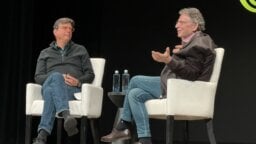
Here, speaking with MBW from the Louder Than Life festival in Louisville, Nachsin reflects on his three-decade-plus career, and talks A&R, artist development, the business of rock and metal, and the role of a record label in 2025.
“Our job is to help find fans who will love this music and develop a relationship with the artist making it,” he says. ”That can be so hard because it’s a big world with so many entities grabbing people’s attention. But if you can get someone’s attention and they like it, we all win.”
How did you first get involved in the music industry, and what drew you specifically to the metal and rock world?
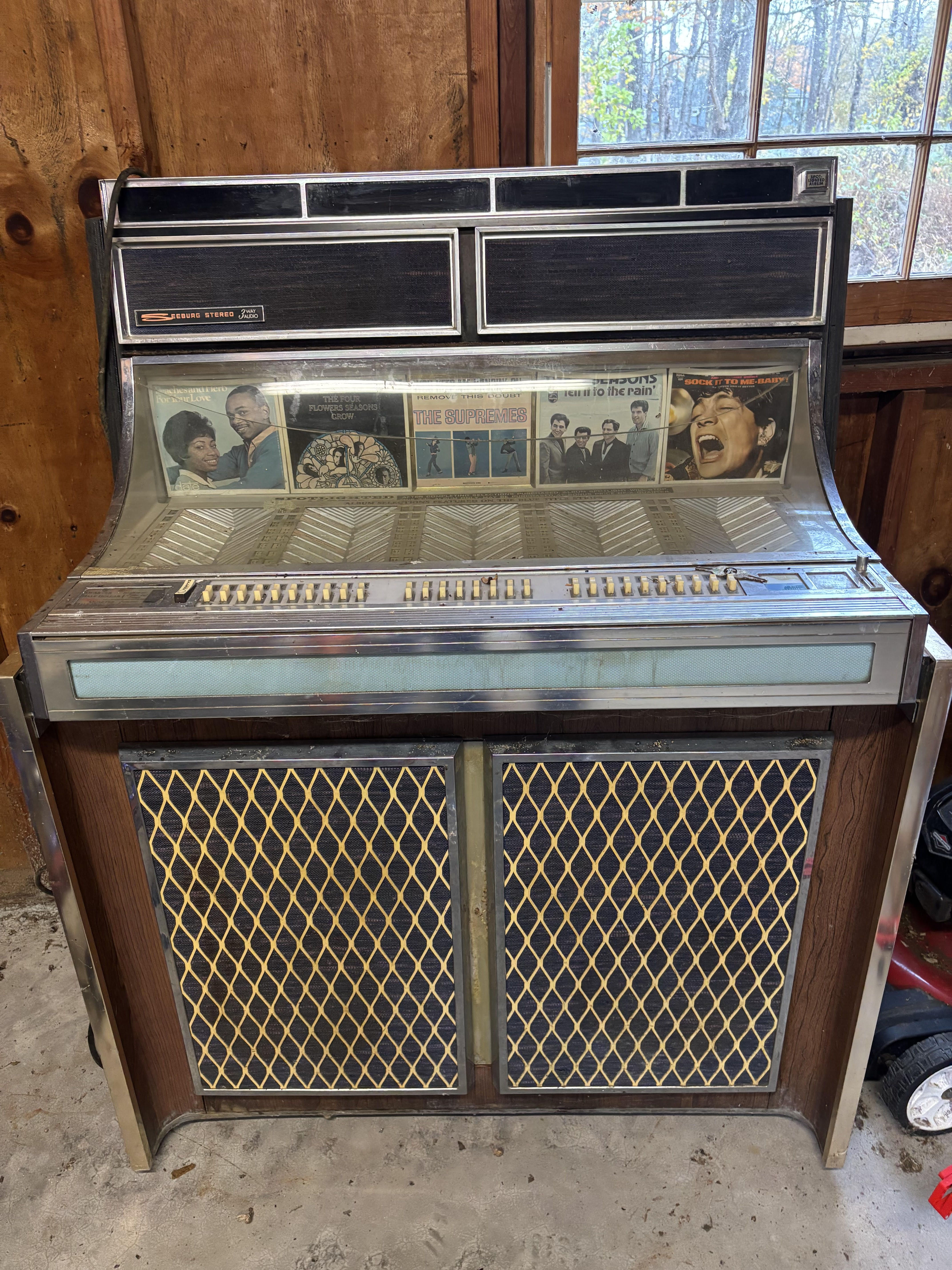
I graduated from college with a business degree and a marketing major, and I was always a huge music fan. Music was a big part of my upbringing, with lots of musicians in my family. Shout-out to my mom who got us a jukebox in my teens that I was completely obsessed with! When I got out of college, I was focused on either advertising or the music business.
I was editor of my college paper’s music section, so I had some understanding of how the industry worked, but not really. I had addresses from the back of albums, so I went to New York City and started showing up at those addresses, asking to see the head of marketing.
I got turned down everywhere except one place, Elektra. I didn’t get to meet the head of marketing, but I got to meet the President, Mike Bone. He explained that one day a year, as a way of giving back, he would see somebody random off the street. It was just my lucky day. I do that myself now as often as I am able to.
He told me about how the business worked, quizzed me on records I liked, what books I was reading, what movies I’d seen. He gave me great advice and said, “Everybody wants to work for a label, but it’s impossible to just come in off the street. You need to work in the periphery.”
“I got turned down everywhere except one place, Elektra.”
That led me to getting a job at Win Records, a distribution warehouse in Queens, as a phone salesman to record stores. Through that experience in sales, I gained an incredible understanding of how the business worked.
I had one account, Pier Platters in Hoboken, whose proprietor, Tom Prendergrast, also had a label called Bar/None Records. Their first band was They Might Be Giants and I helped Tom get their debut album into my accounts. We developed a friendship and he wanted to help me in my career.
Tom introduced me to Frank Riley, who ran a booking agency, and Frank introduced me to Roadrunner Records. I met with Doug Keogh and owner Cees Wessels, and 15 minutes into lunch, they offered me a job as head of sales and marketing.
Tell us about Roadrunner’s evolution into a metal powerhouse…
Cees was an ex-major label guy who started Roadrunner with no intention of making it a metal label. For instance, one of the first releases was a Jim Croce “best-of”.
When I started there in 1988, we had one notable act, King Diamond, who’d come from Mercyful Fate. We were tiny, maybe four people total in the US office. But we started having breakthrough acts like Sepultura, who sold millions of records around the world. They became two bands after Max Cavalera split. Sepultura continued with a different vocalist, and Max founded Soulfly. We had both.
By the time I left in 1992, we’d also put out Type O Negative, Fear Factory, Coal Chamber, and Machine Head. The label was really building.
You left for Polygram in 1992. What was that major label experience like?
I almost didn’t take the interview. I was very happy at Roadrunner and had this attitude about major labels from the indie community. But as soon as I interviewed with Jeff Jones, I knew I was going to go. Cees was very supportive. He thought it would be good for my experience.
I became the rock-focused marketing manager at what started as PolyGram Label Group and eventually became Island Records again. [After PolyGram’s acquisition of the previously independent Island Records, the combined entity took the Island name]. I gained an entirely different experience in the big game, the importance of radio airplay, these huge departments for radio promotion, artist development, video production.
Around me were albums coming out from U2 and Melissa Etheridge, all these huge hit acts. I was product manager for the Meat Puppets’ Too High to Die, which went gold and had a hit song on radio. We had the amazing fortune that Nirvana asked MTV if they could have Meat Puppets perform with them on MTV Unplugged. Kurt Cobain insisted it had to be three songs, not just one.
There’s a funny story about that taping. Curt Kirkwood, the lead singer from Meat Puppets, shows up ready to perform, and he’s like, “Oh man, I didn’t bring a pick.” I’m pretty sure he had someone in the audience flip him a quarter, and that’s what he played with during the taping.
I was also marketing manager for the first two Cranberries albums. When we signed them, they weren’t known anywhere even in Ireland. We really broke them in America first with Dreams and Linger, then it transferred back to their home territory, and then to the world which really gave me an education in the global music marketplace. Great experience, great band. I also got to work with Quicksand, a band who has had outsize influence on music even though they never quite broke through fully.
You returned to Roadrunner in 1996. What had changed?
My colleague Andrew Kronfeld had become head of marketing at Island, and Jeb Hart, my manager, had gone to Roadrunner as GM. Jeb kept calling me to come be Head of Marketing. Eventually I went back to Roadrunner, at first the culture wasn’t great, there was infighting. But we worked to fix that.
There’s a funny story about how I ended up going back. All these guys from Island were coming into my office, shutting the door, and saying, “Tell me everything you know about Roadrunner.” After like the fifth guy, I called Cees and was like, “What’s up? You’re hiring someone.” He said they were looking for a GM, and I recommended Jeb. Cees hired him right away.
About a month later, Jeb calls me and says, “I want you to come down here and be our head of marketing.” I was like, “No, I’m gonna go do something else.” But he was relentless. Eventually, Cees made me co-GM with Doug Keogh, and then in 1999, he made me President of the US company. I owe so much to Cees for believing so fully in me, not once, but twice.
By then, we had Slipknot really going, and we’d signed Nickelback, though they hadn’t exploded yet.
When we did Nickelback’s first record, it sold about 300,000 albums in the States, and we thought that was great.
But lead singer Chad Kroeger was disappointed because he felt they were so much better than bands they were touring with. He said, “I have to write more personally. That’s what’s going to affect people.”
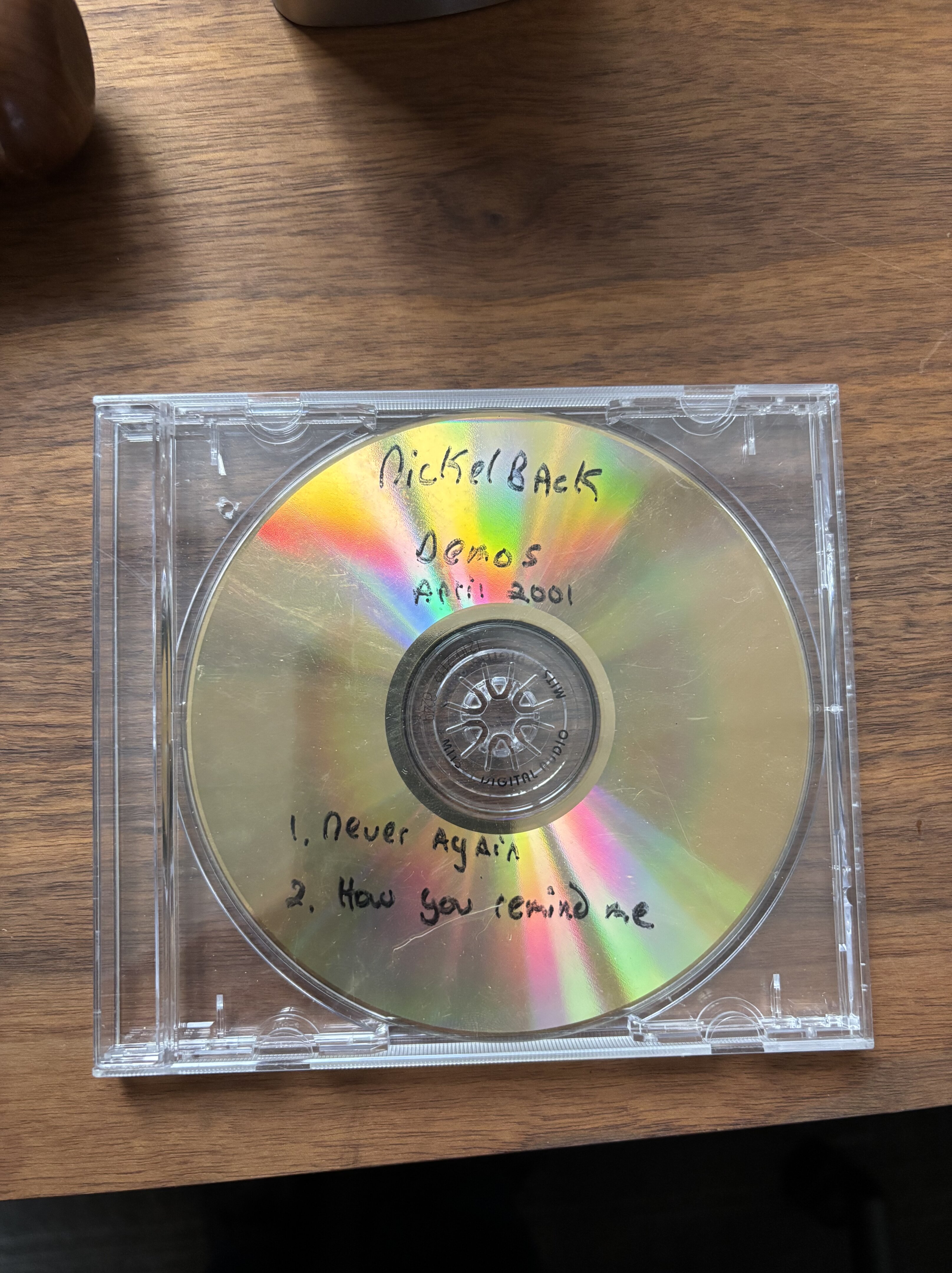
Ron Burman, our A&R guy, came into my office with the first two demos [for their second album]. The first was Never Again, then How You Remind Me came on, and we both looked at each other like, “Did we just hear it?” There was no delay, letting them go into the studio after that.
How did you navigate the label during the industry’s decline in the early 2000s?
It was bizarre because we had the two biggest rock acts going. Slipknot were arguably kings of the metal mountain, and Nickelback was just getting started with hits.
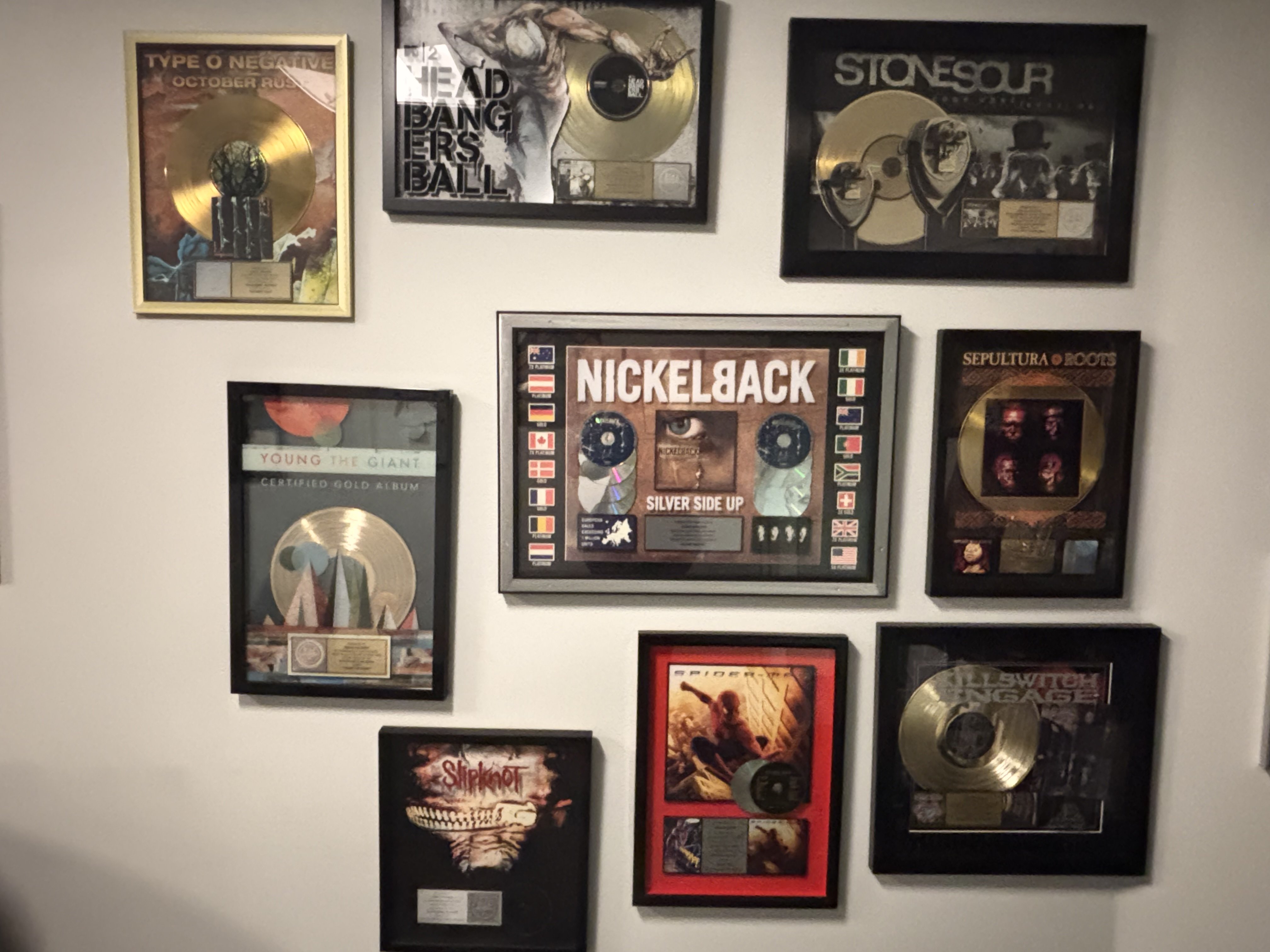
So we were doing incredibly well against the backdrop of industry downturn. Our timing was different than what was going on in the industry, so we were insulated from that.
“We were doing incredibly well against the backdrop of industry downturn.”
In 2001, a few months before Slipknot’s Iowa and Nickelback’s Silver Side Up came out, Cees sold a portion of the company to Universal. Lyor Cohen at Island Def Jam had initially bid on Roadrunner, then dropped out. But the rumor was that somebody got to him with How You Remind Me.
He heard it and said, “Go get us Roadrunner.” Lyor was a brand builder at Def Jam in their early days, so he inherently recognized Roadrunner’s brand value, as well as being able to hear and identify that hit song.
Silver Side Up entered at No.2 on the Billboard chart. We blamed Lyor for putting Jay-Z out the same day, which prevented the No.1 [laughs].
Nobody saw Nickelback coming. That record went on to sell 6 million in the US, and their third album was actually their biggest, diamond certified, over 10 million in the US. Unlike many American rock bands, Nickelback sold really well globally and toured successfully worldwide.
The second Slipknot album, Iowa, sold 280,000 copies in its first week, which, as one of the heaviest albums of all time, was an amazing success, followed by many more ahead.
What were the key signings during that era?
A&R was always very focused at Roadrunner. Monte Conner built the label on his A&R shoulders. He’s responsible for so many signings. Mike Gitter brought in Killswitch Engage and a number of other acts. Ron Burman signed Nickelback and Theory of a Deadman. We took A&R really seriously as a collective management group.
We were still mining the metal turf in significant ways. Trivium was a key signing; that band is still doing great. Killswitch [engage] broke through and is still going strong. Those early acts like Fear Factory and Machine Head continued to do well. We discovered Young the Giant, who had a gold record on their first album—people probably don’t realize that was a Roadrunner act.
We also licensed some Spinefarm bands for the States, both Nightwish and Dragonforce, who had the biggest song, the hardest song to play on Guitar Hero. Because their song was at the top of the ladder, they got mainstream exposure, like being on the Ellen show, and had huge success with Through the Fire and the Flames.
But one criticism might be that, because of Cees’s desire to become a bigger company, and with Nickelback’s success, the focus was maybe more on the mainstream. In retrospect, we could have leaned even more into metal and kept mining that.
We also did classic rock albums [from artists like] Lynyrd Skynyrd, Rush’s last album, Steve Miller, Lenny Kravitz, and Meatloaf, plus The Cult, Dream Theater, and The New York Dolls. We signed Korn and did one or two albums with them, and we did three albums with Megadeth.
Eventually, ownership changed hands again. How did that affect the direction?
Throughout Lyor’s tenure at Universal and Warners (Roadrunner eventually was sold and taken on by Warners under Cohen’s direction when he went there), the company was left untouched. In a lot of these situations, they would roll up certain departments, admin, sales, and marketing, but none of that was done. He, along with Julie Greenwald and Craig Kallman, really left us alone because they knew we were this organism. If you poked it, it might not be the same.
“You’re playing the major label game where you need a lot of hits, and that’s very hard to achieve consistently.”
Eventually, that dream came to an end because it was unsustainable. Some of those industry conditions eventually caught up to the company. Also, when you’re dependent on certain gigantic acts, that can become a problem for an independent label that’s grown to put more strength into the marketplace. You’re playing the major label game where you need a lot of hits, and that’s very hard to achieve consistently.
By 2012, Roadrunner was in a very different situation. Cees had left, Lyor had left Warner, and we’d let a number of people go. The A&R team was gone. I was sort of the last person standing, except for some of our promotion and marketing people plus the amazing flag bearer for the label Dave Rath. It was my time to go.
How did the opportunity to join Spinefarm come about?
I took a deep breath after leaving Roadrunner. I’d been working straight since my days at Win, so it was a pretty long run. I was still super passionate about the business and wanted to keep doing it, but I didn’t know exactly what.
Andrew Kronfeld, my former colleague from PolyGram, who I’d remained friendly with, kept telling me about Spinefarm. His career had really grown. He’d stayed at Universal throughout. He said, “We purchased this label years ago, the founder ended up leaving, and we’ve got Dante Bonutto doing things in the UK. We’re trying to sign bands but it’s been really hard.
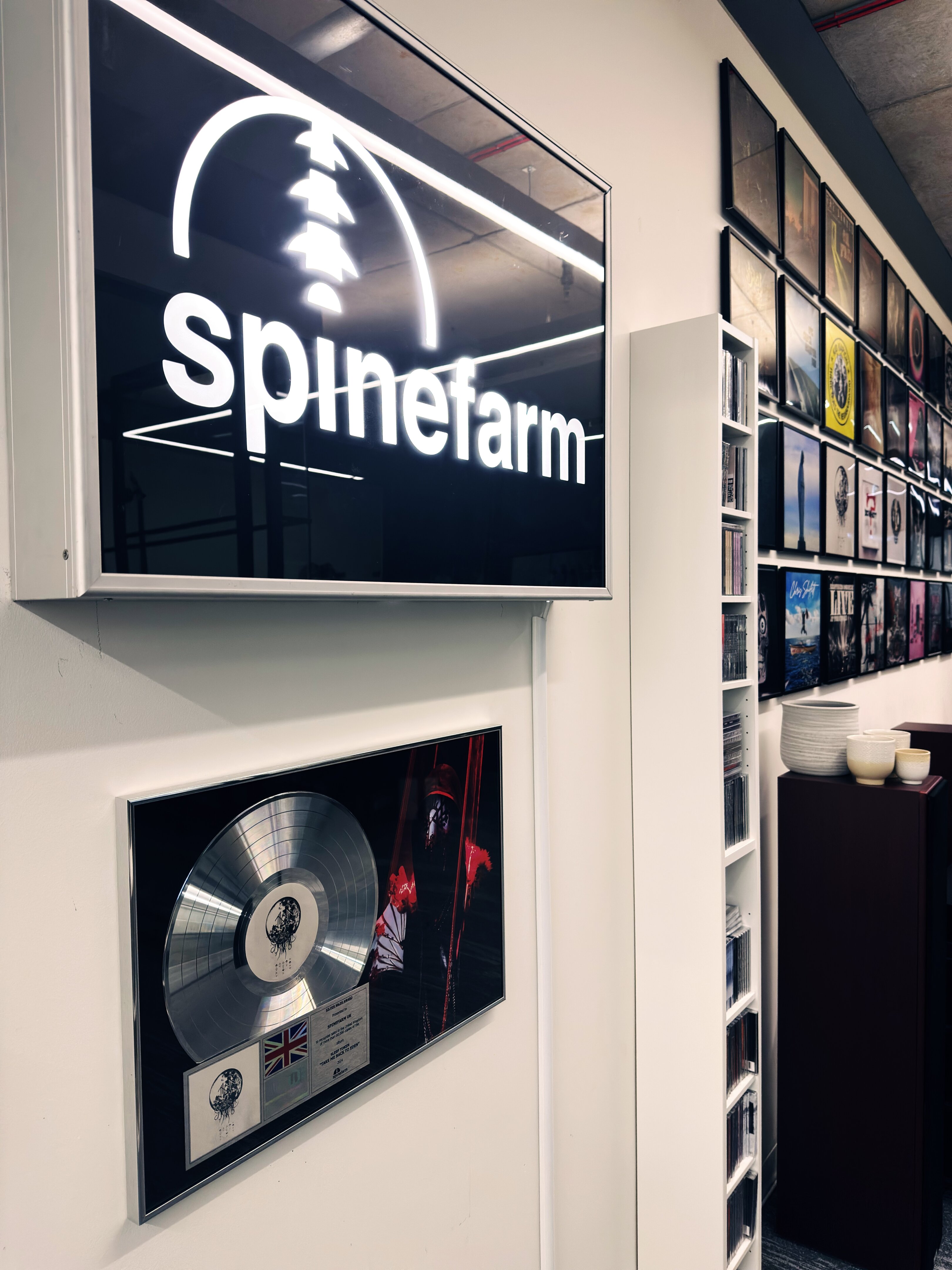
Andrew told me I’d have time and resource to build it out in my vision. I thought, “What an amazing opportunity to start over,” and I’d be able to work internationally. At Roadrunner, I was always the US president, but I was very connected to our international team.
Andrew would call me every month before I came aboard. “Here’s where I’m at, where are you at?” We kept talking and talking. Even while I was looking at other opportunities, I was like, “No, I’m definitely going to do this,” because I had a really good feeling about it based on Andrew’s consistency and my years-long respect for his honorable ways.
It’s proven over time to be the right decision, as Andrew and upper management at UMG have given me and our team ample time and resource to become what we are today.
What was your assessment when you joined Spinefarm?
It took time to meet people I would hire, to think about who I would hire, what positions we’d need. I built out the US team, all of whom are still with us today, which speaks volumes. They feel good enough to stay, and we feel good about them.
We have six people in the US now, five in the UK office with Dante [Bonutto], and one in Germany. Pretty economical, but mighty.
Since we didn’t have much repertoire initially, we took Finnish repertoire bands like Amaranthe under our wing as if they were ours. We had real global success with them and worked with the Finnish team as if they were our own. The origin story of Spinefarm is meaningful to people, and through my experience of Roadrunner, I knew you have to be respectful to culture.
Recently, [PIAS] coming in under Universal completed that circle to unite the modern and Finnish Spinefarm repertoire centers.. They made it so the label’s original Finnish repertoire is now part of one whole, so we have more opportunity to represent the entirety of Spinefarm, not just what’s been developed during my tenure, but also the heritage that includes Children of Bodom, Nightwish, and other important bands.
You mentioned your team in the various offices. Could you please highlight their roles at the company?
In the US, there’s Darren Dalessio (Head of A&R), Tim Brennan (Head of Marketing), Keenan Burgess, (Marketing Manager), and Jeffrey Kish (Head of Production/Digital Mktg/Logistics).
In the UK, there’s Dante Bonutto (Head of A&R and Snakefarm Label Head); Daniel P Carter (Director of Artist Development, worldwide); Tristan Pratt (Marketing Manager); and Leah Devine (Marketing Manager).
On the International side, there’s Maria Ouellette (Head of International Marketing), Lailah O’Donnell (UK and Global Publicity Head), and Rania Schwippert (Senior Manager International Marketing).
How did you approach establishing credibility with new signings?
We knew we needed brand-name band associations to have credibility. Early on, we developed a partnership with Raw Power Management and their Search and Destroy imprint. Through that, we were able to sign Bullet for My Valentine, While She Sleeps, and Atreyu.
Our mission was clear: we love these bands. We’re going to help them A&R their projects and put our total shoulder into marketing in markets where they’ve been big and markets they need to expand to.
Bullet have had very successful records with us. They recently went on a worldwide tour with Trivium, celebrating both bands’ respective first albums. Now Bullet are poised for an incredible record coming next year.
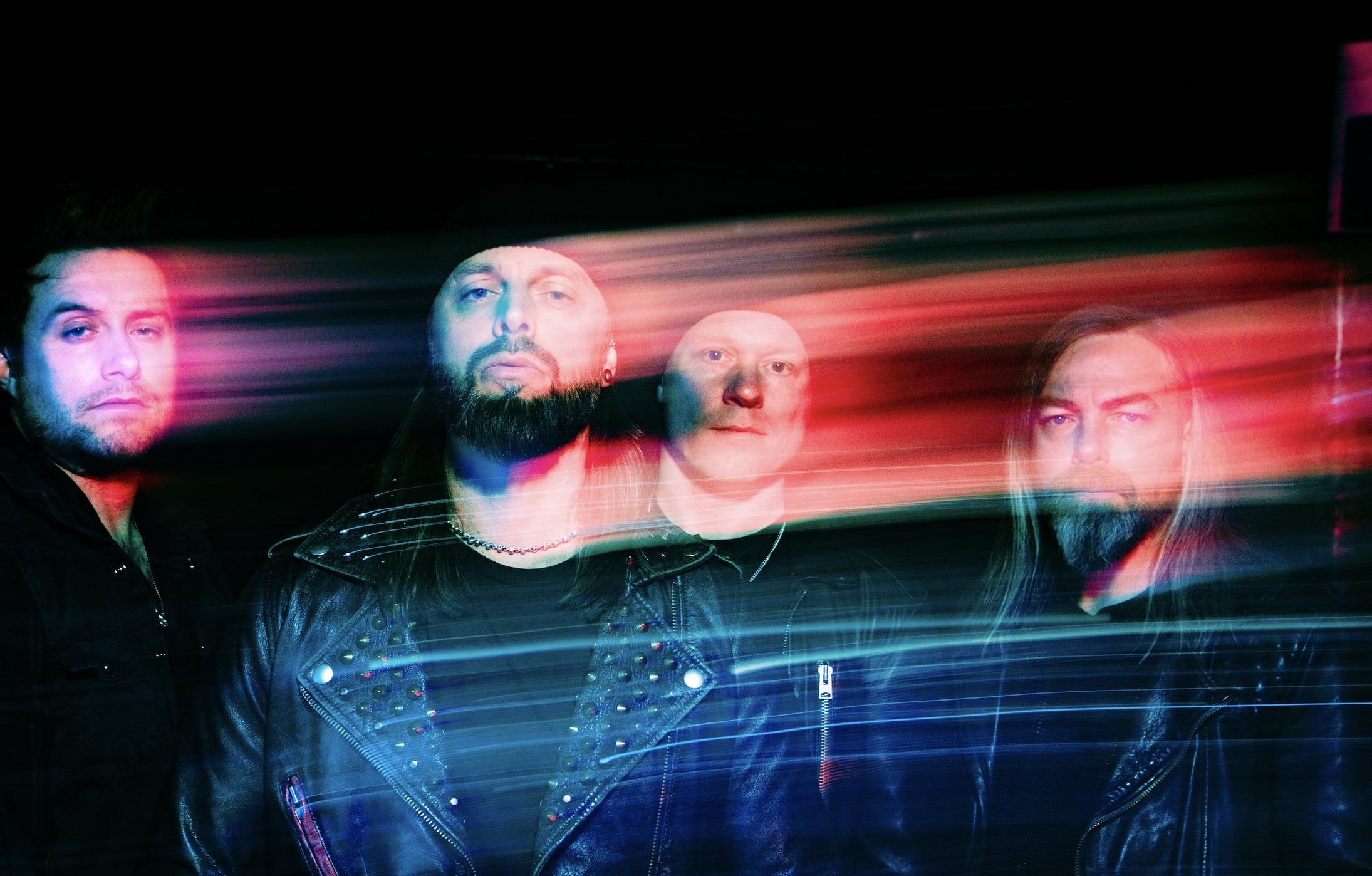
Atreyu had big records in the States and toured internationally. We wanted to help expand that. We were relentless in pushing them to US rock radio, and they’ve had top 10s again in their career. That’s really hard to bring back for bands with established names because they’re already thought of in a certain way.
We also signed Airbourne from Australia who I’d had previous success with at Roadrunner. We signed Black Label Society, Zakk Wylde, for international business, which we are very proud of.
We’ve had Killing Joke on the label for years, obviously a legendary UK act. About a year ago, we signed Black Veil Brides. Andy Biersack is an incredible frontman and person and BVB are poised to have an outstanding album release campaign next year..
Sleep Token seems to be a defining moment for modern Spinefarm.
I attended Download in 2018, seeing a number of acts with Dante [Bonutto], and I saw Sleep Token in a small tented area with a decent but not huge crowd. Halfway through their set, something just clicked in my brain, a real “holy shit” moment. It was all about the singer’s voice and the whole vibe.
I ended up delaying my trip back to the States for a few days because I had to meet the person behind it. They weren’t big at all then, but so special to me.
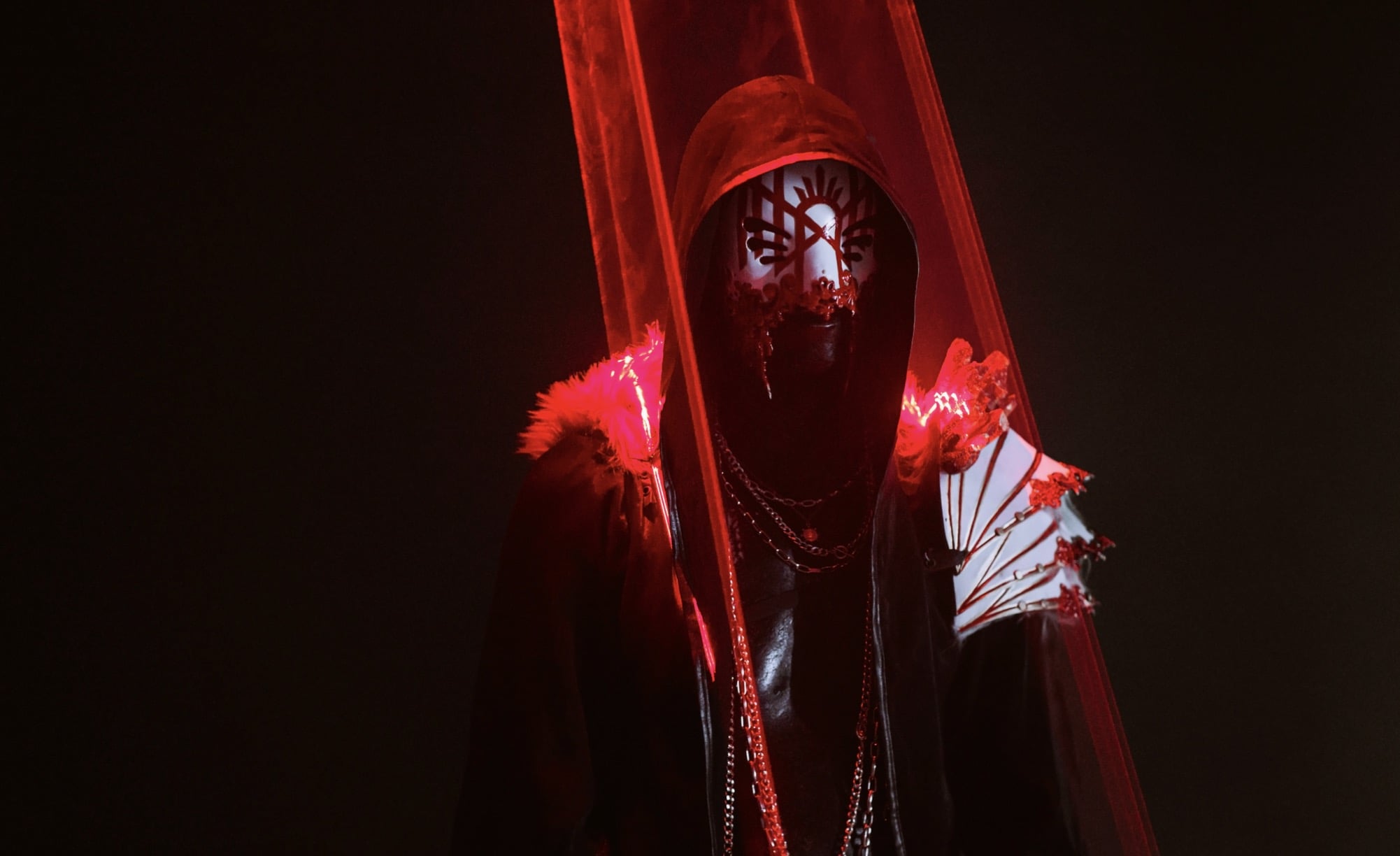
After a few months, we successfully decided to join forces. We ended up releasing three albums. The success they’ve had is very well known at this point. Take Me Back to Eden is on the precipice of being platinum in the States, plus certifications around the world. A billion streams across those three albums.
They’re not on our label anymore, but we’re so proud of what happened during those three albums. That’s what we’re trying to do, be with really special acts. Sleep Token is beyond metal, definitely, and emblematic of what we’re trying to do.
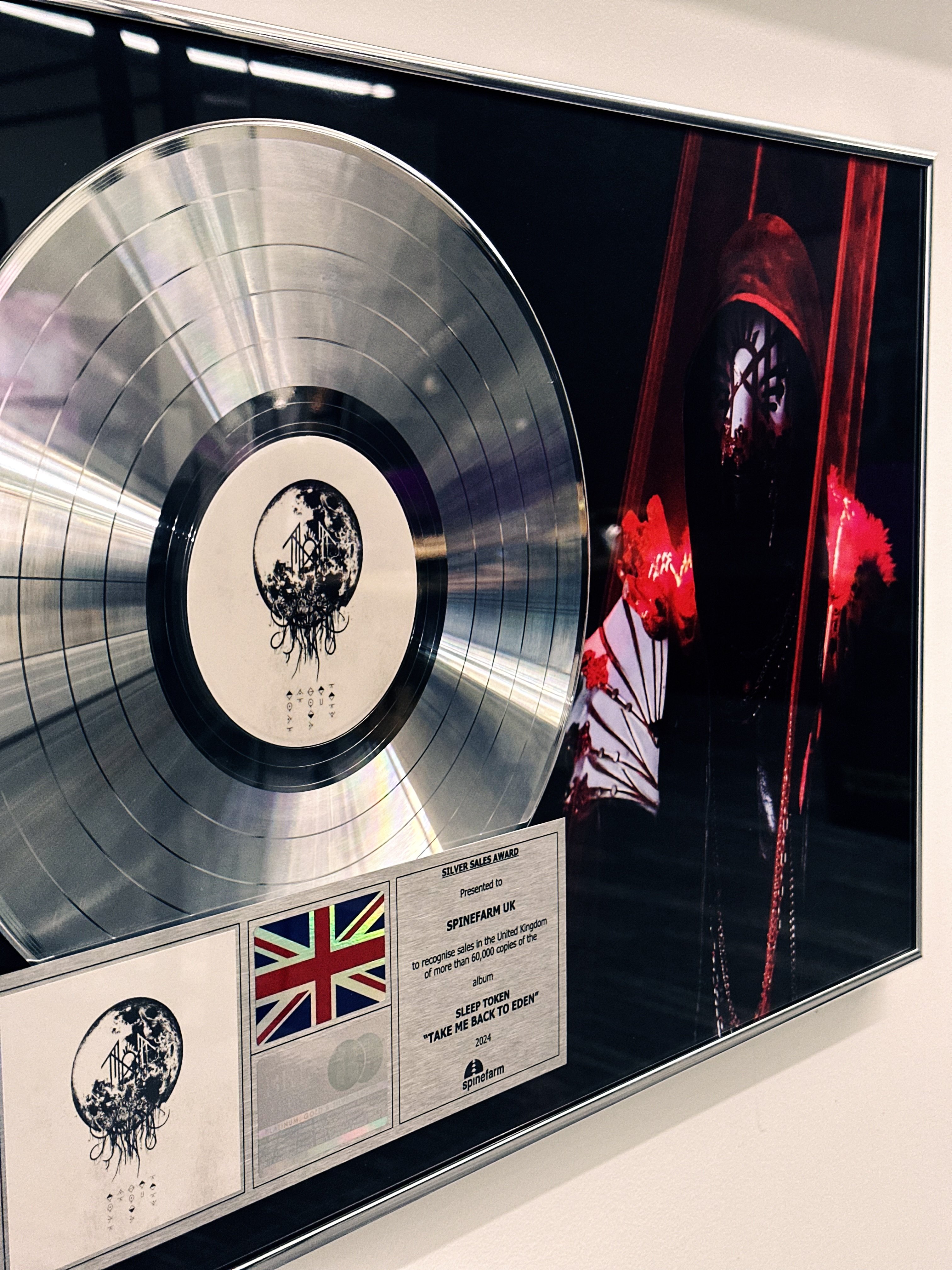
It happened over three albums, and it was even frustrating during the second album. I thought that was the album that was going to explode. If you go back and listen, it’s incredible.
People rediscovered it after the third one got so big. As a label person, you’re always wondering what you need to do to help put something over the top, but sometimes things just have to align. You do everything you can, but you can’t control the universe.
Dayseeker seems to be following a similar trajectory…
Dayseeker has been a band for 13 years, and we’ve been part of their career for 10 of those years, since Darren Dalessio signed them. The lead singer, Rory Rodriguez, has one of the greatest voices around. Amazing songs, amazing presentation, doing it from his heart. The band is incredible, and fans are reacting in kind.
I just saw them pack out a club in Louisville on the weekend of a major rock festival. People were screaming along to every song. There is nothing better for me in this business, if we can help give people that kind of connection, it reinforces what I’m doing.
It does take time. When a band signs to a label, it’s an ethical undertaking. We have to put our all in. Not everything succeeds. Most things don’t. That can be really hard to deal with and cause interpersonal challenges. These are people putting their lives on the line, and they want your help.
You’ve expanded into other genres with Snakefarm.
That was born out of Dante Bonutto’s passion for country music. A few years back, there was a band signed to a UMG label called The Cadillac Three, and Dante wanted to release their record under our banner in the UK. We had good success and helped get them festival appearances.
Dante wanted to do other signings, and I said I’d be supportive, but there’s no way that type of repertoire should sit on Spinefarm as that didn’t feel right. I told Dante to come up with a label name having the word ‘farm’ in it. One of Dante’s favorite songs is called “Snake Farm” so literally the next day a label was born.
Since then, it’s been incredible. We represent acts on MCA roster like Eric Church, Darius Rucker, Brothers Osborne, Josh Ross and many more.
We’re their UK label. Our direct signings include The Wildhearts, Lakeview (international), Kezia Gill, Austin Meade, the legend Marty Stuart, and Mark Morton from Lamb of God on a solo level. Mark has a southern rock heart and he’s explored that side on two albums with us. We are actively looking to sign more artists as the label grows.
How has your partnership with [PIAS] changed Spinefarm’s trajectory?
UMG entered into a strategic partnership with [PIAS] in 2022, and as part of that, it was decided that Spinefarm would be part of that partnership. They literally lifted us out of UMG, and all of a sudden, we’re associated with an organization we didn’t know previously.
It’s led by Kenny Gates and Edwin Schroter, who’s my main contact and huge supporter. It wasn’t easy, as we had to move all of our repertoire into a new distribution network, and there was a lot involved from both sides. But it starts with people, and Kenny and Edwin and everyone in that organization are such music people.
They’re so enthusiastic and supportive of our smallest acts to the biggest, celebrating our successes, helping us have success, talking about our signings, going to our shows. It’s been really successful and is a very significant and continuing part of our story.
There’s talk of a rock resurgence in mainstream culture. How do you view this?
We’ve always been here. These bands have been here. Rock is really healthy. Look at any statistic you want. It’s being exposed now through breakthrough successes like Ghost (we helped release/market Ghost internationally over their first few albums), and Sleep Token, and that’s good. You need leaders to inform a wider audience that something is happening.
However, it’s frustrating because this world, which is not even a genre, but rather a multitude of genres within rock, is really healthy around the globe. By some metrics, it’s the most popular music. Yet I feel it continues to struggle to be respected enough by the industry at large.
“Create space for music that people love.”
Mainstream opportunities aren’t the same as they were. Pop radio play for rock acts, awards shows – when’s the last time a rock award was given out on the US Grammys on television for instance? It’s like it doesn’t exist, but it really does in the hearts and minds of millions globally.
I’m in Louisville today with 75,000 people at DWP’s Louder Than Life. Danny Wimmer’s rock festivals are consistently sold out and always huge. Same in the UK with Download, [and others]. These festivals draw gigantic numbers. On streaming, Spotify, Apple, YouTube and others know rock is happening in a big way.
Gatekeepers have a role. When statistics show the health of the rock world and bands breaking through, they should consider it more for significant exposure opportunities, like award shows. Create space for music that people love.
What does success look like for Spinefarm moving forward?
We want to be the label that provides bands the best label experience they’ll ever have. These days, artists have to be so many things, write great songs, record them, perform live, become social media experts, find viral moments. I don’t know how they do it.
“We are very motivated to continue to build Spinefarm into an outstanding rock destination for artists.”
But with around 100,000 tracks being uploaded daily to streaming services [a day], having a supportive, creative, and aspirational label like ours has never been more important to an artist, in my opinion. We’re always there. Having someone always working for you.
Alongside good management, booking agency, publisher and others, a label who is in the modern world, navigating all the little and big puzzle pieces with consistency and passion is a very necessary element for an artist to achieve their goals.
With the new [PIAS] Label Group team behind us, we feel very well equipped to lead our roster into the future, and we are very motivated to continue to build Spinefarm into an outstanding rock destination for artists.
Music Business Worldwide