SoundCloud is teaming up with Auracles, a digital identity platform founded by Grammy-winning artist Imogen Heap, to offer “clarity, protection, and creative autonomy” to artists in the digital world.
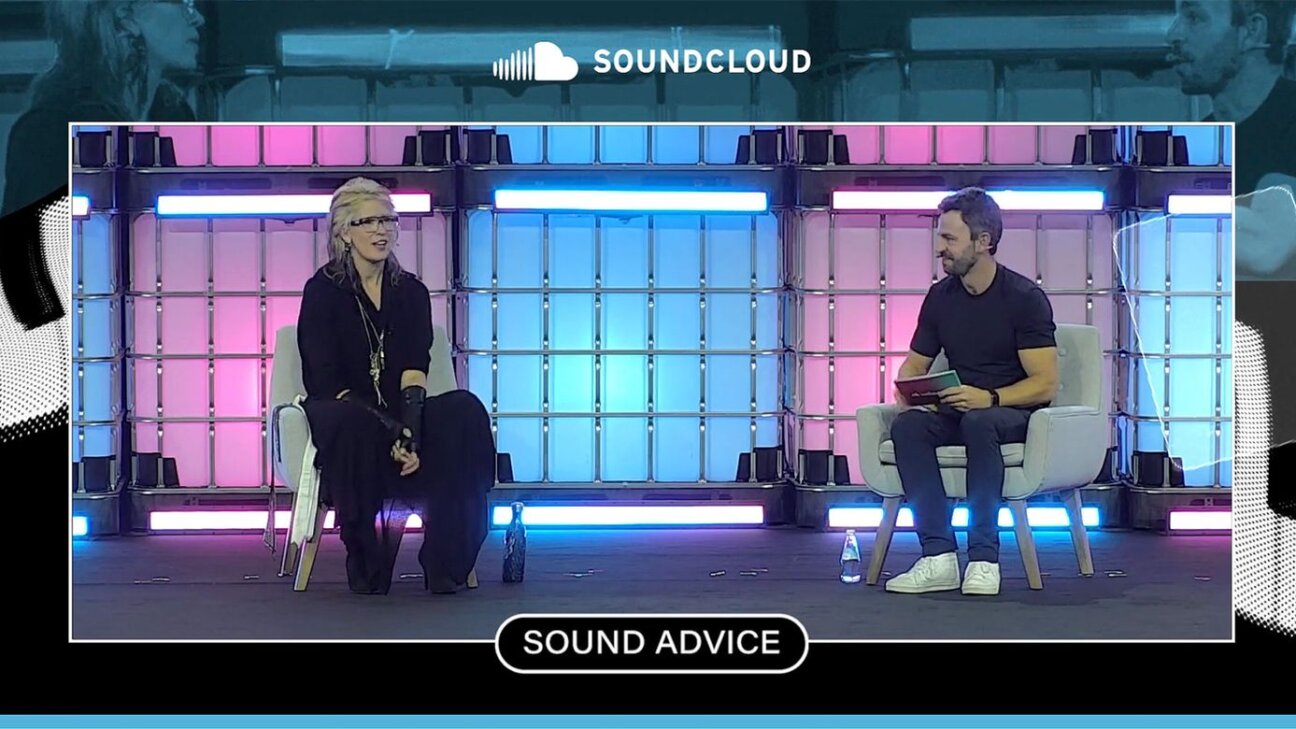
The collaboration was announced alongside the release of a live podcast at Web Summit in Lisbon last month featuring Heap and SoundCloud CEO Eliah Seton.
The integration brings Auracles into SoundCloud’s Benefits Partner Program, allowing artists to connect their SoundCloud profiles directly to Auracles, import music projects between the two platforms.
Through the integration, artists will be able to access all of their metadata, stems, press releases, assets, event listings, bios, IDs, contact information and more in a single platform, according to a dedicated webpage for the partnership.
Commenting on the partnership, Heap said: “I am very excited to be working with Eliah and his team on this game-changing collaboration with SoundCloud and Auracles. We believe in the simple vision of promoting and enabling artist sustainability… This partnership is an essential step in delivering the missing layer we’ve envisioned for many years, to kickstart the future marketplace—one artist and one song at a time.
“A home for songs. Songs as a service. It’s the only way we all get individually what we want… This is just the beginning of our relationship with SoundCloud, and I really look forward to seeing what’s ahead.”
“A home for songs. Songs as a service. It’s the only way we all get individually what we want…”
Imogen Heap
SoundCloud said Heap has spent over a decade building tools to help artists maintain ownership of their creative information, starting with her research hub Mycelia, before launching Auracles.
Auracles functions as what Heap calls a “sovereign digital ID” for artists, allowing them to “protect, manage, and control their work in an increasingly complex digital landscape.”
During the Web Summit, Heap and Seton also discussed the artist’s experiments with fan interaction, including fan-submitted audio on The Song That Never Was, her wearable musical instrument called the MiMU Gloves, and her virtual AI assistant, AI.Mogen.
“This partnership is an essential step in delivering the missing layer we’ve envisioned for many years, to kickstart the future marketplace—one artist and one song at a time.”
Imogen Heap
The SoundCloud and Auracles partnership comes amid the increasing use of AI in the music industry. Last month, French streaming platform Deezer revealed that fully AI-generated music now accounts for 34%, or over 50,000, of all tracks uploaded to its platform each day.
AI music generators Suno and Udio, once targeted by major labels for “mass infringement” of copyright, have already settled lawsuits with the majors and struck licensing deals.
Three weeks ago, Warner Music Group struck what it calls a “first-of-its-kind partnership” with Suno, claiming the deal will “open new frontiers in music creation, interaction, and discovery, while both compensating and protecting artists, songwriters, and the wider creative community”.
That deal came just a week after WMG also settled its lawsuit with Udio and struck a licensing deal with the company for ‘next-generation’ AI music platform coming in 2026.
Universal Music Group also settled with Udio in October, in addition to signing a deal for a licensed AI music platform set to launch in 2026.
As MBW previously reported, entities such as Denmark’s Koda and Germany’s GEMA, continue to pursue copyright claims against Suno.
For SoundCloud, its Auracles partnership comes nearly two years after the company faced backlash over a policy update in February 2024 which stated: “You explicitly agree that your Content may be used to inform, train, develop or serve as input to artificial intelligence or machine intelligence technologies or services as part of and for providing the services”.
The company’s choice of language drew fierce criticism from artists and prominent AI experts alike, such as Ed Newton-Rex, founder of the non-profit Fairly Trained.
In May of this year, Seton announced that SoundCloud is updating the troublesome text in its Terms of Use, saying the new adjustments “make it absolutely clear” that SoundCloud “will not” use artists’ content to “train generative AI models that aim to replicate or synthesize your voice, music, or likeness”.
Music Business Worldwide