Live Nation Entertainment has confirmed details of its settlement with the US Department of Justice in the antitrust lawsuit that had threatened to break up the company. The deal allows Live Nation to retain ownership of its ticketing subsidiary Ticketmaster.
The settlement, first reported by Politico on Monday (March 9), comes around a week into a trial that had been expected to last five to six weeks.
The company said in a press release on Monday that the settlement “resolves all remaining matters with the DOJ, without any admission of wrongdoing”, and will be reflected in a final proposed judgment submitted to the court for approval. Live Nation noted that a portion of the original claims were dismissed by the court before trial began.
The US Department of Justice sued Live Nation and Ticketmaster in May 2024, joined by attorneys general from dozens of states and the District of Columbia. They accused the company of “monopolization and other unlawful conduct that thwarts competition in markets across the live entertainment industry.”
Live Nation says it has created a $280 million fund to address damages claims brought by the states involved in the lawsuit. The company noted in its press release that the settlement “does not settle the claims of all plaintiffs in the lawsuit.”
Under the terms of the deal, Live Nation will be “divesting its 13 exclusive booking agreements with amphitheaters nationwide.”
The company said “all owned and operated amphitheaters will continue to be operated by Live Nation” as what it describes as “open venues”, with promoters able to decide how best to distribute “up to 50% of the tickets”, and “capping ticketing service fees at 15%.”
Live Nation said this will promote competition and maximise show volume.
In ticketing, Ticketmaster will be providing both exclusive and non-exclusive ticketing proposals to all major concert venues.
According to Live Nation, this “preserves the rights of venues to seek the type of contracts they preferred over the years while providing the government with restrictions to mitigate their concerns.” Venues that choose to do so may also distribute “some portion” of their tickets through other primary ticketing marketplaces.
The settlement includes “an eight-year extension of the company’s consent decree with the DOJ, including retaliation and conditioning terms”, which the company said will provide venues “ongoing comfort the company does not condone such behavior.”
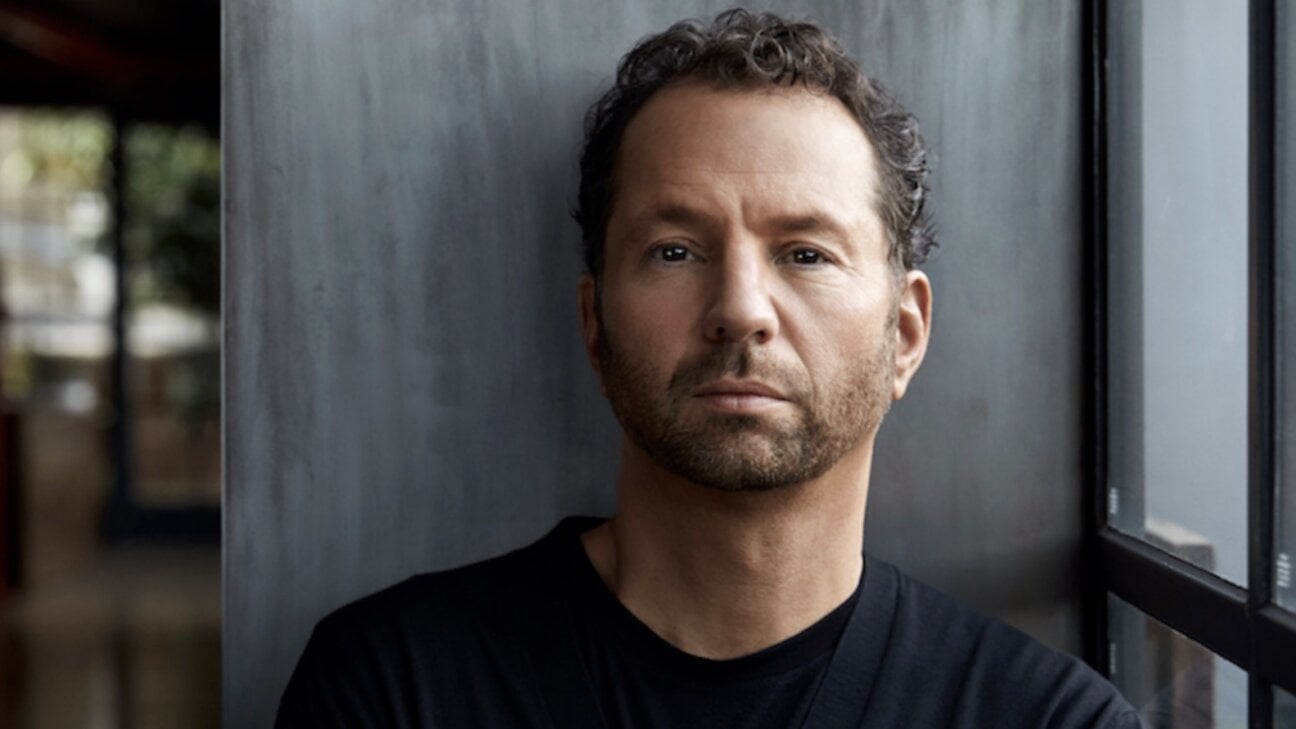
Live Nation President and CEO Michael Rapino said in the press release: “Today marks a major step in improving the concert experience for artists and fans throughout the United States. Live Nation is proud to lead the way enhancing this experience with our amphitheaters, which will be open to all promoters, allowing these promoters to decide how best to distribute up to 50% of the tickets, and capping ticketing service fees at 15%.
“By giving artists greater flexibility in choosing their promotional partners and ticketing strategy while also keeping the cost of a concert more affordable for fans, we are putting more power where it should be – with artists and fans.”
Rapino added: “We have never relied on exclusivity to drive our ticketing business, it has simply been the result of having the best products, services and people in the industry. We are happy to take greater steps to empower artists and venues in their ticketing decisions, and are confident we will continue to succeed on the quality of what we deliver.”
“We have never relied on exclusivity to drive our ticketing business, it has simply been the result of having the best products, services and people in the industry.”
Michael Rapino, Live Nation
However, the settlement has been rejected by a number of the states that had joined the original lawsuit.
New York Attorney General Letitia James said in a statement on Monday that the settlement “fails to address the monopoly at the center of this case, and would benefit Live Nation at the expense of consumers.”
James added: “My attorney general colleagues and I have a strong case against Live Nation, and we will continue our lawsuit to protect consumers and restore fair competition to the live entertainment industry.”
New Jersey Attorney General Jennifer Davenport echoed the sentiment, saying: “The settlement recently announced does not adequately remedy the harms to the marketplace for live music and to concertgoers caused by Live Nation. We are willing and able to stand with other partner states to continue litigating this case without the federal government.”
The attorneys general of 26 states and the District of Columbia have confirmed they will continue the case against Live Nation without the DOJ. The group has filed a motion for a mistrial, arguing that the states are entitled to a fair trial independent of the federal government’s settlement.
The states continuing the lawsuit are Arizona, California, Colorado, Connecticut, Illinois, Kansas, Maryland, Massachusetts, Michigan, Minnesota, Nevada, New Hampshire, New Jersey, New Mexico, New York, North Carolina, Ohio, Pennsylvania, Rhode Island, Tennessee, Utah, Vermont, Virginia, Washington, Wisconsin, Wyoming, and the District of Columbia.
Music Business Worldwide