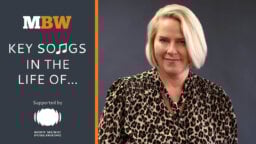
MBW’s Key Songs In The Life Of… is a series in which we ask influential music industry figures about the tracks that have – so far – defined their journey and their existence. This time, it’s the turn of Warner Chappell’s UK MD Shani Gonzales to agonise (and possibly cheat, just a bit) over the five songs that have meant the most to her…
Anative New Yorker, Shani Gonzales is now based in London as MD of Warner Chappell UK.
It is her second stint at the publisher, having been part of its Stateside A&R team nearly 20 years ago. In the intervening years she enjoyed successful spells at Epic, Def Jam and BMG.
Throughout her career she has signed, developed and worked with an impressive array of artists, writers and producers including DJ Khaled, Juice Wrld, Labrinth, Justin Bieber, Claude Kelly, MeLo-X, Nate Cyphert, Poo Bear, P2J, Travis Scott and WondaGurl.
Asked to reflect on the role five specific songs (spoiler: she slips in six) and music in general has played in her life so far, she says: “I don’t remember a time when music wasn’t a dominant part of my life.
“Both of my parents are West Indian; my father is from Trinidad, my mother is from Jamaica. And I think that music was always a connection back to where they were from – and one of the most important ways to teach me about their culture, which was also my culture.
“They would play a lot of calypso, a lot of reggae, a lot of Fela Kuti. They played music that was important at the time. Music doesn’t have to be that, and of course we played music for fun, but quite often my father would play records and sort of talk through what was happening in them.
“There was also a Caribbean AM station in New York, and when my mother was cleaning the house on a Saturday morning, and I was doing whichever chores I’d been given, that’s what we’d always listen to. My parents were kind of weirdos, but they celebrated me being a weirdo, so I’m super happy with that!”
As for her selection process: “I tried to be as honest with myself as possible. Talking about music to a music industry audience is kind of intimidating. I was chatting about this to a friend last night and I told them I was really tempted to include Girl You Know It’s True by Milli Vanilli. She said, ‘God no, you’ll get laughed out of the room!’”
Rob and Fab, then, do not make the cut. And, to be fair, they would rather have stood out in a list that includes some of the most acclaimed artists in the history of the business – and in Gonzales’s formative years.
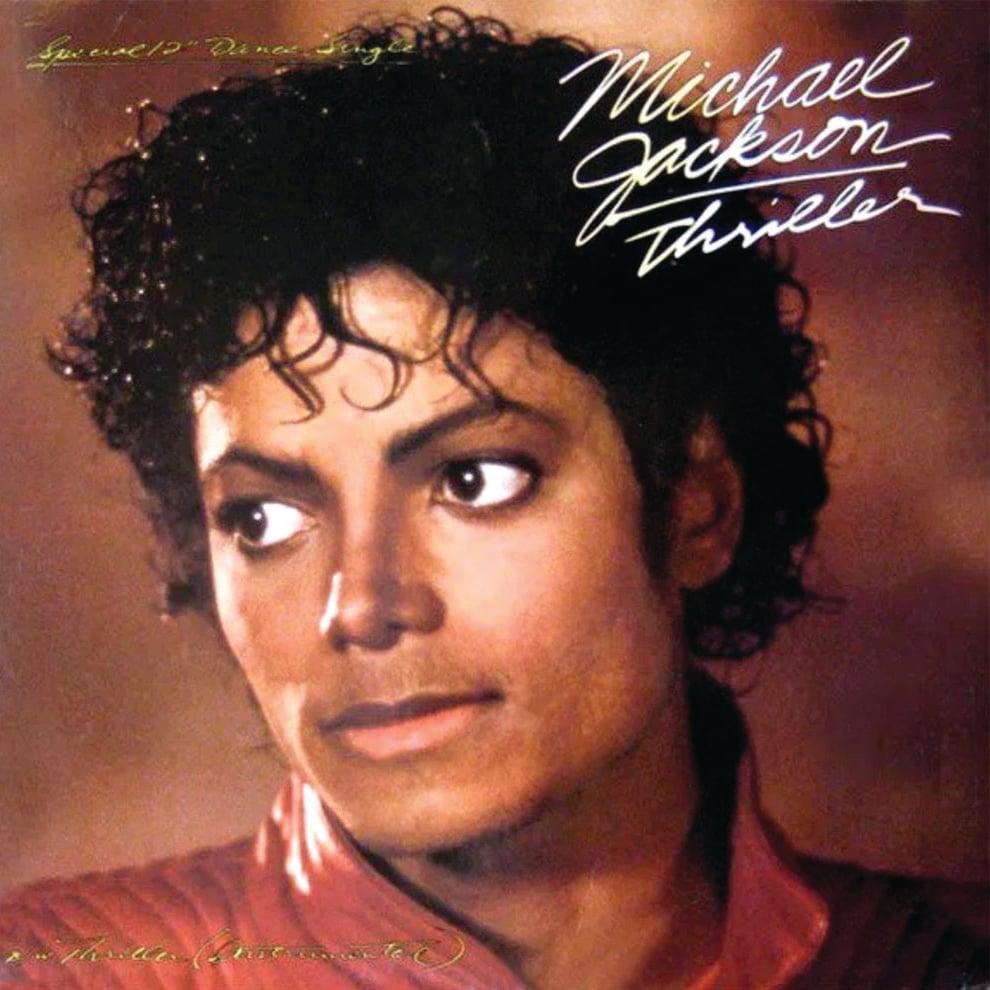
1. Michael Jackson, Thriller (1982)
It’s funny because I obviously wasn’t around when it was released, but for me this was the song that made me understand that music could completely change your emotions; it terrified me.
My father would put it on all the time when I was four or five and really obsessed with Michael Jackson. But I just could not listen to the beginning. I didn’t understand how Michael Jackson, who was almost like a Disney character, could also be so scary!
Part of me obviously also liked it; it made me feel something. It was music that provoked a strong reaction and it was music that could change your mood, put you in a different space, and I have always loved that.
It’s also the first personal interaction that I had with music, because I remember asking my father to play it. That’s one of the reasons I picked it; it’s a very personal choice for me.
We publish [Thriller’s sole writer] Rod Temperton. He’s sadly passed away now, but I speak to [his widow] Kathy, and the stories that she’s told me about that song and about him. I mean, they’re not my stories to tell, but wow, what an incredible man.
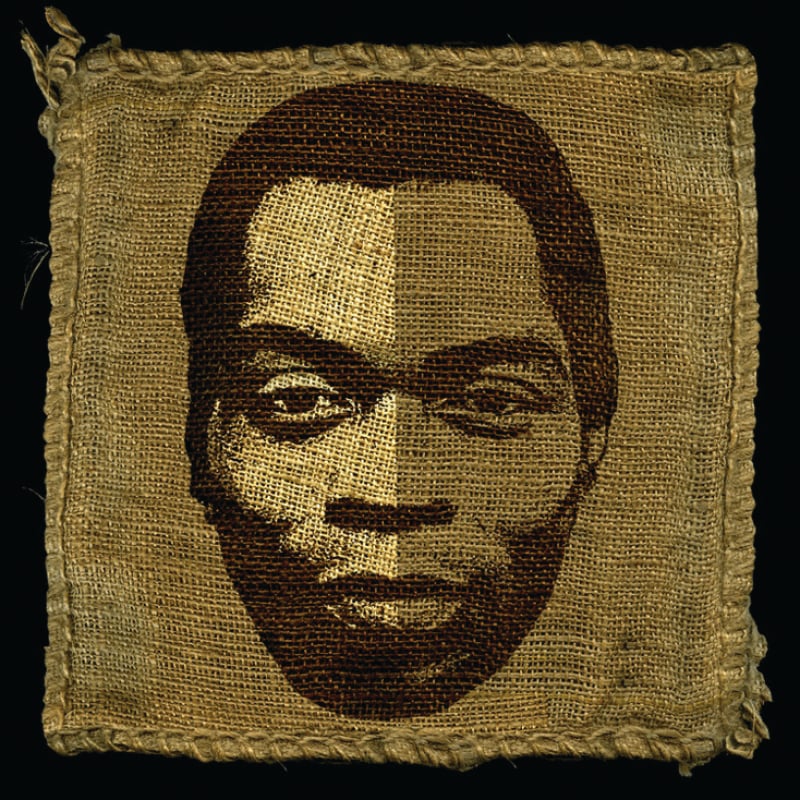
2. Fela Kuti, Water No Get Enemy (1975)
I grew up in a very political household. Actually, maybe political isn’t the right word, more like a very conscious household.
There were issues that were important to my parents and there were also some important voices in music. There was Bob Marley, of course, and my dad always told me that Fela Kuti was the Bob Marley of Africa.
Music provided teaching moments in our house. Not all the time, of course, but they would talk about what it meant to be a person of colour from the Caribbean, moving to a new country, what it meant to be successful, how hard I would have to work. They used music as a starting point for various conversations.
They made sure that they supplemented my school education with another education, one that would be important to me, a woman of colour. And some of that came through music, through artists such as Fela Kuti.
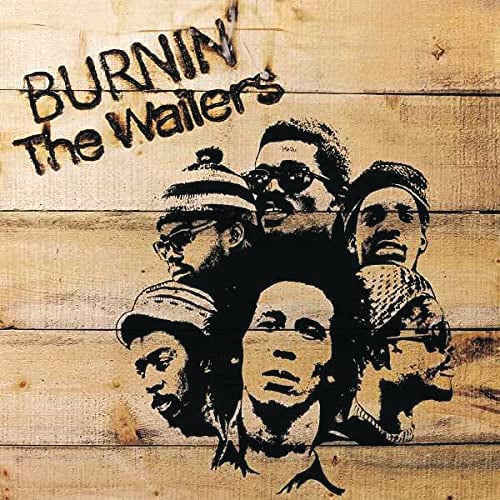
3. Small Axe, Bob Marley (1973)
This goes hand-in-hand with the Fela Kuti track – the meaning and the narrative, it’s part of the same conversation.
Bob Marley is obviously one of the most important artists of our time. But also, for us, the fact that he was Jamaican, that he was exporting Caribbean culture and Jamaican culture to the world, and being unapologetically black, this was a huge voice.
The sentiment of Small Axe is extremely emotive and I remember having it explained to me when I was like seven years old: ‘A small axe can cut down a big tree, do you see what Bob’s saying?’ I felt really sophisticated [laughs].
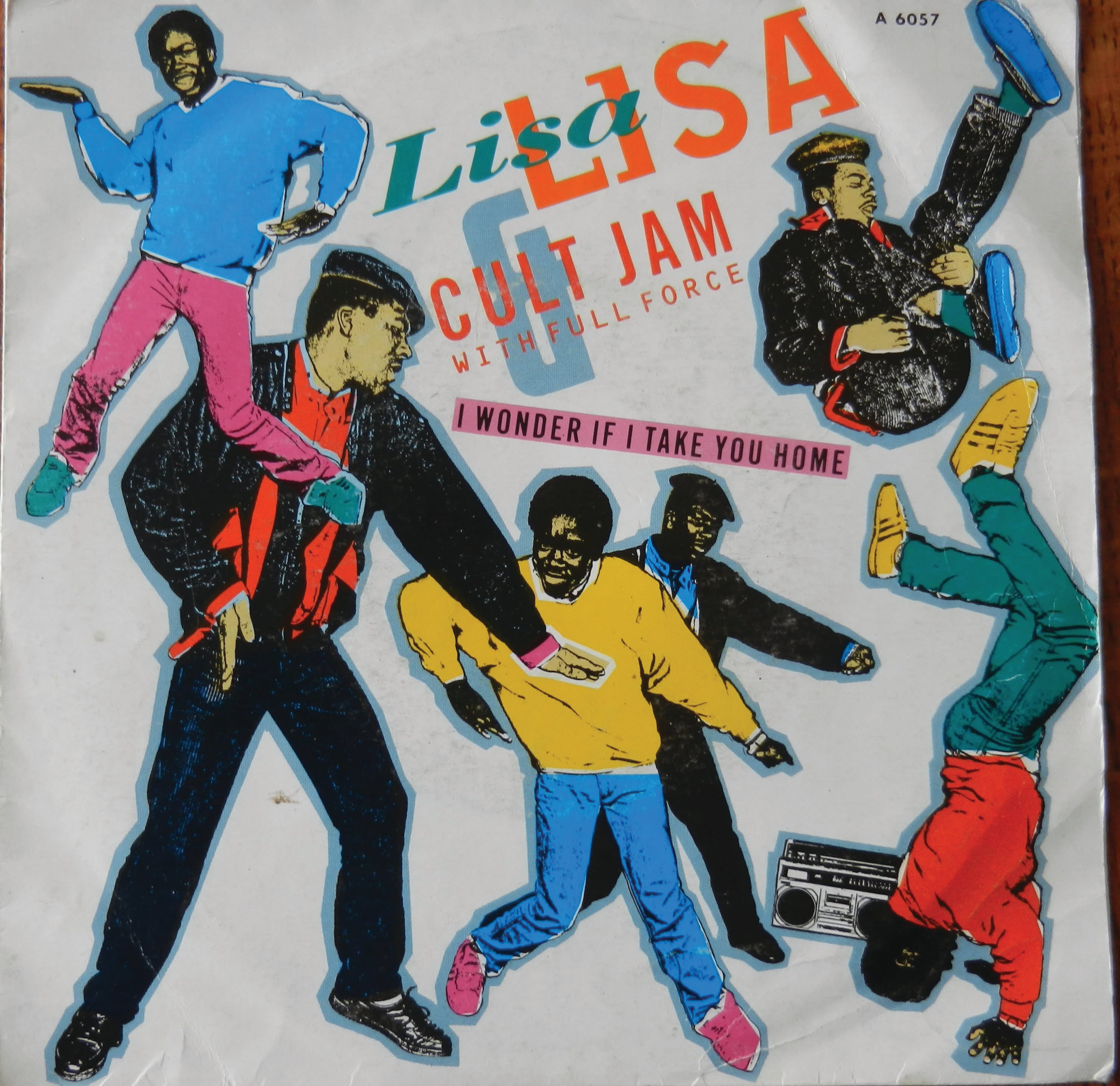
4. Lisa Lisa and Cult Jam, I Wonder If I Take You Home (1984)
I’ve gone for this because this is New York. This is the sound of New York when I was growing up, it’s the heart and soul of New York and I’m not sure anyone who isn’t from New York realises how everything melds together to create a sound like this.
This is also the sound of the skating rink, which was just the coolest place to hang out and have your parties from the age of about seven to 12. This is where you’d hear records like this and they created very New York moments.
I think most people identify New York through rap, but for me, this was it, this was, ‘I’m from New York and this is what we do here.’
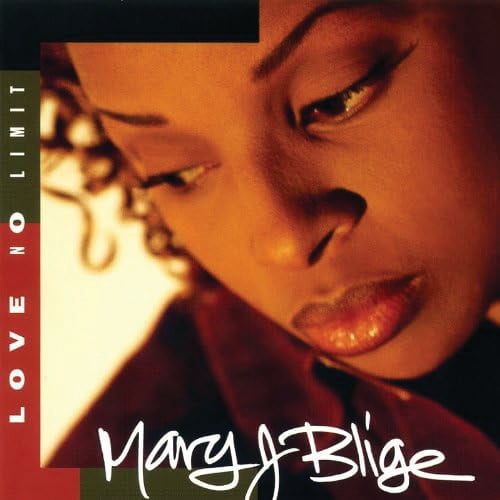
5. Mary J. Blige, Love No Limit (1993)
This is the version from the [What’s The 411] Remix album and it was part of a hugely important sea-change for Black music.
And it was another New York moment. It was Uptown Records, it was Puffy and Andre Harrell. They were young and fresh and everything that they were doing was ruling radio; that was all you heard.
I had never heard or seen anything like Mary J. Blige in my life. She kind of looked like a rapper, but she was actually this amazing singer. The song itself samples another great track, Risin’ to the Top by Keni Burke.
But mainly it was these younger artists, producers and executives who were coming through to change the way Black music sounded, how it was consumed and how it was understood. I was absolutely enthralled.
Later, when I was in the business, I got to work with Mary and hearing her talk about her early career is hysterical. She obviously was so ‘in it’ that she wasn’t aware of what it meant.
She said how funny it is, because she always hears how influential she was to people, to artists who are now huge stars themselves, and she just can’t even fathom that.
6. Florida Georgia Line, H.O.L.Y. (2016)
This last one is a song that changed my career. It was different music for me, but it intrigued me.
I was working with a songwriter called Nate Cyphert, who is a co-writer on the track, and when it got placed with Florida Georgia Line, I was like, ‘Georgia what? Florida who? What’s the name of this band again?’ And then how stupid do I feel when it ends up becoming a massive record!
This whole project taught me a lot about how to curate rooms, how to look at music, how to push people to go where they maybe feel uncomfortable and see if they find magic there.
I always knew the world was big, but this was a nice moment to feel, OK, you can do far more than there is in the boxes you’ve been allowed to play in so far.
Music is music, and music is universal. We all need to be thinking out of the box at all times, executives as much as artists.
Cream rises to the top no matter where it is. If you put an amazing writer with an amazing artist and an amazing producer, it will work, and it doesn’t matter what that combination looks like.