
A great many lives and careers have sliding-doors moments – pivot points that can take our protagonist in one of two very different directions.
In fact, it’s a phrase and phenomenon that is so common it’s often avoided as being something of a cliché. With Ammo Talwar, however, and the leap of faith that led him into the music industry, there’s no danger of that; he just has to describe what actually happened.
Looking back to his adolescence in early-nineties Birmingham, he says: “I suppose, fundamentally, it was my brother’s fault. I actually graduated in civil engineering. I used to design high-security doors for prisons and hospitals. You’ll always need doors, I thought…
“My brother, meanwhile, was managing an artist called Apache Indian, touring the world with an entourage. I had a choice: keep on making doors, or take a chance on a bit of that excitement. So I started Punch Records, a shop heavily influenced by the culture around me.” A career in doors slid away, a life in music opened up.
The music in Talwar’s childhood home was “very spiritual, quite religious”. So what he listened to with his friends was “a form of rebellion”. It included the early Electro compilations, James Brown, Motown and, at school, mainly reggae.
His more tangible rebellion, ditching a ‘proper’ job to open a record shop, didn’t, however, hit as hard as he expected. “Initially my parents were fine. For the first year they thought I was selling bhangra! They saw me as staying in the culture, running a business.”
Talwar grew up in Aston, a district he describes as having a similar story and cultural outlook as places like nearby Handsworth, Brixton, St Pauls, Toxteth and Chapeltown. “But Birmingham’s streets felt more mixed to us at the time. We had racism, we had oppression, but I think our generation was divided more on class rather than race or religion.
“The Asian community, the Black community, the white community; diversity just felt natural. Like the way we used to move from, I don’t know, roti to jerk chicken to fish and chips. So I suppose it was natural that we would listen to a mix of musical genres; it felt quite fluid rather than forced.”
Talwar is proud of – and inspired by – the city where he grew up and still lives. And by a handful of influential figures from the generation before him that shaped Birmingham’s (and the UK’s) Black music scene.
He says: “There was a kind of uptown/downtown split, like the difference between, say, Brixton and the West End. The uptown clubs were more commercial; the community scene was more creative. Our clubs and venues were in the communities, that’s where the new sounds were developed and celebrated.
“Then came the real heroes – the first DJs, promoters, producers and managers to really bridge those scenes. I’m thinking of guys like Mambo Sharma, Shaun Williams, Erskine Thompson and Lloyd Blake. They helped take the community vibe uptown and helped shape popular Black British music in Brum.
“Risk-takers like these gave the people cultural confidence. They gave me confidence to quit engineering and open a record shop selling only Black music.
“Remember, we were up against HMV, Our Price etc., which meant we couldn’t compete on the popular side. So what we did was become specialists straight away.
“And it was a beautiful period, that kind of new jack swing time, sort of pre-grime, all those interesting labels. At the same time, I became a promoter, putting on shows by the artists who were pioneering back then. It was an exciting time and we were at the heart of it.”
“We couldn’t compete on the popular side, so we became specialists straight away.”
Decades later he is still at the heart of it – more so than ever, with a new record label looking to sign and develop local artists.
But alongside that, as part of UK Music, he has also become a key figure in the UK music industry’s drive for diversity and inclusion.
It is a mission he has tackled with real vigour and purpose – and one that he knows he wouldn’t have understood and appreciated without his own unique background…
Punch Records became a real hub, didn’t it?
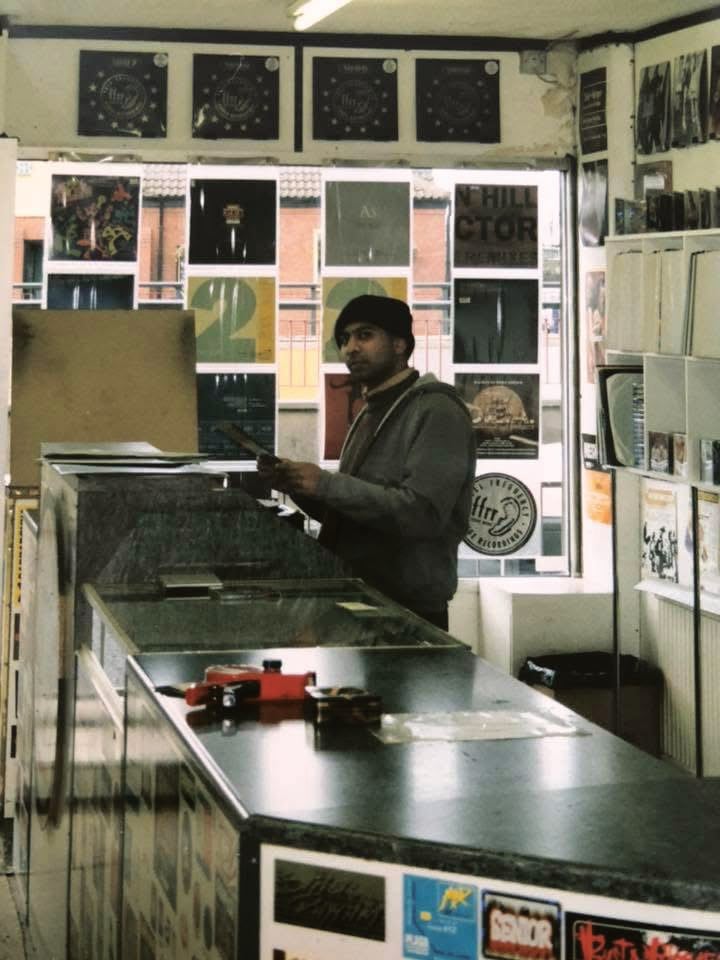
It did, and if I had it now it would be called an art centre rather than a shop, because our space was open. We had community stalwarts, musicians, DJs, students – we didn’t say no to anybody!
And the people who came in expanded our business – with Black music always at the heart of it. But we still made no money!
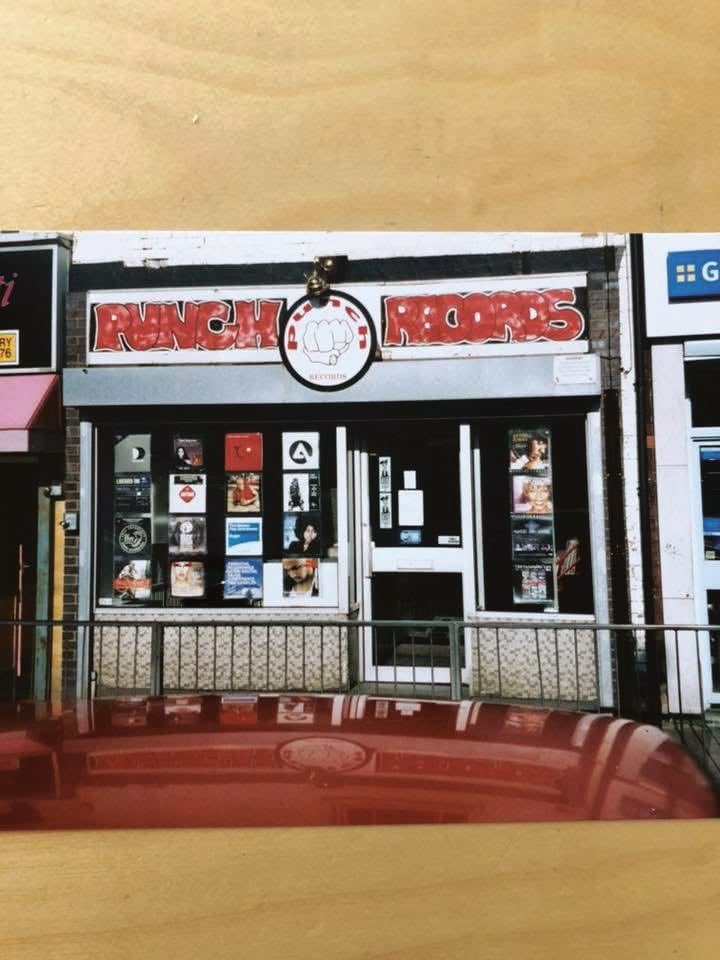
In 2003 I realised I needed to do other things that supplemented the business, and at the same time Napster kind of killed us
But we were lucky, because in 2004, we pivoted into something else, which was, I suppose, the company that most people know us for in terms of touring and festivals and books and all the other bits, but with the same core values as before: openness,
fairness, access.
At what point did you feel that you wanted to be more than just a business, and instead make sure you could give people a voice and a platform?
When we moved ‘uptown’ to Digbeth, we saw that, even as a Global Majority city – we are, I think, 54% non-white British – diverse artists and music still weren’t getting into those white spaces: the museums, the arts venues, the galleries. So I set up Birmingham’s first commissioning black festival, BASS, as our response.
Our drive to do that, to push for equality of opportunity and access, was happening around the same time social media was giving more people a voice. Plus, the technology had arrived to measure and evaluate the data on who was participating and who was excluded.
How did you get involved with the UK Music diversity movement?
Most of it was naturally based on the work I was already doing: wanting to make change, looking at the data. And some of it was people wanting fresh opinions – especially from outside London.
Keith Harris and Paulette Long had set the tone. This wasn’t the usual PR cycle: someone writes a report, you get a couple of quotes in the trade press and you’re good to go. This time around was very, very different. This time people wanted meaningful change.
“This time around was very, very different. This time people wanted meaningful change.”
UK Music was the only organisation that was really getting into the data around the workforce, and had done the hard work around analysing it and saying we need to do more. There’s no point in developing a report if there’s no real impact behind things that you want to do. So we set a robust plan that cut across a lot of the trade bodies, saying we need to do more; we need to be better and lead.
That became the 10-point plan which addressed language, governance, leadership and achievable targets.
What did it specifically set out to do and how much of that has been achieved?
The 10-point plan was a series of things that the industry could do within a defined timeframe. Simple things like, get rid of the word ‘BAME’; don’t use the word ‘Urban’ – and then some tougher things. Like, maybe you need to change your governance structures and review senior leadership. This was mainly targeted at trade bodies that sit under UK Music and about 90% of that work has been completed.
We’ve had loads of wins. We’ve had staff wins, investment wins, and we’ve had organisational wins around companies that have started looking at things that they just weren’t seeing before 2020.
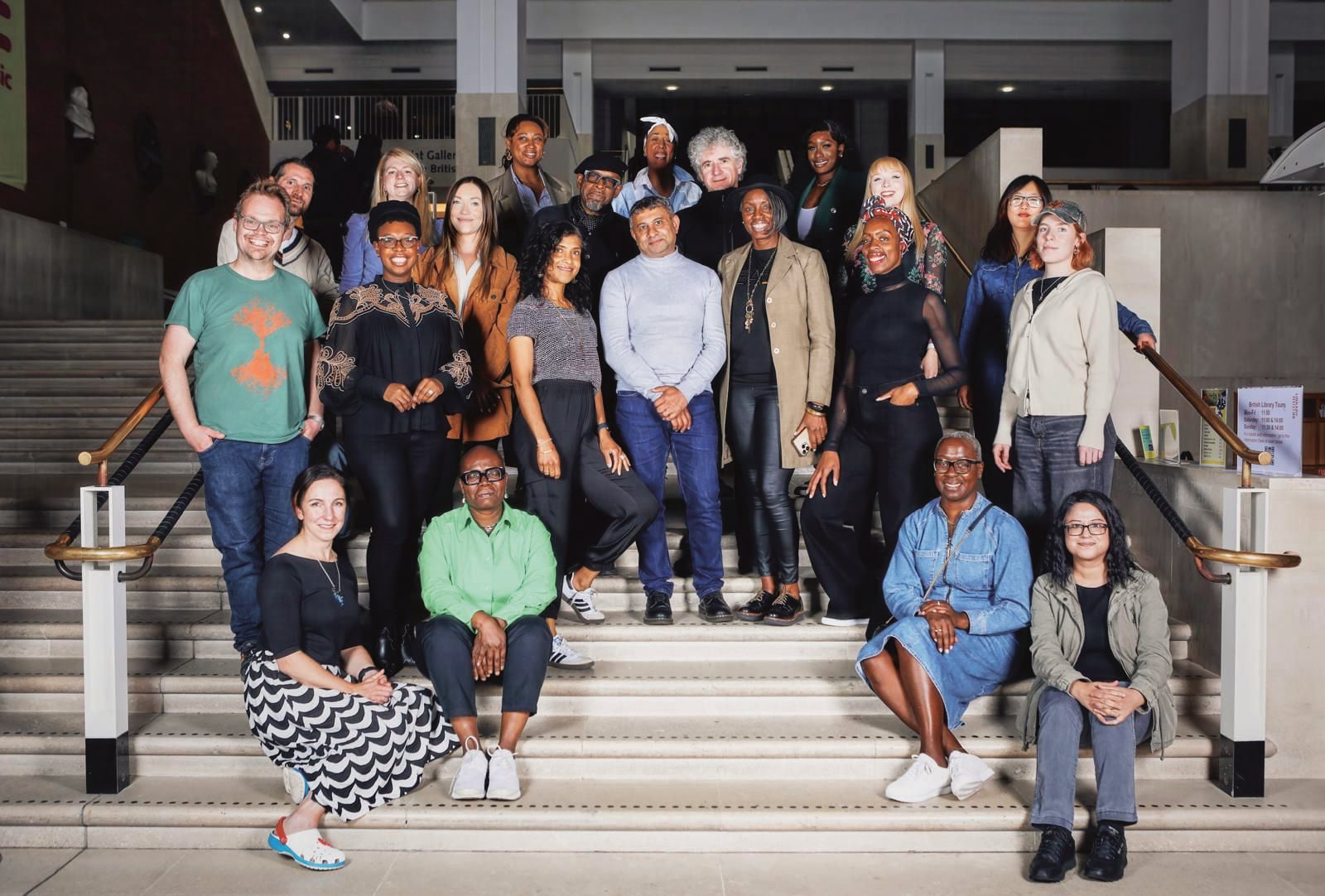
Across the broader industry, some elements have been picked up, others less so. We always framed diversity as an input to growth and cultural significance rather than an end in itself. We’ve embedded some powerful green shoots that will come out further down the line.
Do you think there’s been real commitment and real change in the years since there was a lot of talk about DEI in the wake of the murder of George Floyd?
There has been some significant change across the last four years, and some companies have really leaned in. But we’ve always said this is a long-term journey and we have some way to go before we are reflective of the UK communities that we serve. The sector is moving, but we need better pace.
Our communities have changed. London is going to become a Global Majority city soon. Birmingham already is. And what we need is our industry to reflect the people that we serve. It’s that simple.
Another area that you’re working hard on is pay gaps, particularly in regard to gender and ethnicity. How do we ensure parity?
It definitely helps to have a really strong peer group in whatever part of the music industry you work in.
You need allies in your organisation to hear what you’re saying. You need to speak up to your line managers – but this can be a problem, especially when you’re junior or you’re still working up through the ranks.
We need to not only look at new recruitment, we need to look at the middle layer in terms of how we incubate talent.
And look to the executives that have done exceptionally well in the UK and globally to make a change.
There are already some great initiatives; Power Up, run by the PRS Foundation, is a really good example.
Ultimately, what we want is for companies to recognise these issues independently and deal with them without the need for outside prompting, right?
Ideally, yes – it would be great if companies recognised that gender and ethnic pay gaps are real problems, and addressed them in-house, and some are doing very well.
But that’s sometimes not the case and, in reality, external accountability and concerted effort speed things up, so we need to keep pushing.
What are the specific areas of progress that have given you hope?
Seeing people of colour in senior positions across various teams and companies is one. And some bodies changing their articles of association to enable more inclusive boards.
These are things that I’ve witnessed myself. I’m seeing new people, I’m seeing different ways of working. Those are some direct wins.
“I’m seeing new people, I’m seeing different ways of working. Those are some direct wins.”
Don’t get me wrong, there are certain parts of the music industry that are very, very slow. Because, ultimately, it’s about booting out some of the old powers and bringing in some fresh energy. And that fresh energy is what will carry the work through.
You’ve talked very clearly about racism in the music industry before. Where do you think we are up to on the road to rooting that out?
Well, systemic racism is everywhere. And rooting it out of the music industry is the same as rooting it out of the education sector.
It’s a historical thing. It’s a systems-based thing. And these things take time.
The problem historically was simply that there just weren’t enough of us in those senior positions. And you can see now, slowly, there are more and more individuals that are taking up senior roles, whether it’s Austin [Daboh] at Atlantic or Alex and Alec [Boateng] at Def Jam.
These are younger people from more diverse communities, so not just traditional Caribbean, but African Caribbean backgrounds, taking up senior jobs where they will look at Black music in different ways and work in different ways to bring the right talent through.
This isn’t about employing people because of colour or ethnicity. It’s about talent, supporting new talent and recognising talent. Because sometimes we all have our biases, and sometimes talent talks differently and acts differently to you. So, sometimes, it’s important to lean into things that you feel uncomfortable with.
What working at UK Music and being the Chair of the Task Force has taught me is that we can’t work in silos. We can’t be just in King’s Cross or SW1; we’ve got to come together better.
It’s about looking left and right, and, as I said earlier, leaning into things that might not feel comfortable with, or spaces where you maybe thought you wouldn’t have ended up. Because there shouldn’t be any space you’re not comfortable with – and you never know what the outcome might be.
The DIY/independent movement is massive. But DIY doesn’t mean do it by yourself. It means do it yourself with others in your community. And those networks are going to get bigger and stronger.
What are you up to at the moment as regards your own business, outside the UK Music role?
The main thing is, I’ve set up a label, Parlay Records. I should have done this 10 years ago, but I think there was an element of fear around it.
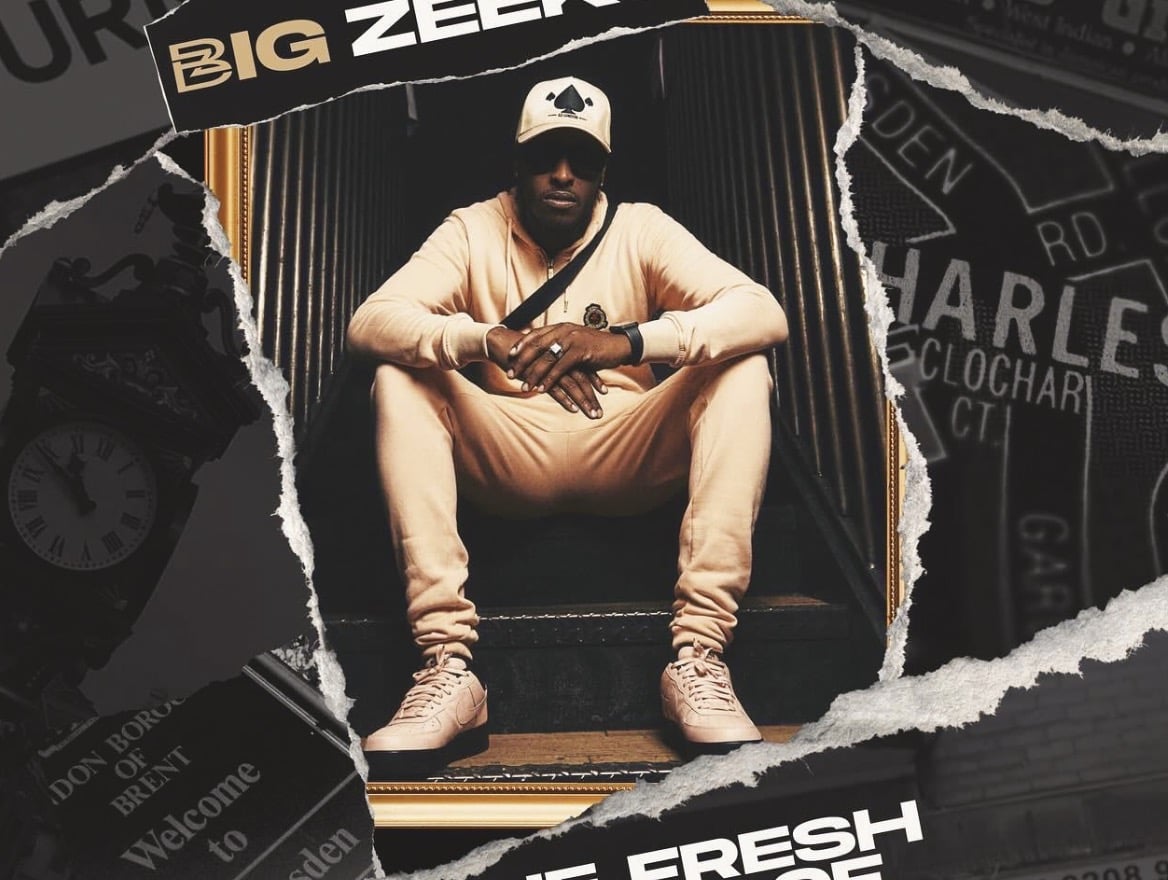
Now, the thing that’s exciting me is, I’m getting into the heart of actually signing artists and developing talent. We have worked with Big Zeeks to launch his UK debut album, The Fresh Prince of Harlesden and some other interesting grime and rap artists.
Before, we were always on the fringes. Touring is on the fringes, a festival is on the fringes, a record store is on the fringes. When you’re actually looking to sign and develop artists, you are at the heart of what this industry is really all about, and it gives you a slightly different energy.
We’re signing artists, we’re looking for talent, whether it’s local or national or international. I’m very, very excited about that.
I’m also working with The KOKO Foundation, which has two main drivers: protecting the environment and developing talent around the venue. We’ve been working behind the scenes for the last few years – especially in the communities.
Camden is a very complex area – you’ve got a lot of wealth and you’ve got a lot of poverty. KOKO is a venue that does amazing work in the live sector. But they also realise they’ve got to give back to the people of Camden and those areas that are surrounding Camden. That was the driving force behind shaping the foundation with an amazing group of people.
You’ve achieved a great deal already, but what are your biggest remaining ambitions?
I just want to sign great artists to our label. I want to keep on doing things that have more of an impact, especially on my city.
If I have a legacy, I want it to be that I helped carry on the legacies of the original pioneers I mentioned earlier. They made the foundations, we’re just building on them. And I genuinely don’t know where that’s going to take us.
I don’t know where the music industry is going or how it’s going to grow and change, but I do think we’ll still be right there at the centre, in the vortex of change, supporting new talent and working with great artists.
This interview is taken from a brilliant podcast series, Did Ya Know?, which tells the often unheard stories of key figures in the British music industry, focusing initially on pioneering executives of colour. The team behind the pod includes Stellar Songs co-founder Danny D and Decisive Management co-founder Adrian Sykes. Music Business Worldwide is proud to be partners and supporters of Did Ya Know? You can listen to it wherever you find your favourite podcasts.Music Business Worldwide