MBW’s World’s Greatest Managers series profiles the best artist managers in the global business. Here we talk to Jonathan Azu, founder of Culture Collective, manager of Leon Thomas, Jon Batiste and many others, who discusses his career, his principles, and his goals. World’s Greatest Managers is supported by Hipgnosis Artist Partnerships.
You see a spaceship land and then spend over an hour staring in awe at a barely-believable being from a distant planet. It’s bound to have an impact, right?
Same goes for the Parliament/Funkadelic Mothership (being lowered from the lighting rig, admittedly), with the role of out-of-this-world genius/unlikely careers officer being played by the one and only George Clinton.
This is how, in 1997, the young Jonathan Azu barged (almost literally) his way into the music business.
He recalls: “I was in college at Drake University in Des Moines, Iowa, the middle of America. I initially went to pursue athletics. But I got injured, so that wasn’t an option anymore and I didn’t know what I wanted to do. Then one night I went to a George Clinton concert. It blew my mind. They had the Mothership dropping from the lighting rig, and I’m thinking to myself, ‘This is what I want to do with my life!’
“I don’t know how I’m explaining it to my parents; they’re probably going to think I want to be an astronaut when I mention the Mothership, but I want to be in this business. When the concert finished, I actually snuck backstage and met with the producer of the show. I got their number, and a year later I produced my first concert with them, a George Clinton show at my school.”
Once Azu got the bug, he continued to put on shows, including one that introduced him to an industry legend who would play an important part in his journey. “In my junior year I produced a Dave Matthews concert, and Coran Capshaw signed the contract. I still have the contract today – looking back at it now, what a full circle moment that was.”
Full circle’s an apposite phrase, because Azu has worked 360 across the industry, a journey that gives him a unique perspective on (and definition of) management.
He says: “When I was very young, a recent college graduate, I got a lucky shot to go work on the executive floor of CBS Radio. I learned so much there, and built a lot of relationships. I then went to Superfly, they were only a few years into Bonnaroo at that point. They were growing the business, and that’s where I properly met Coran Capshaw, because he was a partner with Superfly on Bonnaroo.”
“All through that journey, I always wanted to be next to the artist. When I look at some of the things I did in college and beyond, I was always moonlighting around management, but never doing it professionally.”
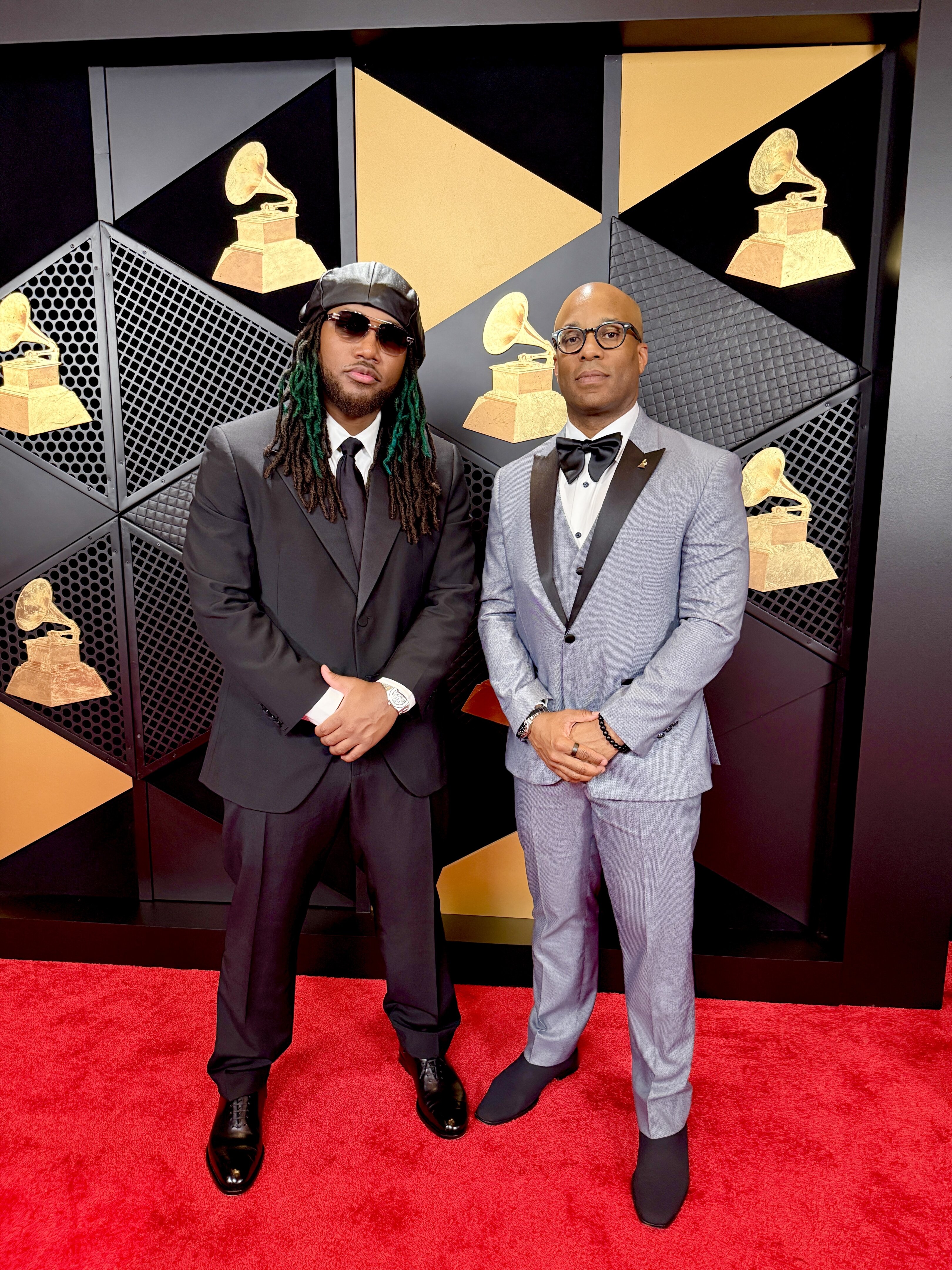
He now does it professionally, independently, successfully and very differently, as the founder of Culture Collective. The ‘successfully’ part was underlined at this year’s Grammys, where Leon Thomas won Best R&R album for Mutt as well as Best Traditional R&B Performance for Vibes Don’t Lie; Jon Batiste won Best Americana Album for Big Money; and Michelle Williams was nominated in the Best Musical Theater Album category for Death Becomes Her. The week after the ceremony, MBW catches up with Azu for a spot of celebration, reflection and the odd prediction…
Safe to say you had a good Grammys, with both Leon Thomas and Jon Batiste winning on the night. How was it for you?
We had 10 nominations across three artists [Leon Thomas, Jon Batiste, and Michelle Williams] that we work this year. And then on top of that, we had a couple of performances, so yeah it was a good
week for us.
Going into it, all you can do is hope that the voters recognize your artist as the best in their category. You’re also just honored to be in there. For me, I always enjoy witnessing the artists that are nominated in the same category walk up to each other to say, ‘Hey, obviously we’re competing, but I respect what you do so much.’ I love seeing that aspect.
How did you feel as a manager when your artists’ names were read out?
For me, at moments like that, I think a lot about the team and all the things that went into it.
I mean, especially in today’s world, it’s like, what does the word ‘manager’ really mean? You’re really just sitting at the table with the artist, and no two situations are alike. As far as the team dynamics are concerned, that’s unique to each artist. And the artist is the one that’s really managing, right? It’s them that they look in the mirror every morning.
It’s our responsibility as the team around them to help facilitate what success looks like for them, whether that’s an amazing R&B album, or an amazing Americana album.
In the case of Michelle Williams, she was up for Best Musical Theater Album [Death Becomes Her]. We’ve been working with Michelle for 10 years and that was a historic moment, because each member of Destiny’s Child, DC3 – Michelle, Kelly and Beyoncé – have now all been nominated as individuals and as a group.
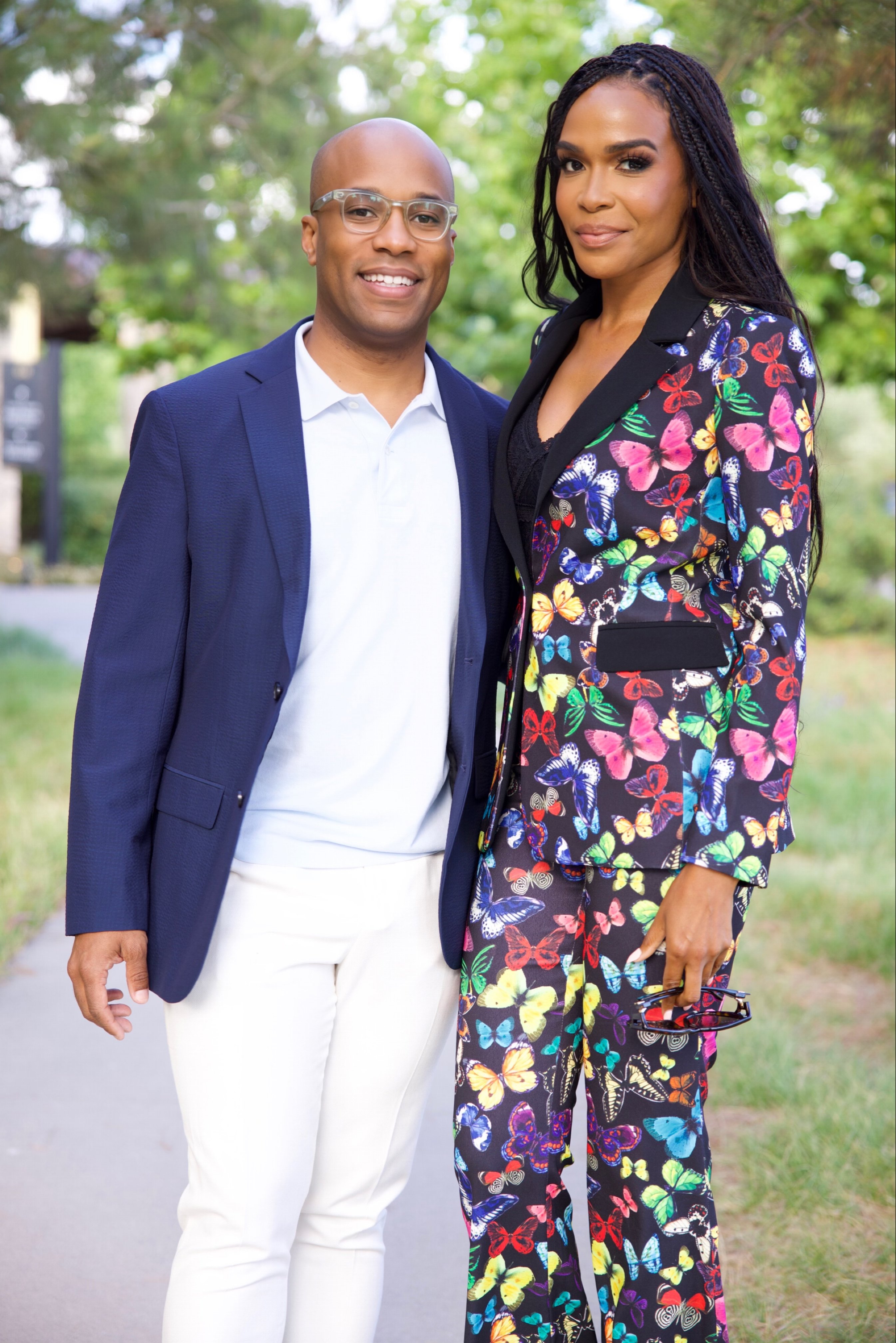
Can you talk a little bit about your own professional journey and how Leon Thomas became a part of it?
When I started out, I was working with John Sykes, when he was running CBS Radio. I look up to John so much and he’s still a mentor of mine today. I was very young, a recent college graduate, and I got a lucky shot to go work on the executive floor of CBS Radio. I learned so much there, and built a lot of relationships.
From there I went to Superfly, they were only a few years into Bonnaroo at that point. They were growing the business, and that’s where I met Coran Capshaw, because he was a partner with Superfly on Bonnaroo.
And one day I was lucky enough that Coran said Red Light was looking for a General Manager and he would love me to join them. I spent seven years at Red Light, working with Coran and the team there, building that company. I learned so much from him in that time.
Then, in 2019, for reasons bigger than music, I decided to start Culture Collective. It had really started to play on me that I’d finally got a seat at the table, and I was sitting in the right rooms, meeting with the right people, but I was almost always the only person of color in the room.
Furthermore, to be honest with you, on the occasions when there would be people of color in the room, none of us owned our company. We worked for somebody else. There’s nothing wrong with that, but I saw an opportunity to leverage all the experience that I had around media, live events, operations, and talent management to start something of my own.
That was the birth of the idea of Culture Collective, and Leon Thomas was the first artist we signed to the company. We brought artists with us from Red Light, but he was the first signed to Culture Collective as a newcomer.
How did you come to work with him?
I met him through a gentleman named Marc Byers, who, at that time, was General Manager of Motown.
Leon just signed to KIDinaKORNER, Alex Da Kid’s label, and Alex had the ability to be able to take artists wherever he wanted within the Universal Music system. I think that Marc was hoping that Leon would come over to Motown.
Long story short, the deal with Alex kind of unwound, which meant Leon found himself without a record label. That’s when we began this journey, over the next three years, of figuring out where he was gonna live musically.
We had met with Ty Dolla $ign and Shawn Barron, who were starting their own joint venture with Motown [EZMNY Records]. So we ended up doing a deal with Motown through them, and we started the process again of working on Leon’s debut album within that label system.
Marc departed Motown just before we signed and then Motown CEO Ethiopia [Habtemariam] left. Not long after that Leon’s deal was rolled into the Capitol Records family, which Michelle Jubelirer was running at the time. So we get back on track, getting ready to put the debut label album out – and then Michelle was let go.
There were years of that sort of stop-start process before we landed with Tom March [the UK exec appointed CEO of Capitol two years ago].
We got the first album out, Electric Dusk, in 2023, then Mutt followed, and the rest is history. All of that really is a testament to Leon’s dedication, focus and drive to see it through, because it wasn’t easy. He didn’t put out music because he didn’t have it, or he didn’t want to; he couldn’t do it because we needed to take care of the business. And that’s my superpower; working with artists on their business.
I’m not a writer, I’m not an arranger. I don’t really spend a lot of time focusing on which way to go creatively. But I’m the Yin to their Yang, ensuring strategy development, and making sure the blueprint for the business is where it needs to be.
When and how did you start working with Jon Batiste?
I’ve known Jon for a long time, just through the creative circles of artists that I’ve worked with in the past. And about two years ago we started to work formally with each other.
It’s another example of what I was saying before: what does the word ‘manager’ mean? In this case, it’s less about Culture Collective managing Jon, and more about me working with Jon and his executive team. I think the question isn’t, ‘When did Jon sign with Culture Collective?’ It’s more, when did I join Jon’s team?
You mentioned that you started out at CBS Radio, how did you get your foot in the door there?
When I left college, I took a job at a radio station in St Louis, because I couldn’t find anything in New York. I worked there for a year and then a friend of mine who was working in the accounting department of CBS Radio New York said if I was ever in town we could do lunch and she would show me around CBS Radio’s executive offices and maybe there would be a chance for a ‘hallway hello’ with some of the executives.
So I paid for myself to fly to New York. She walked me around the office, I met John Sykes and I met David Goodman, who had just been brought on as Head of Marketing. A few months later, he hired me to move to New York to work with him.
Ultimately, did you always want to be in management?
It’s certainly true that while I spent big chunks of time in other sectors – radio and live events in particular – there were always all these elements of being some sort of artist representative that I took onboard.
I think being a manager is kind of baked into my approach to the business and my relationships with artists, whether that’s in an official capacity or not.
I have great respect for career, lifelong managers, someone like Coran who’s been managing Dave Matthews for over 30 years. My background is different, I’m more of a strategist who has lived many lives professionally. I’ve run companies, I sit on boards, I teach at University of Southern California, I’m a trustee at my alma mater, and more. All of that allows me to be a different kind of partner to the artist than a traditional manager.
So I can’t say I always wanted to be a manager, but I always wanted to be next to the artist. I like to operate at the intersection, where different sectors meet and crossover. And I think there are only certain kinds of artists that could benefit from working with somebody like me. Jon [Batiste]’s definitely a good example of that type of artist.
What are the most important things you learned from your time at Red Light?
I learned a lot about live, for sure. That’s a touring company, and everybody there works hard. And, honestly, from Coran Capshaw I learned to show up. Because he shows up; he shows up everywhere.
I was at the Super Bowl last year, because Jon was playing the national anthem. I’m staying in a hotel, I’m on my grind, and then I walk downstairs and run into Coran, who’s there because he’s meeting with an artist. He is always present!
What was the spark that made you want to do your own thing, with Culture Collective?
I lost my father and had a son all in the same year. My father wasn’t in the entertainment industry. He was an immigrant who accomplished his dream of becoming a doctor. And, honestly, in today’s America maybe I wouldn’t be here, because maybe he would have been deported.
He taught me to really think about your brothers and your sisters. That played a lot on me when I finally got that seat at the table, but recognized that there was rarely anyone else who looked like me there.
“you hit your forties, you become a father, you lose your own father, you can’t help but think what the ‘back nine’ of life is going to look like for you – who do you want to impact?”
So, yeah, you hit your forties, you become a father, you lose your own father, you can’t help but think what the ‘back nine’ of life is going to look like for you – who do you want to impact? There was this inner drive to leave the nest of working for others, and do it on my own. Something was calling on me to do it, and I’m so happy I did. I think he’s happy too.
What were the founding principles of Culture Collective?
Obviously to do the best work as it relates to talent representation and strategy. But also to remember why Diversity, Equity and Inclusion are so important, and lean on those values and beliefs when it comes to how we partner, how we hire, and how we mentor.
Where are you up to now, in terms of the size of the roster? And is that something you’re looking to continue to grow?
We are always open to working with more artists. It’s about finding the right partner. And I say ‘partner’, not client. So if we find the right partner, who wants to work with us, where we can get in there and really leverage our skill sets and our relationships, that’s what we look for. If five of those come in this week, or five come over the next five years, either way is fine for us.
What do you make of the trend for established artists to work with more ‘in-house’ managers that handle operations and finance rather than what you talked about before, career-partner managers?
It’s interesting. The first thing to say is that no two snowflakes are alike. Every situation is different and every artist is different. If certain artists are choosing to do that, then there are reasons as to why that makes sense for them.
I do think that you still need a team around you, like a board of directors, that can provide you with insight, guidance, knowledge and real, raw feedback.
What inspires you on a day-to-day basis?
Understanding what success looks like for the people that I work with, and then thinking about how we get there.
I’ll give you an example. I saw artists that I work for who really wanted to win Grammys, and I spent a lot of time strategizing on how we can make sure that the voting community considers their amazing projects. I’d wake up in the morning thinking, ‘What are the things we can do, who we can work with, what can we host? How do we think about this a little bit differently?’
That’s the marketing mind, the strategist mind that I was talking about. They’re the same things I would think about when I was in college: how are we going to announce this George Clinton show? What’s the poster going to look like? I obsessed about the poster!
Even today, my team will tell you… I mean, I don’t get involved in every decision, but, when it comes to it, yeah, what does the poster look like?! That’s still the 19-year-old kid in me.
Did you keep that George Clinton poster from the 1997 show?
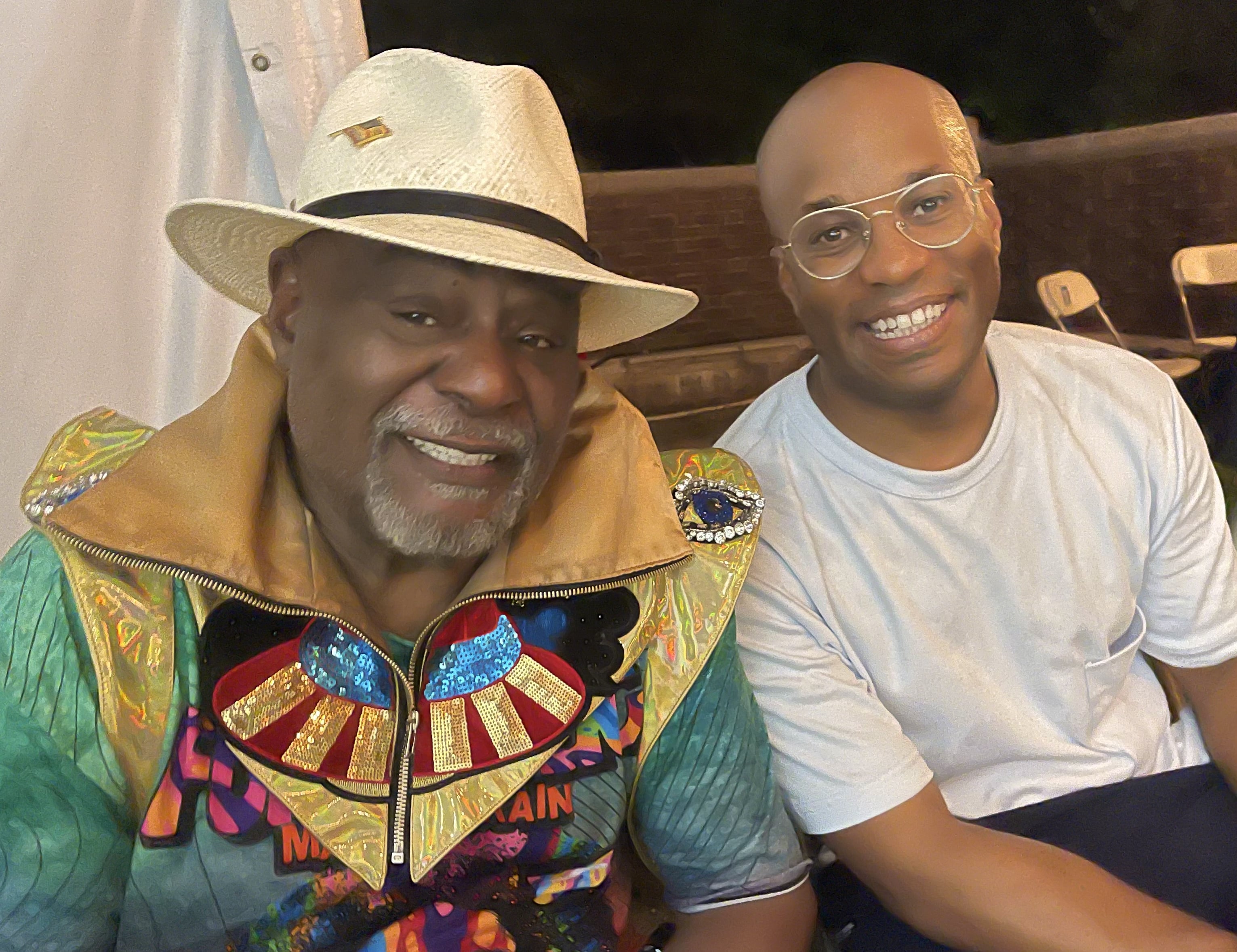
Of course! And you know what, the first show that I went to non-professionally, out of the pandemic, was George Clinton at Central Park. I didn’t think he would remember me, but I sat with him and we talked about that [1997] show. It was another really lovely full-circle moment.
What are your longer-term ambitions?
I want to be working with more people in more partnerships. And, honestly, inspiring people. It’s so important, teaching and sharing what I’ve learned over the years.
I think I’m in quite a sweet spot where I’ve spent enough years in the industry to have experience, but I’m young enough to still be relevant. I think that’s somewhere that I can have a lot of impact from.
Which single thing would you change about the music industry?
Well, sadly, in terms of DEI, the pendulum’s swinging back the other way right now. That’s something I think a lot about. It’s an important time.
What are you proudest of in your career to date?
My kids are eight and 12 now, and they didn’t know my father. But I hope that the impact that he had on me, in terms of working hard and bringing your values to work, I hope they see and feel some of that through me.
What advice would you give someone just starting out in the business?
I get asked for advice a lot, and one of the things I typically say is that if you’re in front of me asking for advice, that means you have your head on your shoulders, you’re thinking about the right things, and you have passion.
So you should go out there and try things, because I’m sure that you’ve got amazing family and/or friends around you who are there to catch you if you fall.
Don’t be scared, go and try, go and fail, because somebody will catch you, pick you up, and you’ll go again.
Music Business Worldwide