MBW Views is a series of op-eds from eminent music industry people… with something to say. The following MBW op/ed comes from Bill Werde, Director of the Bandier Music Business Program at Syracuse University. Below, he argues that 2026 is the year artists should finally unionize – wielding joint leverage to improve things for anyone who’s ever stood in front of a mic…
The story of the music industry and generative AI platforms is moving fast.
The majors have empowered multiple partners, with the clear intent to license more – avoiding the mistake they made by giving Apple all of the leverage during the download era.
Suno wasn’t even launched until the end of 2023, and Udio a few months after that, but each had secured at least one major label license by the end of 2025. Klay, Stability AI, and SoundLabs each join Suno and Udio as
AI companies with at least one major-label license.
The majors are often taking equity stakes in exchange for licenses, according to multiple sources. This is a strong hedge against being omitted from unanticipated revenue – à la the past mistake of taking pennies from the iTunes store while Apple raked in dollars from iPods.
If the AI era becomes a meaningful part of the modern music industry, the biggest music companies are moving quickly and credibly to position themselves to profit. As they should.
But while the majors are applying what they have learned from the evolution of digital music, there is one group that almost willfully is not: artists. Because artists, the lifeblood of the business, have accepted table scraps, era after era, over the past 25 years.
When Spotify launched, the majors negotiated equity stakes; by the time it floated on the NYSE in 2018, the majors collectively held more than 10% of the streamer. Warner sold its entire stake in 2018, for about half a billion dollars. It kept roughly three-quarters of that money, while allocating $126 million to artist ‘accounts’ – meaning if an artist wasn’t recouped, Warner effectively used this money to pay down the act’s debt to WMG.
Sony sold half of its Spotify stake for $768 million in 2018, and to its credit, paid out around $250 million to artists regardless of their recoupment status. Like Warner, Sony paid artists in line with their contractual royalty rate.
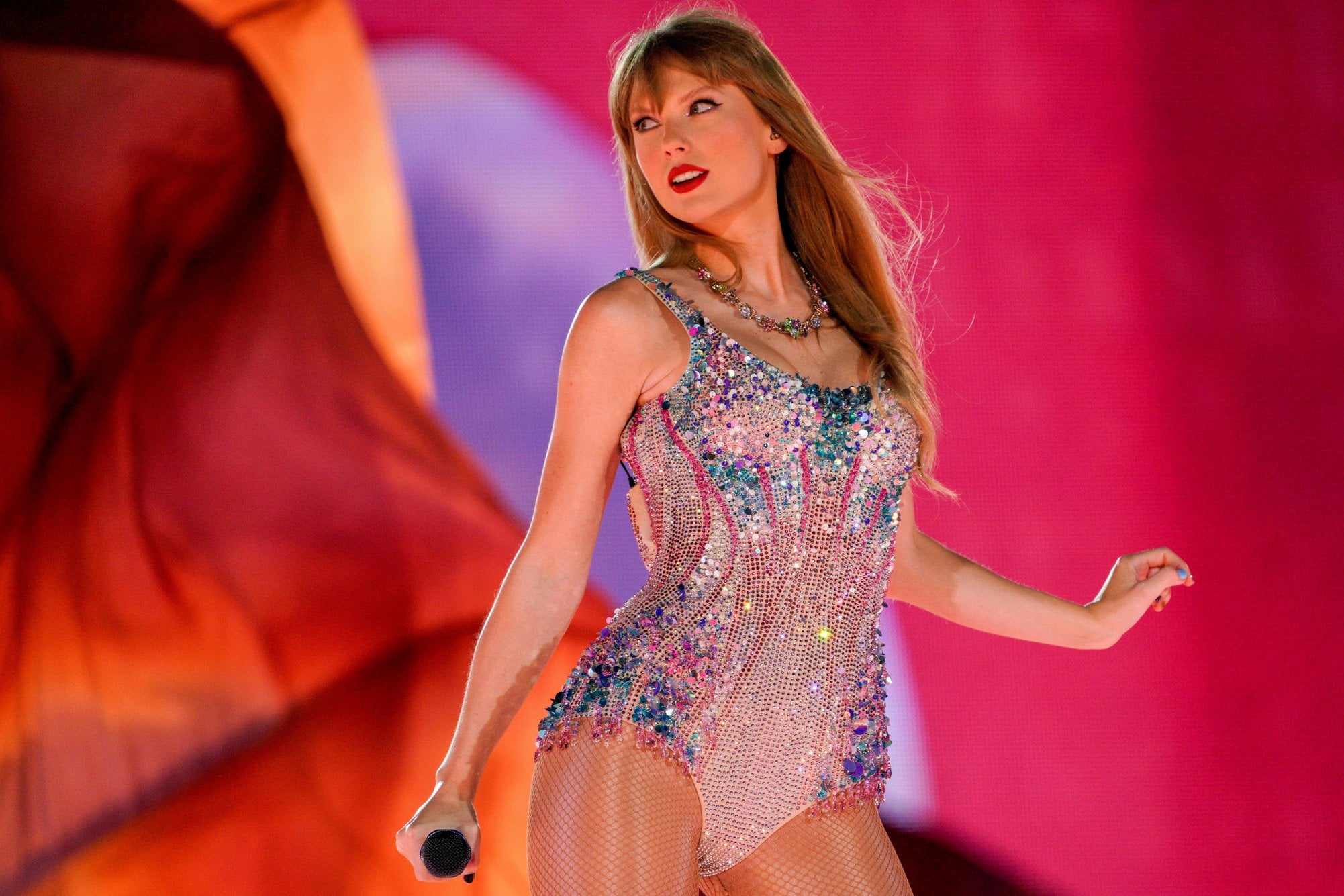
In 2018, Universal confirmed it would share any Spotify equity profits with its artists, before reportedly being persuaded by Taylor Swift to forgo associated recoupment balances across its roster. So far, UMG hasn’t sold any of its Spotify stock; it currently holds a tranche of shares in the streamer worth ≈$3 billion.
The upshot: When the dust settles, the majors are probably going to keep two-thirds of billions of dollars, netted from the sale of Spotify equity that wouldn’t exist were it not for the incredible artists these companies leverage. Managers have raced to thank the majors for this privilege. I get it – that’s the game we’ve been playing.
But why didn’t artists, especially top-tier commercial artists, jointly demand their own pool of equity from Spotify pre-launch?
Why wasn’t it already written into artist contracts that the sale of any equity derived from the value of their work be paid out regardless of recoupment status, and perhaps at an even higher rate than standard royalties?
I’d argue the answer is the same for why artists don’t have health insurance, or pensions, or higher catalog royalty rates or… I could keep going. Because artists can’t, won’t, or don’t organize. There is no powerful, popular union for US artists. Sure, there are emerging orgs like SONA and MAC, rooted in benefiting artist and writer communities.
But today’s biggest artists aren’t fighting in a strategic, consistent way to make things better for smaller acts, or for future stars. Now that we’ve entered the AI era, the majors are doing what they should be doing: negotiating strong table stakes. The artists? They’re crossing their fingers.
For this column, I spoke to a handful of top artist managers and attorneys, each of whom represents arena-level talent or bigger. They explained that there are some hidden institutional reasons why artists do not unite.
Stars are advised by a team of people, largely paid on a percentage basis, who know that artist careers come and go like the wind. This incentivizes advisors to look for short-term cash.
What’s more, the attorneys reviewing artists’ deals often work for firms that make more money representing the very same corporations that artists sign with.
“No one wants to rock the boat. I’m not sure a lot of artists fully understand they’re on a boat.”
A law firm might make great bank from an artist for a few years, but what if they’ve been printing cash from the major labels and promoters for decades? Whatever angle you’re viewing from, that’s a conflict. No one wants to rock the boat. I’m not even sure a lot of artists fully understand they’re on a boat.
So if artists did unionize, what could they possibly ask for? Unshockingly, the artist reps I spoke to had some ideas – some of which I’ve included below. These weren’t just directed at record labels; Live Nation, AEG, and others were also in the conversation.
1. Health care.
Not minimum payments or access to what the American Federation of Musicians offers, but better, comprehensive healthcare benefits. There are complications: artists are not, and shouldn’t be, employees of labels. Things can still improve.
2. A meaningfully increased streaming rate for older artists.
“There are legendary artists who can no longer tour that are paid 12% on streaming,” offered one artist rep, calling it “a crime”. Some call for royalty rates to rise once an act is recouped. Good idea, but with a catch: Some catalog artists don’t recoup, and remain loss-making for their label.
Other catalog acts, however, don’t recoup despite their music having become substantially profitable for their label – because the artist’s recoupment tally is only reimbursed via their sliver of a royalty rate, not the entire earnings of their records.
3. A standardized industry non-recoupment forgiveness program.
The majors, especially Sony, deserve credit for pioneering the write-off/ignoring of legacy acts’ unrecouped balances in windfall situations (like the Spotify equity proceeds). This has resulted in hundreds of millions of dollars flowing directly into artists’ pockets.
However, not all artists signed to labels have a straightforward story to tell. One artist rep I spoke with called for an “unrecouped balance forgiveness program” to be standardized across the industry, wiping out the shortcomings of some “pretend ones that have been introduced”.
4. Reverse morality clauses.
Labels can dump artists when they do the wrong thing. Why can’t all artists leave their record company/publishing deal if it turns out the boss/the person who signed them is caught undertaking unethical or illegal wrongdoing?
5. Transparent night-to-night charges in the live space.
“There is virtually no transparency on what artists are being charged by promoters,” claimed one manager.
Call it the beginnings of an Artists’ Bill Of Rights. Most of these suggestions aren’t economically transformational for either the largest companies, or the biggest acts.
But most artists never become the biggest acts, or only briefly hit that level. For them, such ideas could be significant. Would it take much more than a handful of prominent superstars demanding that similar clauses are standard in all agreements?
US artists are legally considered independent contractors, therefore generally cannot unionize under the federal National Labor Relations Act (NLRA). But every problem has solutions when the right questions are being asked.
In 2011, NFL players had a reverse issue: they decertified their union in order to legally press an antitrust suit against league owners. The plaintiffs in that suit? Tom Brady, Drew Brees, and Peyton Manning – arguably the three biggest stars in the NFL at the time.
The suit was key in securing a collective bargaining agreement that gave players vastly improved working conditions, health care, a “Legacy Fund” of over $620 million to increase the pensions of retirees, higher salaries,
and other benefits. In spite of this, PR-wise, both sides in the dispute were widely seen to have won.
“Artists need to get out of the mindset of scrapping for pennies, and into the mindset of collective leverage.”
Artists need to get out of the mindset of scrapping for pennies, and into the mindset of collective leverage. Artists have it more than anyone else – if only they’d learn how to use it. So artists: who is your Brady, Brees, and Manning? If current contracts make it difficult to unionize, what is your workaround strategy?
One of the barriers to superstar unionization may be the natural self-centeredness of artists themselves. “Imagine waking up every day, surrounded by a team of people telling you you’re right, you’re the best, about everything you do and say,” said one very senior artist rep. “By the time an artist actually reaches the top, it can be hard to get them out of La La Land.”
But Taylor convinced UMG to cave on the recoupment issue (if and when it sells its Spotify stock). Chappell Roan announced she was leaving Wasserman, and days later the company was for sale. This is merely individual leverage at work. Just imagine the future that could be possible if artists were willing to align for the greater good.
All MBW+ subscribers get digital access to our new Music Business Worldwide magazine, with six issues released each year. Music Business Worldwide