The FCC had been examining whether iHeart broke federal payola rules by giving artists additional airplay on its radio stations in exchange for performing at company concerts and festivals, without the disclosure the law requires.
iHeart and the FCC resolved the matter through a consent decree that carries no fine.
By entering into the agreement, iHeart “makes no admission of liability or violation of any law, regulation, or policy.”
In place of a monetary penalty, iHeartMedia has agreed to develop and implement a compliance plan within 60 calendar days.
The plan requires the company to appoint an internal compliance officer, train relevant employees, maintain a whistleblower hotline, and file compliance reports with the FCC.
The regulator announced the agreement on Thursday (July 9), a day after its Enforcement Bureau adopted the decree.
iHeartMedia, which the FCC described as the largest owner of radio stations in the United States, hosts live events and festivals across the country.
“The FCC is committed to ensuring that artists — especially up-and-coming ones — get a fair shake in their dealings with the broadcast industry.”
Brendan Carr, US Federal Communications Commission
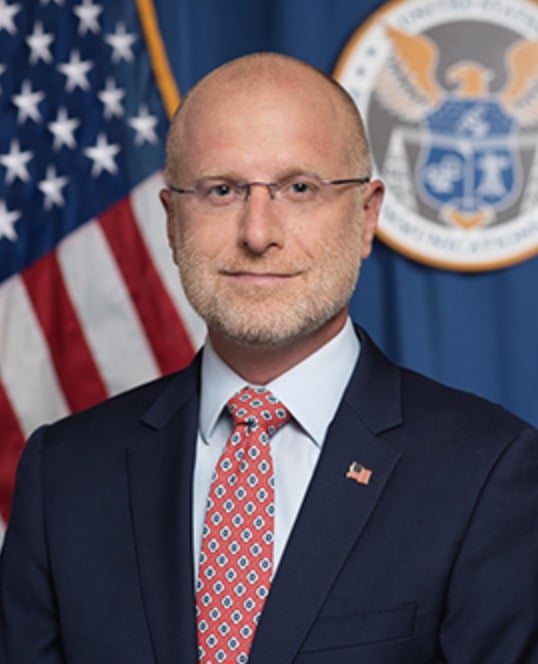
FCC Chairman Brendan Carr in a statement, said: “The FCC is committed to ensuring that artists — especially up-and-coming ones — get a fair shake in their dealings with the broadcast industry.
“Artists’ talent and the listening public should determine their success. Today’s agreement adds significant new protections and offers the FCC greater transparency to ensure that artists retain their right to decide when and where they will perform.
“Artists have every right to ensure that the radio industry complies with the payola and showola regulations that protect them,” Carr added.
The FCC refers to the practice at the center of the case as “showola” — a form of payola in which a station pressures artists to perform at its shows or festivals for free, or for reduced compensation, in exchange for more favorable airtime.
The matter dates back to January 30, 2025, when U.S. Senator Marsha Blackburn alerted the FCC to what she called a potential new payola practice in which “radio stations and networks offer more airtime for an artist’s songs if the artist performs a free show.”
Blackburn warned of an “implicit suggestion that declining to perform could result in reduced airplay.”
The FCC‘s Enforcement Bureau issued an industry-wide advisory days later, and Carr followed with a letter to iHeart seeking information about the iHeartCountry Festival ’25 in Austin, Texas.
In its responses to the Commission, iHeart denied trading airplay for performances, stating that musicians perform at iHeart events for the promotional value, not for additional airplay on company stations.
iHeart likened the sets artists play at its festivals to film marketing, describing them as “a teaser for the audience in the same way that a movie trailer is a teaser for the full movie.”
The decree also requires iHeart to tell every invited performer that appearing, or declining, has no bearing on their airplay, and that artists can take any suspected payola straight to the FCC
For a set of tentpole events — including the iHeartRadio Music Festival, the iHeartRadio Jingle Ball Tour and the iHeartCountry Festival — and for shows in 10 named radio markets, the company must post online disclosures identifying each performing artist and the terms of their appearance.
iHeart will file an initial compliance report at 120 days, then further filings at the 12-, 24-, and 36-month marks.
The Enforcement Bureau, in turn, agreed to terminate its investigation and to dismiss any related third-party complaints.
Absent new material evidence, the Bureau said it will not use the facts developed in the investigation to open a new case against iHeart, or to question the company’s basic qualifications to hold its broadcast licenses.
The consent decree was signed for the company by Christopher Cain, iHeartMedia‘s Senior Vice President and Associate General Counsel, and for the regulator by Patrick Webre, Chief of the FCC‘s Enforcement Bureau.Music Business Worldwide