MBW Reacts is a series of analytical commentaries from Music Business Worldwide written in response to major recent entertainment events or news stories. Only MBW+ subscribers have unlimited access to these articles.
Drake thinks a federal judge just created a “dangerous” precedent for the music industry.
The Canadian superstar filed a 117-page appellate brief last week challenging Judge Jeannette Vargas’s October dismissal of his defamation lawsuit against Universal Music Group over Kendrick Lamar’s Not Like Us.
Drake originally filed the lawsuit in January 2025, about eight months after Not Like Us was released. He alleged that UMG “intentionally published and promoted” the song, knowing that its lyrical content was false and defamatory.
Judge Vargas ruled that Kendrick Lamar’s diss track “constitutes protected opinion rather than actionable defamation,” finding that the accusations could not reasonably be interpreted as factual given the context of what she called “perhaps the most infamous rap battle in the genre’s history.”
To Drake’s legal team, the judge made fundamental errors that could shield artists from accountability for serious allegations – so long as those allegations appear in a rap diss track.
To UMG? Following the October dismissal, a spokesperson said: “From the outset, this suit was an affront to all artists and their creative expression and never should have seen the light of day.”
We don’t expect you to read through the entire 117 pages of Drake’s appeal (if you wish to, you can read it in full here).
Even so, here are three particularly interesting things that stood out to MBW…
1) Drake argues the judge created a blanket immunity for rap diss tracks – no matter how defamatory
The appeal’s most provocative claim? That Judge Vargas “effectively created an unprecedented and overbroad categorical rule that statements in rap diss tracks can never constitute statements of fact.”
Drake’s lawyers argue this is dangerous precisely because of what the song alleges. The brief states that Not Like Us is “a song that was intended to create the impression and states as an unambiguous matter of fact that Drake is a ‘certified pedophile[]’ and a ‘predator.'”
In other words, Drake’s argument is that if courts decide that anything goes in a rap battle, they’re essentially creating a legal loophole that protects defamation as long as it’s delivered with a beat.
Drake includes over 60 examples of listeners who said they believed the allegations were factual.
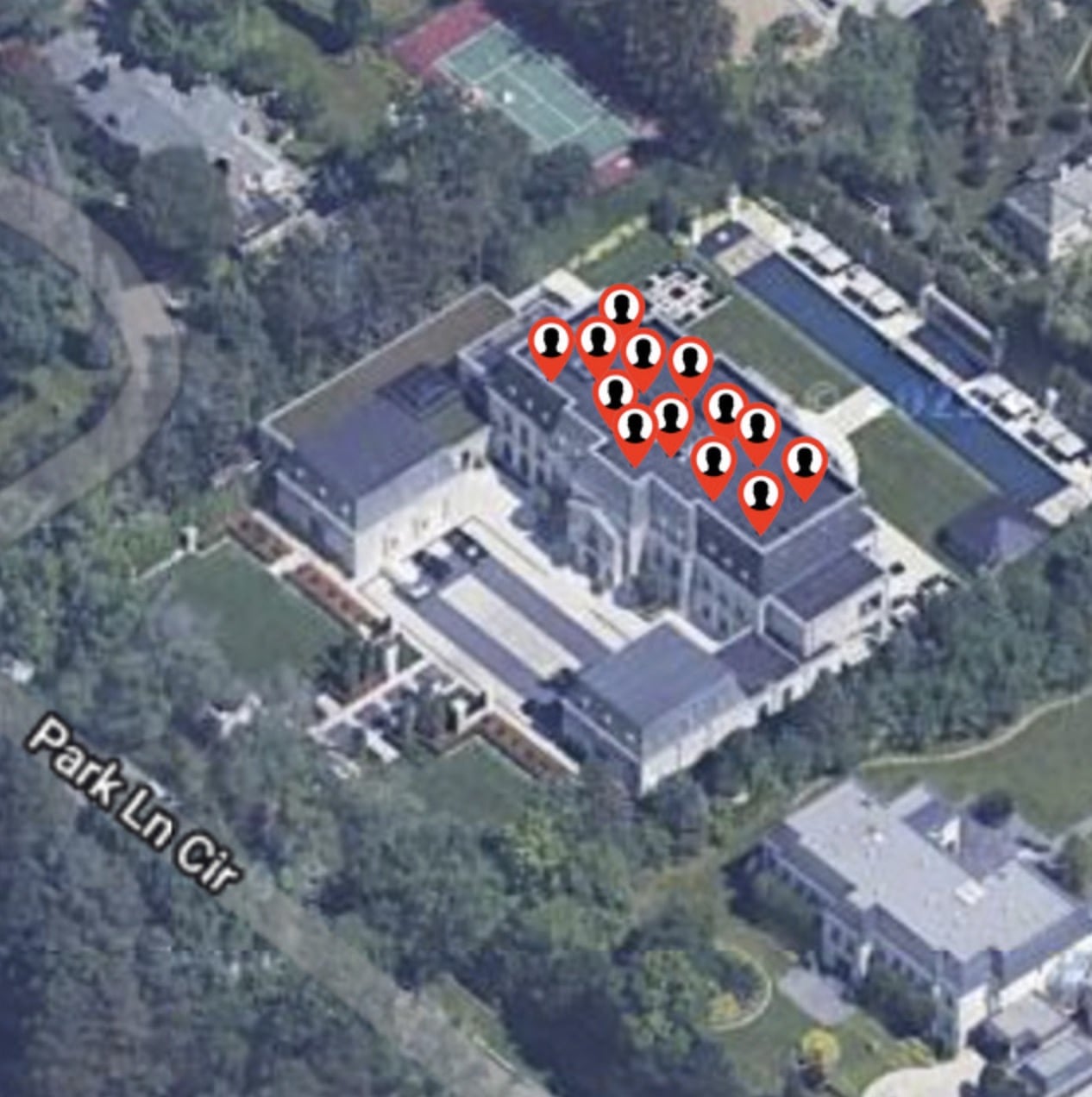
The brief also highlights real-world consequences: three days after Not Like Us dropped, armed assailants appeared at Drake’s Toronto home, shooting his security guard who “required emergency life-saving surgery.”
2) The Super Bowl changed everything – but the judge treated it like just another rap battle song
Here’s where Drake’s appeal gets interesting on the facts.
Judge Vargas ruled that Not Like Us must be understood within the context of the entire Drake-Kendrick rap battle. Fair enough – except Drake argues the song transcended that context in unprecedented ways.
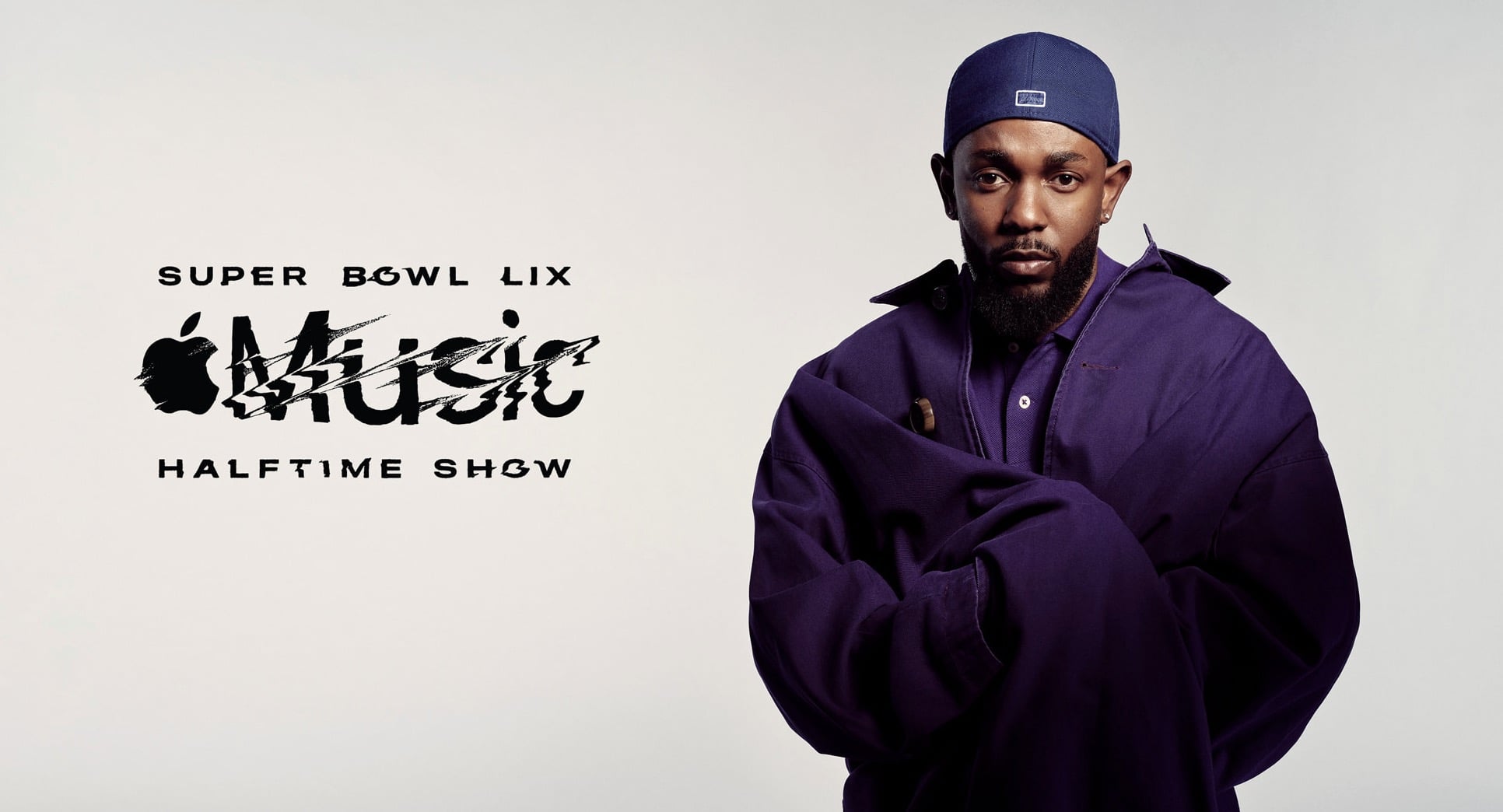
For Drake and his legal team, the numbers tell the story: Not Like Us “has been played billions of times” and was performed at “the 2025 Super Bowl halftime show, which at 3.6 billion global views was the most widely watched halftime show in history,” according to the brief.
“Millions who tuned in to the ‘Big Game’ – including young children and people whose religious or cultural beliefs, or simply their taste in music, leave them with no interest in or exposure to rap battles – were unaware of the feud.”
Drake’s appellate brief
By contrast, the next-most-popular song in the feud, Euphoria, had “just 4.1% of the Recording’s streams and views.”
Drake’s lawyers argue the song was repeatedly “republished” to massive new audiences – at the Democratic National Convention, the Grammy Awards, where it won Record of the Year, and that record-breaking Super Bowl performance.
“Millions who tuned in to the ‘Big Game’ – including young children and people whose religious or cultural beliefs, or simply their taste in music, leave them with no interest in or exposure to rap battles – were unaware of the feud and ‘had never before heard the [Recording] or any of the songs that preceded it,'” the filing states.
The judge’s error, according to Drake? Treating every republication as if the entire audience were rap superfans who’d followed every word of the original feud.
3) Drake revives claims that UMG manipulated the song’s success with bots, payola, and “whitelisting”
Of all the allegations in the briefing, this one will get the music industry’s attention – though Judge Vargas dismissed it at the pleading stage.
Drake’s appeal revives his claim that UMG used “deceptive business practices to artificially boost the song’s success,” including:
Radio payola
Bot-generated streams
“Whitelisting” the track on YouTube and Twitch to enable unlimited re-uploads without copyright strikes
Concealed payments to influencers and streaming platforms
The brief alleges that “notwithstanding its knowledge of the falsity of the allegations and the threats to Drake and his family’s safety, UMG waged an unrelenting campaign to spread the Recording as widely as possible.”
Here’s the kicker: both Drake and Kendrick Lamar are signed to UMG (Drake via Republic Records, Lamar via Interscope).
Drake is essentially arguing his own label chose to artificially amplify a song falsely accusing him of criminal behavior, despite knowing it would put him and his family in danger.
Following the dismissal in October, a UMG spokesperson said: “From the outset, this suit was an affront to all artists and their creative expression and never should have seen the light of day. We’re pleased with the court’s dismissal and look forward to continuing our work successfully promoting Drake’s music and investing in his career.”
In May, when the company filed its motion to dismiss, UMG characterized Drake’s allegations as “wild conspiracies” and described the lawsuit as “Drake’s attempt to save face for his unsuccessful rap battle with Lamar.”