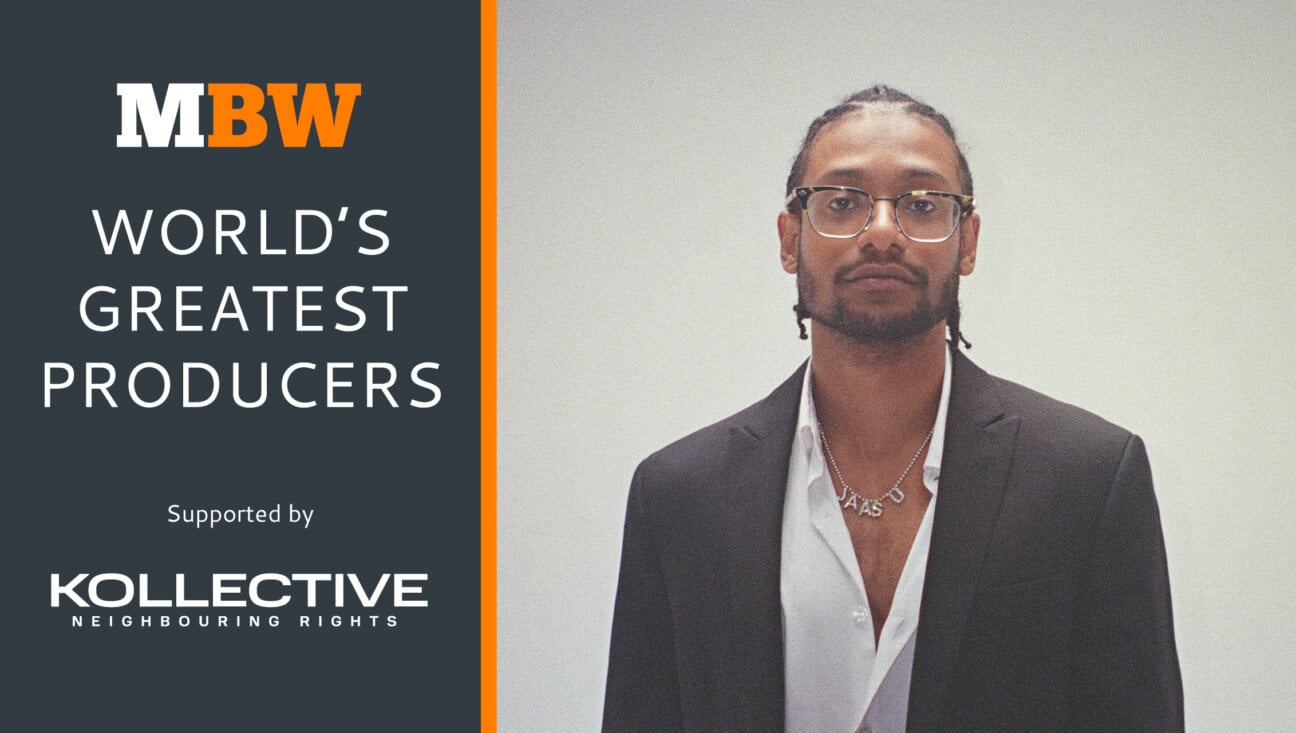
MBW’s World’s Greatest Producers series sees us interview – and celebrate – some of the outstanding talents working in studios across the decades. Here we meet Jaasu, a new(ish) name building a big reputation with artists such as Don Toliver, Coco Jones, and Travis Scott. World’s Greatest Producers is supported by Kollective Neighbouring Rights, the neighbouring rights agent that empowers and equips clients with knowledge to fully maximise their earnings.
Jaasu’s mom recently discovered a video from the producer/writer/artist’s childhood in which he says his ambition is to make 19 albums when he grows up.
Ignoring the spooky specificity for a second, it’s fair to say that the now-28-year-old is well on his way to achieving his goal.
He has certainly played a part in hit tracks from artists such as Travis Scott, Yeat, Coco Jones, 24kGoldn, LISA, Quavo, Offset, and more.
His breakthrough came with credits on Don Toliver’s No. 1 album, OCTANE, including hit singles Body and E85.
Jaasu remembers “there was always music playing in our house growing up,” with the focus mainly on ’90s R&B.
Ryan Leslie and Pharrell were the artists who provided the greatest inspiration.
He says: “They made production feel real to me. Seeing how records were actually made sparked everything.
“Around the same time, I started DJing bar mitzvahs at 12 and was heavily influenced by artists like Afrojack, Avicii, and Gesaffelstein. They made me realize there isn’t one blueprint for greatness; every producer has to find their own voice.”
“I wanted to become undeniable before I worried about becoming visible.”
Jaasu’s search began with VirtualDJ and then Logic. “By 13, I was already making music with local artists around New York. I wasn’t thinking about building a career – I was just trying to get better every day. Looking back, repetition was probably my biggest advantage.”
He also stresses that “I never had a plan B,” and that talent, connections, and chance are nothing if they’re not harnessed to drive and focus.
Looking back at his work behind the scenes with other artists out front, and how that has created opportunities as an artist in his own right, he says: “I wanted to become undeniable before I worried about becoming visible. If you create enough value, people eventually want to know who’s behind it.”
Another achievement unlocked. Jaasu is more visible than ever, you’d be a fool to deny there’s a lot more success to come, and here he gives his biggest insight yet as to who’s behind it…
How did you make your first serious moves into the industry?
I grew up moving between very different environments and attended a private school on scholarship, which exposed me early to people across music, finance, and art – and eventually led to my first real industry session.
My friend Az (Cohen) from high school and his friend Zeke (Hirshberg) were working with Famous Dex and brought me into a session. That was the first door that opened for me, but I learned early that while many opportunities come through relationships, longevity comes through reputation.
Who were the mentors or collaborators that were important when you were starting out?
Peter Kim, who was Craig Kallman‘s assistant at the time, had a studio in Midtown Manhattan.
He taught me Logic, but more importantly, he taught me how records actually get made. That’s where I learned that making beats and producing records aren’t the same job.
Prior to your work on OCTANE, what were the most significant tracks you worked on in terms of getting people’s attention and making your phone ring?
My own artist project was an important starting point. Releasing Freaky in 2024 helped me establish a signature sound that carried into records like Cash Cobain’s Feeeeeeeeel and Don Toliver’s Body.
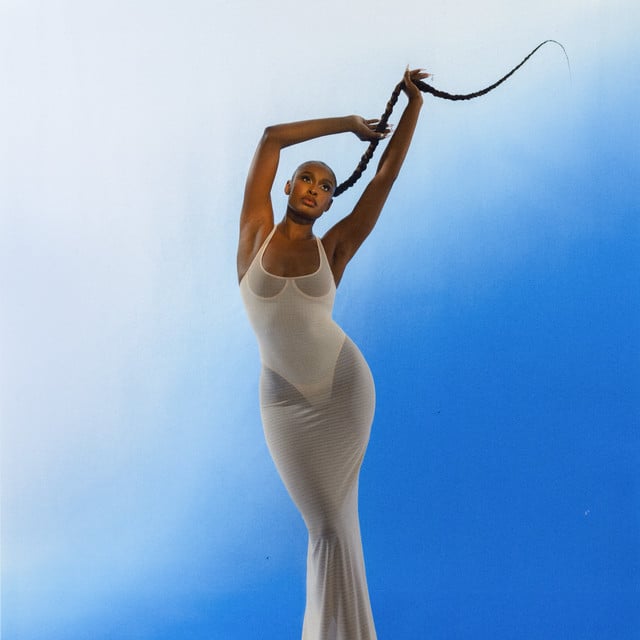
I also met Coco Jones [pictured] early in her Def Jam career, and we kept working together to build records around what makes her such a distinctive performer. Some of that work went on to earn Grammy nominations.
Those projects showed that I could tailor a sound to an artist without losing the elements that make my production recognizable.
How did your participation in OCTANE come about? And can you talk about the creative process behind your role in those tracks? Was there a lot of guidance or did you have a free hand?
I met Don at Coachella a couple of years ago, got his number, and started sending him beats.
Later, Sickamore invited me to join the OCTANE sessions in Northern California during the final stages of the album.
Getting there became a story in itself: I missed my flight because of an ID issue and ended up driving from Los Angeles in a car that was barely holding together – but somehow, I got there and went straight into the studio.
The first beat I played eventually became Body, and from there it was song after song. We made several records in two days because the chemistry was immediate and there was room to follow the energy rather than overthink it.
What are the most important qualities you bring to a session as a producer?
Confidence, perspective, and partnership. I don’t want to be somebody who just hands over a beat. I want to understand the artist’s direction, help develop the concept, and be willing to push an idea until it becomes something neither of us would have reached alone.
“I try to create a space where they feel understood and comfortable enough to be vulnerable.”
Artists can hear hesitation, so I try to create a space where they feel understood and comfortable enough to be vulnerable. Having been an artist myself helps me meet them from that perspective. The best songs usually start with trust, but they also require honest creative push-and-pull.
How do you bring the best out of different artists? How much of that is a technical/sonic job, and how much is it a human/psychological job?
I’d say it’s 80% psychological. Every artist needs something different, so I listen for what makes them feel most like themselves and build from there.
My job is to create a comfortable landing place, then bring enough conviction in my own taste to keep refining the idea until we both believe in it. That balance helps the record feel specific to the artist while still carrying my creative point of view.
Can you talk about some of the most challenging situations you’ve faced creatively, and how you work through them?
Sometimes the biggest challenge is staying grounded when the first idea doesn’t connect. A session can start with one or two records that miss the mark, but that doesn’t mean that the chemistry isn’t there.
You have to trust yourself, keep adapting, and find the common ground – whether that means changing the approach, bringing in another collaborator, or starting again.
“I prepare, trust my instincts, and stay with the process until we find the right combination.”
A certain amount of almost unreasonable self-belief is necessary, especially when the reward isn’t immediate. I prepare, trust my instincts, and stay with the process until we find the right combination.
What are you working on now? And what have you got in the pipeline?
I’m focused on growing Jaasu & Friends LLC, which I started in 2020 after graduating from USC.
The goal is to build a small, versatile team of producers that can move across genres and handle any kind of project. I spent the early part of my career figuring things out independently, so now I’m thinking more broadly about leadership and how to create an environment where talented people can thrive.
On the creative side, I’m working on some incredible projects with artists including Quavo, Offset, and Victony. I also have a project that I am working on with 24kGoldn, who is one of my closest friends and collaborators.
You recently signed with Sony Music Publishing. What attracted you to that partnership and what do you hope it will do for you?
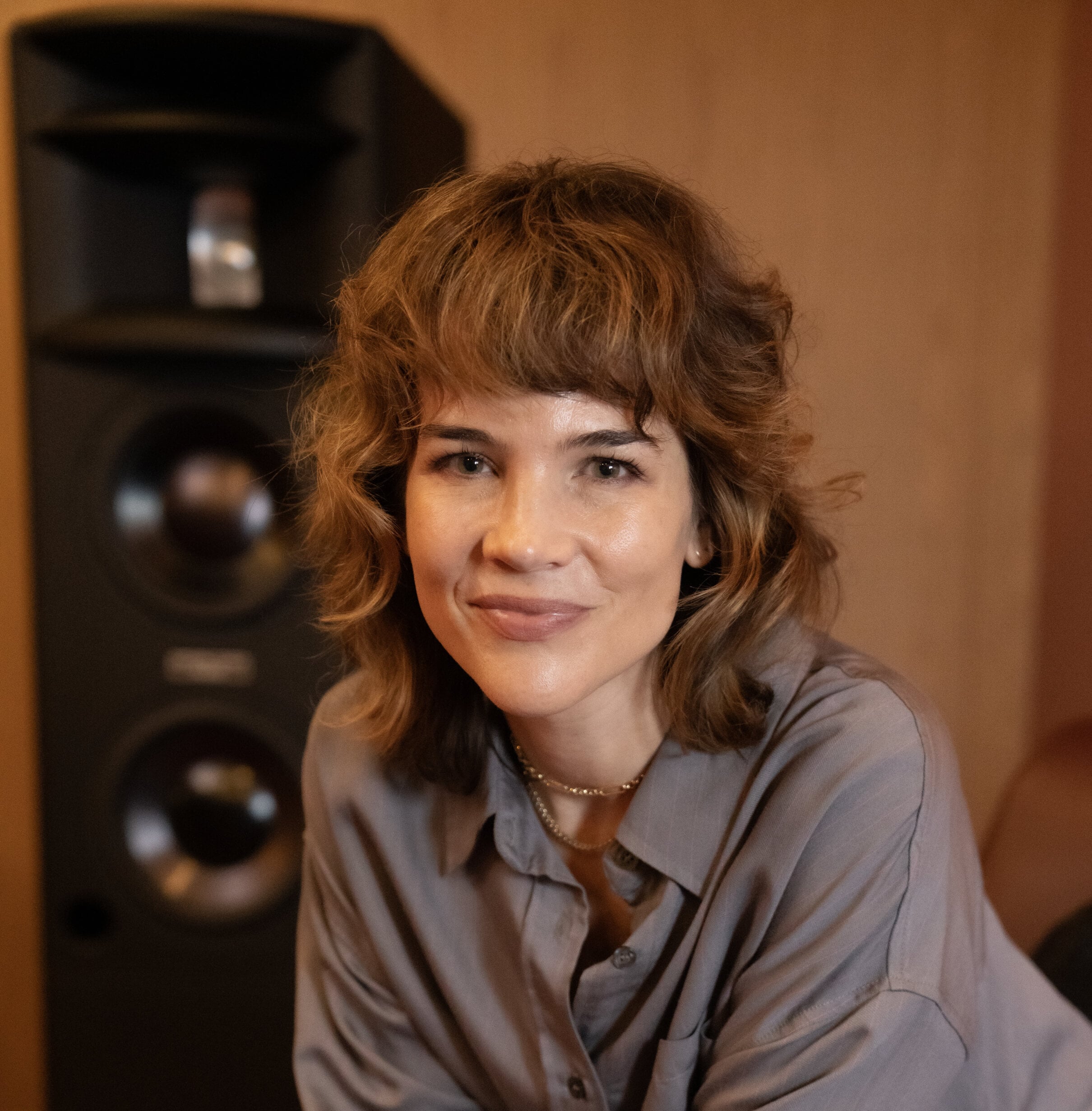
It came down to the people. Will Skalmoski believed in me for years before there was ever a deal to make. After meeting Jon Platt and Katie Welle [pictured], I felt like I was partnering with people who think long-term.
And working with the Cactus Jack team has been exciting. The best partnerships aren’t built on leverage – they’re built on belief.
What are your headline goals over the next few years?
I want to build one of the best production and publishing companies in the world. I want to be one of the defining producers of this era while continuing to grow as an artist.
Anybody can have a hot year. I’m trying to build something people are still talking about 30 years from now.
What single thing would you change about the music industry today?
I’d like to see fewer yes-men. The people who challenge you are usually the people who help you grow. The best records come from honest conversations.
And finally, what advice would you give a producer just starting out today?
First, I would say that everything you consume shapes your taste. Be intentional about what you listen to, what you watch, and who you surround yourself with. Your taste is the one thing nobody can copy; protect it.
Second, being a producer today is about so much more than making beats. The opportunity is to help shape the artist’s direction, build a platform around the work, and create momentum that extends beyond it.
Pharrell, Travis Scott, Metro Boomin, London on da Track, and Jack Antonoff are just a few examples that show the impact that a multifaceted producer can have. They don’t just participate in records, they help create worlds around them.
Kollective Neighbouring Rights is one of the largest and most efficient neighbouring rights agents in the world. KNR navigates a complex and detailed income stream whilst providing clients with unmatched transparency, monthly accounting and flexible statement solutions.Music Business Worldwide